
Editor's Note: This article was originally published on Insider Travel Report.
For years, I have watched destinations struggle to define adventure travel. I have had this conversation myself many times. I would explain adventure travel, and I could see the question still sitting there: “But we aren't really an adventure destination.”
I understand why. For many DMOs, adventure still means climbing a mountain, rafting a river, trekking somewhere remote or participating in a physically demanding activity. Those things are adventure, but they are only part of the story.
The bigger opportunity is understanding that adventure travel is no longer a niche defined by physical activity. It is increasingly about how travelers experience a destination. And that has significant economic implications for destinations.
Adventure is much bigger than adrenaline. There is hard adventure: experiences that are physically demanding, require specialized skills or involve greater levels of endurance. There is also soft adventure: hiking, walking, cycling, diving, wildlife, nature and other active experiences.
But adventure can also be cultural immersion. It can be culinary. It can be faith. It can be wellness. It can be education. It can be a local community experience. It can be a cooking class, a village visit, a cultural exchange or learning a traditional craft. It can be a family vacation, a honeymoon, a solo trip, a multigenerational journey, a group tour or a customized itinerary. A traveler does not have to climb a mountain to be an adventure traveler.

Research by the Adventure Travel Trade Association (ATTA) reflects this changing definition. ATTA estimates that the global outbound “Open to Adventure” market reached $1.16 trillion in 2024, and that 67 percent of international travelers are considered “Open to Adventure.” That is not a niche. It is a significant part of the global tourism economy.
Here is where DMOs need to pay attention: Adventure travel is not simply another product category. It can be an economic strategy. Why? Because local spending is often built into the experience itself.
A hike may require a local guide. A dive requires a local dive operator. A village experience requires local knowledge and community participation. A culinary experience connects travelers with local chefs, farmers, producers and restaurants. A cultural experience depends on people who can share their history, traditions and stories. A journey into a rural area may involve local transportation, accommodation, food and guides. The experience itself creates the economic pathway.
ATTA's 2026 research found that the median seven-night adventure itinerary was valued at approximately $2,250, with about 75 percent of trip spend remaining in the local economy. That is an important number for any DMO thinking about tourism's economic impact.
It means the value of adventure can extend well beyond the hotel. It can reach guides, drivers, restaurants, artisans, community businesses, local operators, farmers and family-owned accommodations. And because these businesses often buy from and employ others within their own communities, the economic impact can continue to circulate locally. That is the multiplier effect DMOs should be paying attention to.
But there is another multiplier that is just as important: people. Adventure tourism can create opportunities for young people to build careers in their own communities rather than feeling they must leave for larger cities to find work. A young person can become a guide, an entrepreneur, a conservationist, a chef, an artisan or an experience creator—and build a future around the place they call home. That can help keep talent in communities, strengthen local economies and, importantly, protect culture.
When people can make a living from sharing their landscape, traditions, stories and knowledge, those things become more than heritage to be preserved. They become living assets with economic value. The traveler may arrive for the experience, but the economic benefit can spread across the destination—and potentially across generations. Adventure can disperse tourism
This is another reason why I believe DMOs should look at adventure differently. Adventure travelers often want to go beyond the obvious. They want to explore. They want to experience nature. They want to meet local people. They want to discover places that feel less familiar.
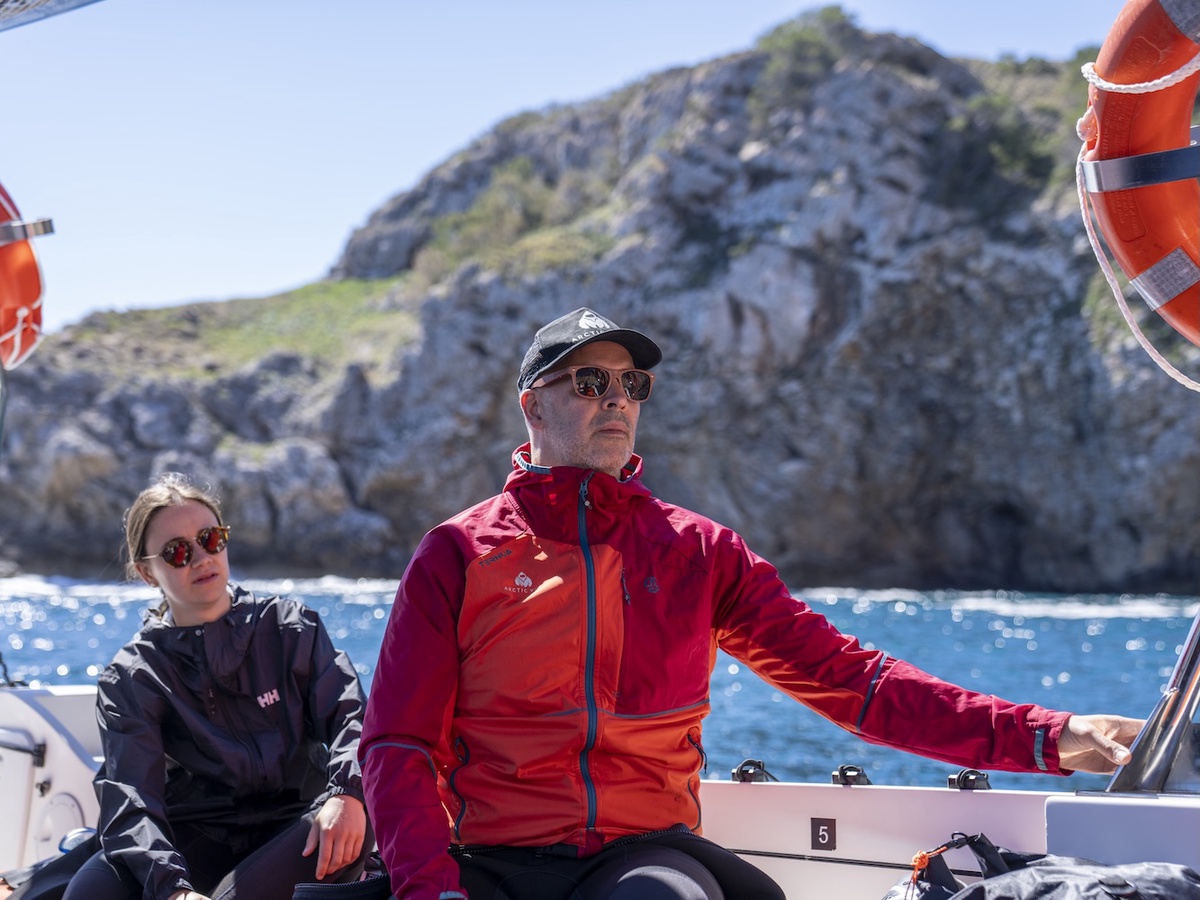
ATTA's latest research shows that travelers continue to prioritize new experiences, cultural connection and off-the-beaten-path exploration. Hiking, culinary experiences, e-bike cycling, cultural experiences and wellness are among the leading activities identified in its 2026 research.
For a destination dealing with overcrowding in one location, this matters. Adventure can create reasons to move beyond the most visited sites. It can create reasons to visit rural areas. It can create reasons to stay longer. It can create reasons to spend money with smaller businesses. And it can give communities that may never compete with a large resort or international hotel chain an opportunity to participate in tourism.
Sustainability is also an economic strategy and is another reason why adventure travel matters. Adventure travelers are often attracted to the very assets a destination needs to protect: its landscapes, wildlife, culture, communities and natural environment. Many are increasingly looking for experiences that are locally rooted, responsible and meaningful. ATTA's research describes sustainability, community well-being, environmental protection and local economic support as important themes across the sector.
That matters economically. A destination's natural and cultural assets are not simply things to preserve. They are also part of the tourism economy. If a destination damages the landscape, overwhelms a community or loses the culture that made an experience distinctive, it ultimately damages the product it is selling.
Adventure can help create a different cycle: Protect the asset. Create the experience. Bring visitors. Keep more spending local. Give communities a reason to participate. Protect it for the next generation. That is not simply sustainability. That is long-term economic strategy.
There is another economic value to adventure that DMOs should not overlook: differentiation. In a world where destinations compete for attention, it is becoming increasingly difficult to stand out by marketing the same basic attractions. Almost every destination with a beach can post a beautiful beach photograph. Almost every destination can show a sunset. Almost every destination can show a hotel pool. And when everyone is showing the same thing, destinations begin to blend together.
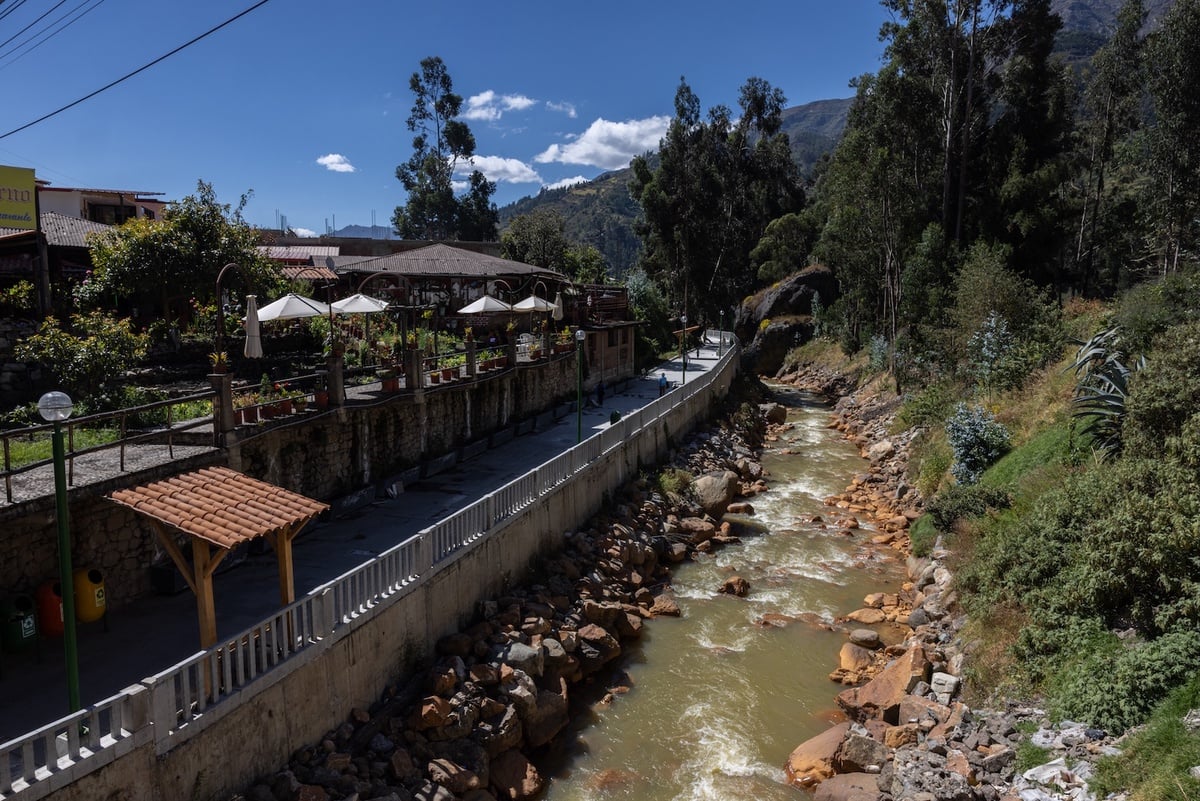
Adventure can change that. It gives a destination an opportunity to show travelers not just what a place looks like, but what it feels like to experience it. A destination's landscape, culture, people, food and communities can become part of an experience that cannot simply be replicated by a competitor. That experience becomes the story. And the story becomes the reason to choose one destination over another.
In an increasingly crowded tourism marketplace, differentiation has economic value. The destinations that can create experiences which are difficult to replicate have a better chance of becoming not simply a place travelers can visit, but a place they feel they must visit.
I have seen this work. I have seen this firsthand. While leading the Jordan Tourism Board, I helped develop Jordan's adventure travel market and position the country as a regional hub for adventure. We hosted ATTA events four times, bringing international buyers together with regional and local suppliers. We also hosted adventure travel media and facilitated meetings between media and the people delivering these experiences.
The ROI was exceptionally strong. The buyer relationships generated business. The media relationships generated stories. And both were connected to local experiences. A guide. A community. A cultural experience. A local restaurant. A hike through an extraordinary landscape. A dive in the Red Sea. A local operator turning an experience into a bookable product.
The lesson for me was not simply about Jordan. It was about what happens when a DMO treats adventure as a market-development strategy rather than a product category.
Jordan did not have to be born as an adventure destination. With product development, trade relationships, media engagement and storytelling, it was possible to build the market and establish Jordan as a trendsetter for adventure travel in the region.
Adventure travel isn't simply something a destination markets. It is something a destination can develop. Are you not an adventure destination? This is the question I would ask every DMO that tells me, “We aren't an adventure market.”
Before deciding that, look at what your visitors are doing. Are they hiking? Cycling? Walking? Exploring nature? Eating local food? Visiting communities? Learning about your culture? Taking wellness experiences? Diving? Exploring rural areas? Meeting local people? Seeking experiences that connect them more deeply to your destination?
If the answer to many of those questions is yes, you may already be participating in the adventure economy. You may simply not be calling it adventure. And that may mean you are missing an opportunity.
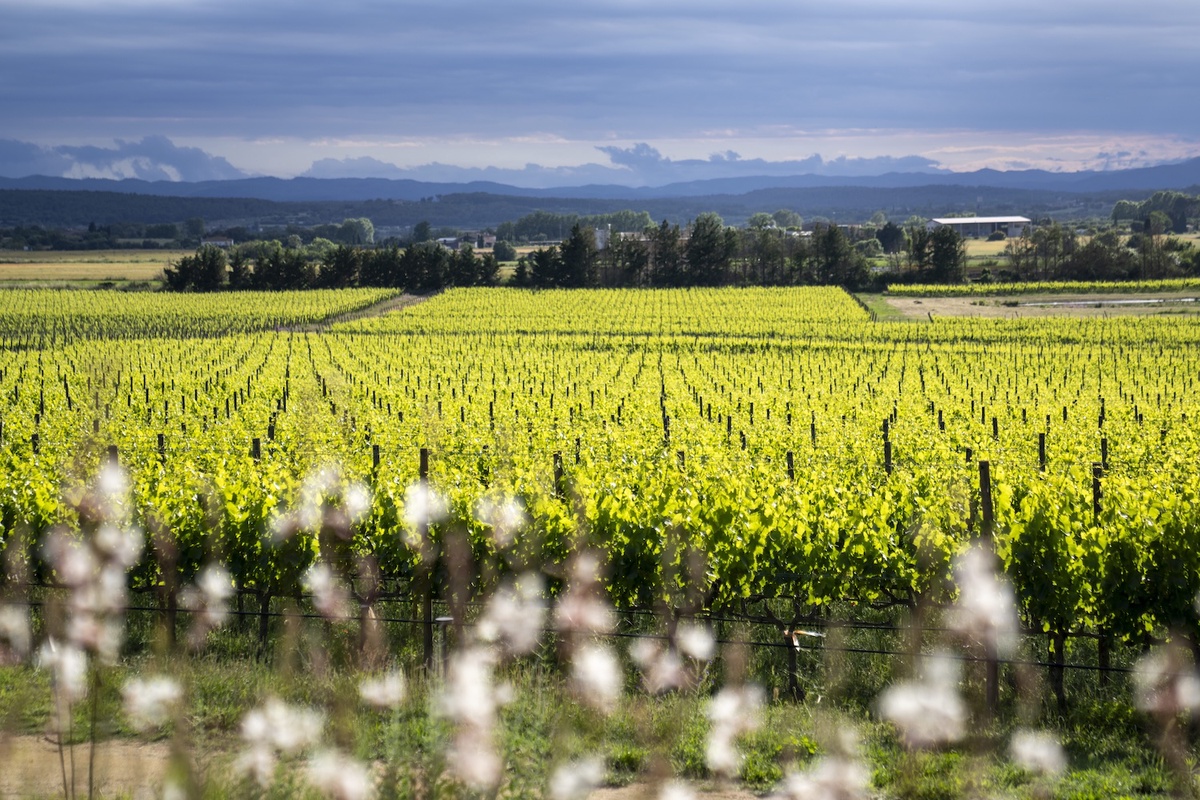
DMOs, look again. Adventure travel is not a niche market reserved for a small group of highly athletic travelers. It is a broad and growing market. It can generate significant economic value. It can put more tourism spending into local communities. It can help disperse visitors. It can create opportunities for young people. It can help protect culture and the natural assets that make a destination distinctive. It can create reasons to stay longer. And it can create experiences and stories that differentiate a destination from its competitors.
Most importantly, adventure can connect many of the tourism categories that DMOs already invest in—nature, culture, culinary, wellness, community, education and experiential travel. So, the next time someone asks whether your destination is an adventure destination, perhaps don't ask whether you have mountains, rapids or adrenaline.
Ask something else: How much of what our visitors already want to experience is adventure? You may be surprised by the answer. Adventure travel is not the entire tourism economy. But it may be one of the most effective ways to connect the pieces of it. It isn't a niche. It is an economic strategy.
Malia Asfour is co-founder of Imagine It Tourism Group, a tourism advisory company built on more than three decades of experience in destination development, meaningful travel, and global tourism strategy. Her work has always centered on the belief that tourism is ultimately about people, the communities that welcome visitors, the travelers who seek connection, and the individuals who bring experiences to life. She founded the Jordan Tourism Board North America and served as its managing director for more than 30 years, building one of the most respected destination offices in the region and helping position Jordan as a leading global tourism destination. Today, she continues to shape the future of tourism through her work as a board member of the Adventure Travel Trade Association and Tourism Cares, where she previously served as Immediate Past Chair. Recognized as a destination strategist and advocate for meaningful travel, Malia brings a unique perspective on how tourism can create economic opportunity, strengthen communities, and become a true Force for Good. For more information about Malia and Imagine It Tourism Group, visit www.imagineittourism.com.