
Japan has long been one of Asia’s most dependable outbound markets. Before 2020, more than 20 million Japanese travelers departed annually for destinations ranging from Europe’s cultural capitals to North America’s national parks and Africa’s safari landscapes. Today, the market is moving again, but cautiously, selectively, and with recalibrated expectations.
“After COVID, the Japanese overseas travel market has been very slow to bounce back to what it was,” said Naohiro Fukawa of Indigo Destinations during a recent virtual AdventureCONNECT about Japanese outbound travelers hosted by the Adventure Travel Trade Association (ATTA). “The record high was in 2019, just before COVID, which marked a little over 20 million Japanese departures per year. Last year it came back to almost 15 million. I think the Japanese overseas travel market has come to a tipping point, a very big transition point.”
Data from ATTA’s recent Adventure Travel Market Sizing: Asia report reinforces just how distinct the Japanese outbound traveler is within the region. Japan stands out as the most culturally focused market in Asia, with a significantly higher share of Cultural Explorers (38%) and comparatively low interest in purely nature- (3%) or adrenaline-driven (14%) travel.

Adventure for this audience is less about risk and more about enrichment: travelers prioritize iconic sites, cultural immersion, and passion-driven experiences, all within a framework of safety, structure, and comfort. Notably, the research also highlights a uniquely cautious outlook, with a meaningful portion of Japanese travelers indicating they may stay domestic in the near term—underscoring that while demand exists, confidence and timing remain critical factors in the market’s continued recovery.
ATTA members logged into the HUB can watch the full webinar recording here.
A Recovery Shaped by Economics
One of the most significant headwinds is currency pressure. The historically weak yen has dramatically changed the affordability of international travel.
“The Japanese yen is so weak, especially after the pandemic,” noted Ken Serizawa of Alpine Tour Service Co., Ltd., an outbound tour operator. “Before, it was 100 yen to the dollar, but now it’s 160 yen. To create products at the correct rate in Japanese yen is almost like double. It’s very hard to develop the market.”
This shift has reshaped consumer behavior. Japanese travelers are not abandoning overseas travel, but they are traveling more deliberately. They may travel less frequently, but they are prioritizing longer stays, higher-quality experiences, and trips that feel worth the investment.
The result is a market focused less on price alone and more on value, which is defined as quality, clarity, and meaningful differentiation.
Who Is Traveling First?
The recovery is being led by older and financially secure travelers. Retirees and affluent consumers with savings and schedule flexibility are among the first to return to long-haul destinations. They are seeking comfort, reliability, and cultural depth, and they expect seamless organization.
At the same time, special-interest travelers are driving demand. Rather than large-scale coach tours, growth is strongest among those with clear motivations: hiking enthusiasts, cultural explorers, culinary travelers, photographers, and educational groups.
For the adventure travel industry, this is an important signal. Japanese travelers may not always use the word “adventure,” but many are actively seeking immersive, experience-driven travel.
“People are now understanding that adventure travel does not necessarily mean something extremely risky,” said Serizawa. “It is no longer seen simply as adventure travel, but rather as a meaningful and immersive way of traveling.”
That reframing creates opportunity, particularly for operators offering soft adventure aligned with cultural storytelling and nature-based exploration.
Cultural Depth and Nature Lead Motivations
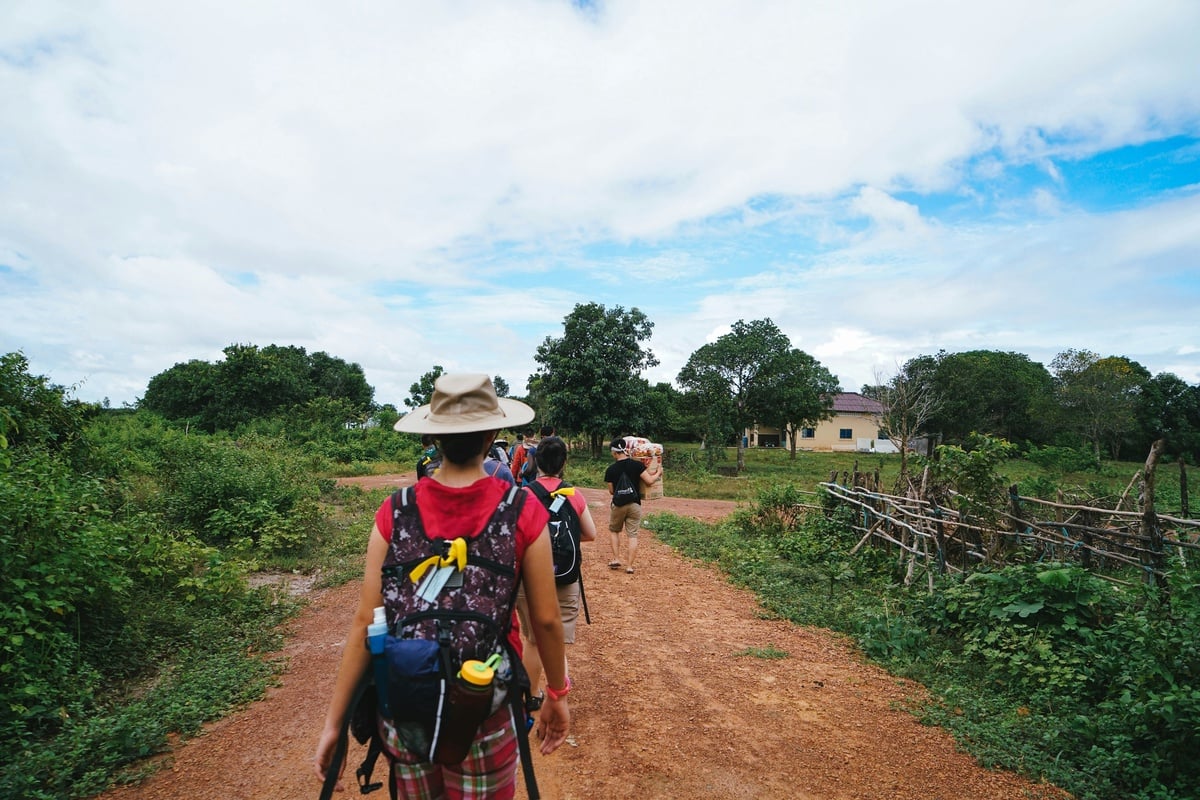
Cultural immersion remains central to Japanese outbound travel. History, heritage, art, architecture, and food consistently rank among top motivations. Travelers are looking for authenticity, but also for context. Interpretation and expert guiding matter deeply.
Nature is equally compelling. Japan’s own strong outdoor culture translates into strong interest in national parks, iconic landscapes, wildlife viewing, and seasonal beauty abroad. However, risk tolerance tends to be moderate. Guided hiking, scenic cycling, wildlife safaris, and well-structured active itineraries generally resonate more strongly than high-adrenaline pursuits.
Safety perception remains a primary filter in destination choice. Clear itineraries, visible logistics planning, and transparent communication build trust. For this market, trust is not a marketing add-on, it is foundational.
Booking Behavior Is Shifting
Traditional travel agencies continue to play an important role, especially among older travelers. However, the outbound ecosystem has changed. Staffing shortages have reduced product diversity among major agencies, while niche and specialist operators are gaining attention.
At the same time, independent research is growing. Younger demographics increasingly rely on social media, blogs, and digital content for inspiration. Even so, Japanese travelers, both independent or agency-booked, tend to favor structure: detailed written information, transparent pricing, and clearly defined schedules. Spontaneity is less common than in some Western markets; clarity and predictability remain competitive advantages.
Smaller Groups, Greater Personalization
Pre-pandemic outbound travel often relied on large coach-based tours. Today, there is increasing interest in smaller groups, private journeys, and multi-generational family trips.
Adventure operators structured around small-group departures are well positioned, particularly when experiences emphasize enrichment, learning, and local engagement over speed or checklist-style touring.
Communicating with Confidence
Communication standards are high. Japanese travelers expect detailed pre-departure materials, punctuality, professional guiding, and well-organized daily schedules. Even as English proficiency improves among younger travelers, Japanese-language materials significantly increase booking confidence.
Clear safety documentation, transparent cancellation policies, and thoughtfully structured itineraries are not optional in this market, they are expected.
Sustainability messaging also resonates, particularly when framed around preserving nature, respecting local culture, and ensuring long-term stewardship rather than overt activism.
A Strategic Long-Term Market
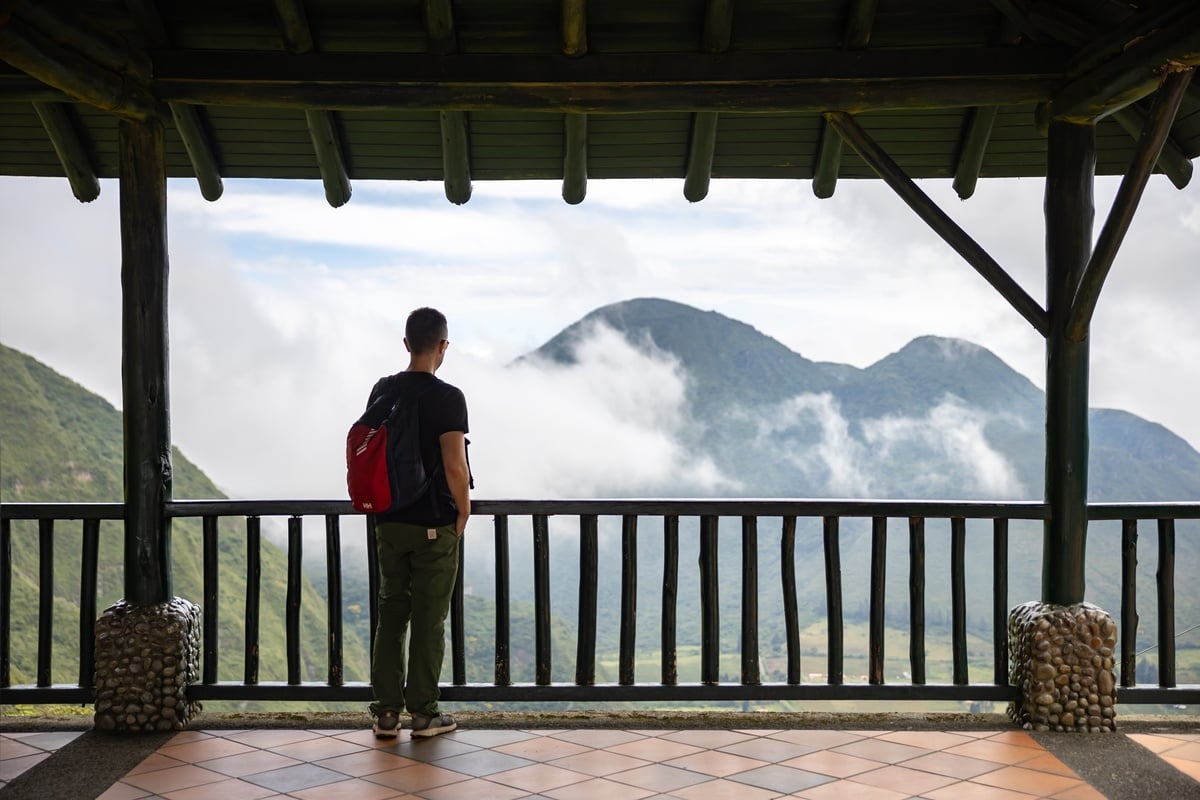
Japan’s outbound recovery may continue to be gradual, influenced by exchange rates and broader economic conditions. But it remains a large, sophisticated, and historically loyal market. As Fukawa suggested, the industry is at a tipping point. The Japanese outbound traveler is not disappearing, but expectations are evolving.
For adventure travel businesses willing to emphasize clarity over hype, enrichment over adrenaline, and long-term relationship-building over short-term sales, Japan represents more than a rebounding market. It represents a strategic one. The destinations and operators that invest now in understanding this shift and earning trust will be best positioned when Japanese outbound numbers climb again.
To learn more about how to reach Japanese outbound travel buyers, contact ATTA’s Asia-Pacific team.
ATTA members logged into the HUB can watch the full webinar recording here.