
Leaders from more than 20 adventure travel associations across six continents convened virtually in late January for the first-ever Global Associations for Adventure Travel Meeting, marking a new chapter in how the Adventure Travel Trade Association (ATTA) engages with national and regional partners worldwide. The meeting brought together representatives from Africa, Europe, Latin America, North America, and the Asia-Pacific region to align priorities, share challenges, and explore practical ways to strengthen the adventure travel sector through collective action.
Opening the session, ATTA CEO Shannon Stowell emphasized the organization’s long-standing philosophy: local associations come first. “If a company can only afford one association’s membership dues, it should be its local one first,” Stowell said, underscoring ATTA’s role as a supportive global connector rather than a competitor to national bodies . He reiterated ATTA’s commitment to helping associations amplify their voices—particularly when engaging governments on environmental protection, sustainability, and industry development—while relying on those same associations to help knit together a truly global adventure travel community.
The meeting also served as a platform to introduce ATTA’s 2026 leadership structure, with Gustavo Timo stepping into the role of President to oversee day-to-day operations, alongside Jessica Inge as Vice President of Operations and Strategy and Nicolas Caram as Vice President of Destination and Business Development. While 2025 was widely acknowledged as a difficult year—particularly following the sudden loss of USAID funding for destination development projects—both Stowell and Timo expressed cautious optimism for 2026, citing renewed momentum and stronger global engagement.
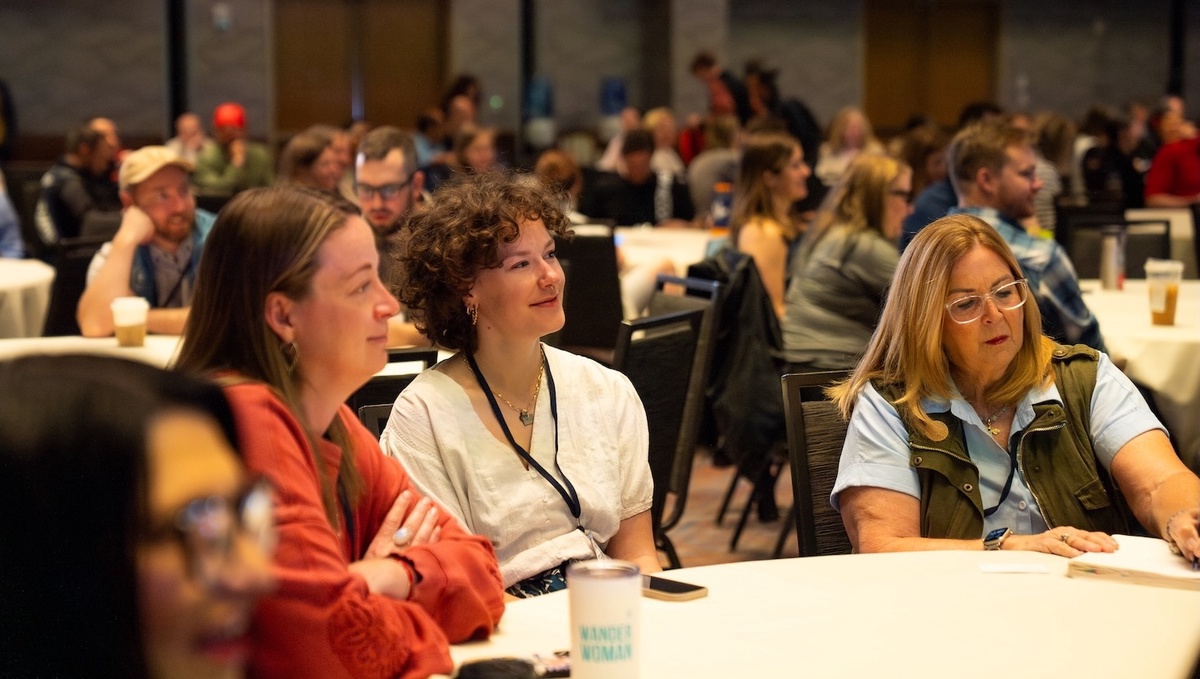
At the core of the discussion was a push for more intentional, structured collaboration among associations. Timo framed the initiative as a shift toward regular global touchpoints, proposing quarterly or biannual meetings to share insights, align strategies, and respond collectively to emerging challenges. This approach, he noted, recognizes the shared realities facing associations everywhere: limited resources, increasing regulatory pressure, climate-related disruptions, and the ongoing need to demonstrate the economic and social value of adventure travel, which has a significantly lower economic leakage than mass travel, benefitting destinations and local companies.
A major focus of the meeting was research and sector intelligence. ATTA unveiled a new public-facing platform showcasing six years of historical Trends & Insights data, allowing users to track changes in staffing, guest numbers, and business performance over time. The tool, launched during the meeting, is intended to support policy advocacy, destination planning, and more informed decision-making across the sector.
The conversation also highlighted emerging priorities, including the elevation of Indigenous tourism, safety and standards development, and crisis communication in the face of climate events and geopolitical instability. Several speakers stressed the need for more nuanced data on Indigenous-owned adventure businesses and for unified messaging during crises to prevent unnecessary cancellations that disproportionately affect small, community-based operators.
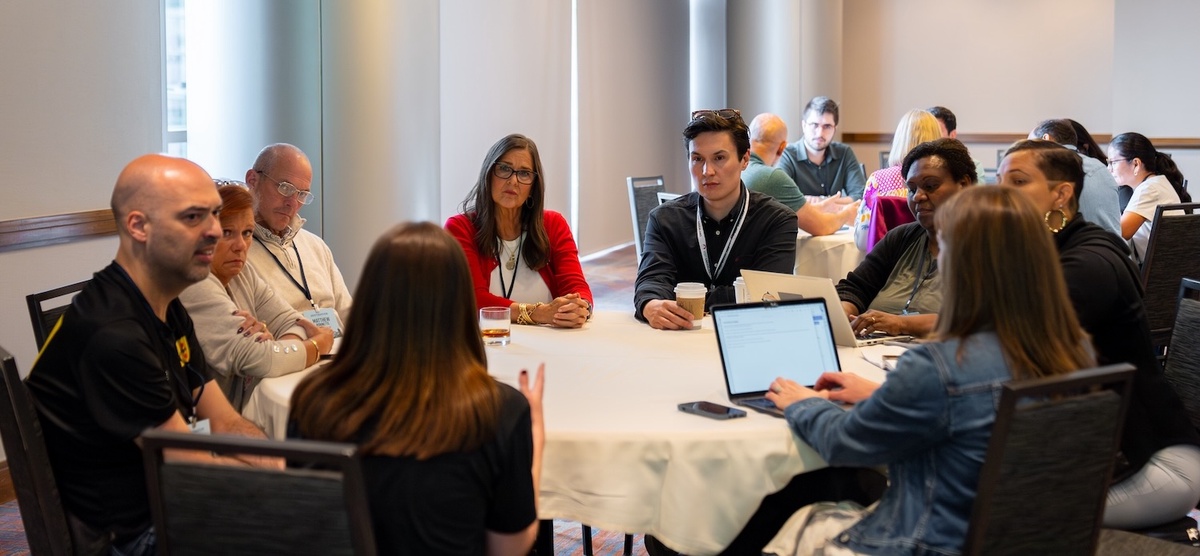
Looking ahead, ATTA outlined multiple opportunities for continued collaboration through 2026, including joint AdventureCONNECT networking events, dedicated association sessions at regional AdventureELEVATE conferences, and shared participation at major trade shows such as ITB Berlin, ITB China, and WTM Latin America and London. Members of the association partner program share in the benefits of ATTA member-priced event tickets, delivering a win-win for all parties involved.
Closing the meeting, Stowell reflected on the broader significance of the gathering. While ATTA brings global reach, he noted, associations bring depth—local knowledge, cultural context, and on-the-ground leadership. “Together, that depth and breadth is what allows this industry to keep doing the right thing,” he said, pointing to the sector’s long-standing commitment to sustainability, community benefit, and responsible growth.
As the adventure travel industry navigates another year of uncertainty and opportunity, the inaugural Global Associations for Adventure Travel Meeting signaled a clear intent: a more coordinated, collaborative, and data-informed future for adventure travel worldwide.