
From Scotland’s dark sky reserves to Ireland’s Atlantic coast, discover some of the finest destinations for astro tourism.
As light pollution dims the night sky for much of the world’s population, the Wilderness Group—comprising award-winning brands Wilderness Scotland, Wilderness Ireland, and Wilderness England—is highlighting the exceptional stargazing opportunities across its destinations, where some of Europe’s darkest skies remain unspoiled.
In addition to prime aurora watching in the North, the upcoming August 12th solar eclipse will be visible across parts of the UK and Ireland with significant coverage expected—over 90% in some areas—and the annual Perseid meteor shower peaking around the same time. Together, these celestial events create a rare convergence, offering travelers the chance to witness multiple night sky phenomena in a single journey—whether tracing constellations, spotting satellites, or simply experiencing the profound stillness that comes with truly dark skies.
Scotland: A World-Class Stargazing Destination
Scotland boasts some of the most accessible dark skies in the region, with officially designated reserves and discovery sites scattered across the Highlands and islands.
Tomintoul and Glenlivet in Cairngorms National Park was designated a Dark Sky Park in 2018, making it Scotland’s most northerly. The surrounding mountains create a natural shield from light pollution, producing exceptionally clear conditions where the Milky Way stretches vividly across the sky. On crisp nights, distant galaxies and star clusters become visible to the naked eye, while the silence of the Highlands deepens the sense of connection to the cosmos.
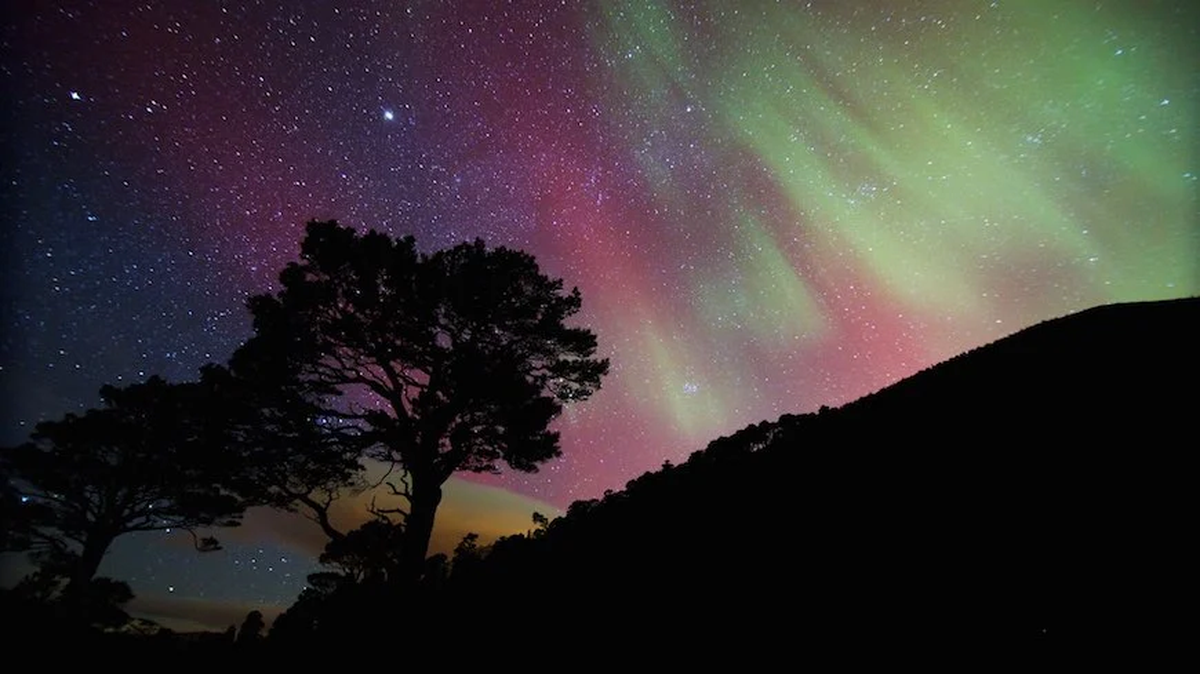
Galloway Forest Park in southwest Scotland became the UK’s first Dark Sky Park in 2009 and remains one of the finest. With a Gold Tier rating from DarkSky International, it offers some of the darkest skies in Europe. Here, the absence of artificial light allows for extraordinary clarity—visitors can trace the dense star fields of the Milky Way, follow meteor trails streaking across the sky, and even detect the faint glow of the Andromeda Galaxy without a telescope. Stargazing here is not just about observation, but immersion—standing beneath a sky that feels vast, textured, and alive.
Ireland: Atlantic Skies and Ancient Landscapes
Ireland’s western coast, facing the Atlantic Ocean and with minimal light interference, hosts two exceptional dark sky reserves where land, sea, and sky converge.
Kerry Dark Sky Reserve on the Iveragh Peninsula holds Gold Tier status—one of only a handful worldwide. Along the rugged coastline, the horizon dissolves into darkness, creating uninterrupted views of the night sky. The rhythmic sound of the Atlantic below adds to the experience, as thousands of stars emerge overhead, revealing constellations often obscured in more developed regions. On especially clear nights, the zodiacal light—a faint glow caused by sunlight scattering off interplanetary dust—can sometimes be seen rising before dawn.
The Mayo Dark Sky Park, located in a remote region of County Mayo, offers similarly pristine conditions. Its Atlantic-facing position and sparse population make it ideal for observing celestial events, from meteor showers to the northern lights. The aurora borealis, when visible, paints shifting ribbons of green and purple across the sky, transforming the landscape into something almost otherworldly. Even without rare phenomena, the sheer density of visible stars creates a powerful reminder of the scale of the universe.
England: Unexpected Darkness in the North
England’s most densely populated landscapes give way to surprising pockets of true darkness in its northern reaches.
Northumberland Dark Sky Park, spanning nearly 1,500 sq. km, holds Gold Tier status—making it the largest area of protected night sky in Europe. Here, expansive skies stretch above rolling hills and ancient landmarks, offering a striking contrast between human history and cosmic time. Stargazers can follow the arc of the Milky Way from horizon to horizon, observe planets with unusual brightness, and experience a level of darkness rarely found in England.
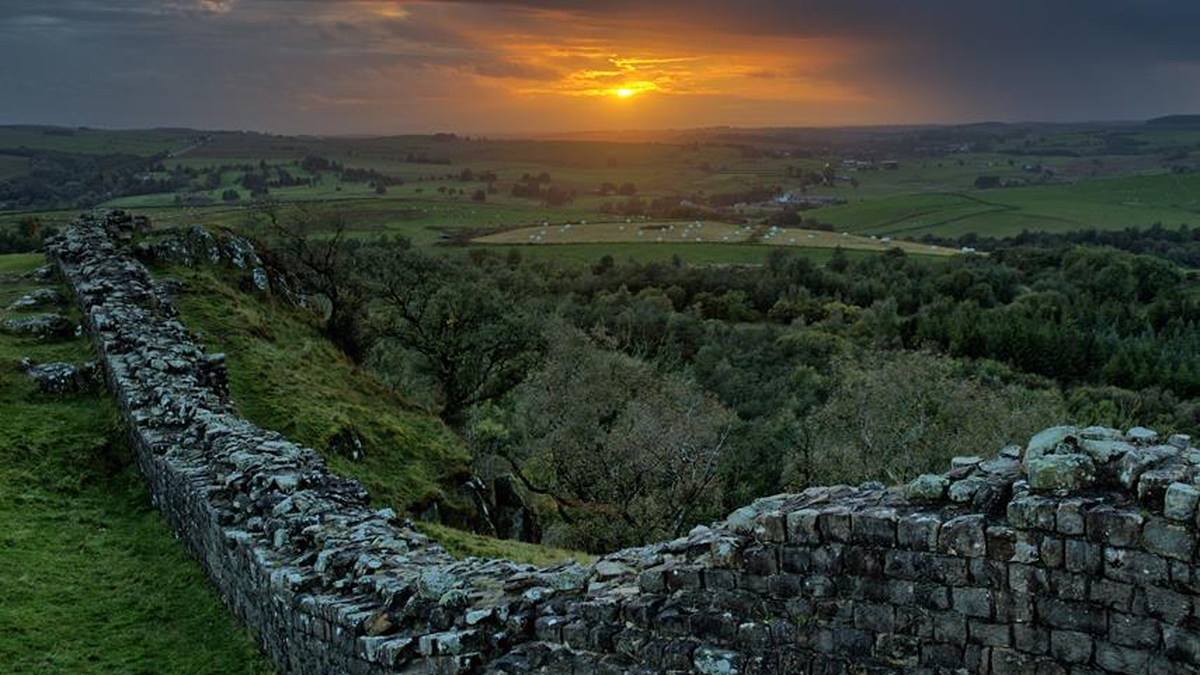
Yorkshire Dales National Park, designated a Dark Sky Reserve in 2020, offers similarly impressive conditions. Vast open landscapes free from local light pollution provide ideal settings for slow, contemplative stargazing. As daylight fades, the transition into darkness reveals layer upon layer of stars, encouraging visitors to linger longer, allowing their eyes—and perspective—to adjust.
As interest in astro tourism continues to rise, these destinations offer access to some of the UK and Ireland’s most pristine night skies. Beyond major celestial events, they invite a deeper experience: slowing down, looking up, and reconnecting with a sense of wonder that is increasingly rare in the modern world. From meteor showers and aurora borealis to the quiet brilliance of distant stars, the night sky becomes not just something to see, but something to feel.
About the Wilderness Group
Wilderness Scotland, established in 2001, is rated Europe’s No.1 Rated Adventure Travel Company by National Geographic and is Scotland’s only five-star accredited adventure tour operator. In 2012, its outpost Wilderness Ireland was launched, and the launch of Wilderness England followed in 2020. Offering an unrivalled range of small-group departures, self-guided trips and custom vacations, Wilderness Scotland, Wilderness Ireland, and Wilderness England lead the way in active and nature-based travel to the remote and wild corners of Scotland, Wales, Ireland, and England. Popular outdoor experiences include hiking, road cycling, E-biking, and kayaking. Wildlife, culture & heritage, wilderness retreats, photography, and sailing adventures are also available. For more information, visit www.wildernessscotland.com.