
Experiencing a place through someone else's eyes can be special.
For grandparents, a trip to Yellowstone might be a chance to visit somewhere they've always wanted to go. For grandchildren, it could mean seeing a geyser erupt or spotting a bison for the first time. And for parents, it's a chance to enjoy those moments together as a family.
More families are seeking out these shared experiences, and the shift is changing how they approach travel.
According to Road Scholar’s multigenerational travel research, more than 57% of survey respondents have already taken a trip with multiple generations of their family. More than half are also open to, or actively considering, another trip within the next year.
The research shows families are looking for more than just a relaxing vacation. They want to visit new places, try new things, and spend meaningful time together.
For the adventure travel industry, this shift is highlighting wildlife encounters, national parks, cultural immersion, and educational adventures that appeal to travelers of all ages.
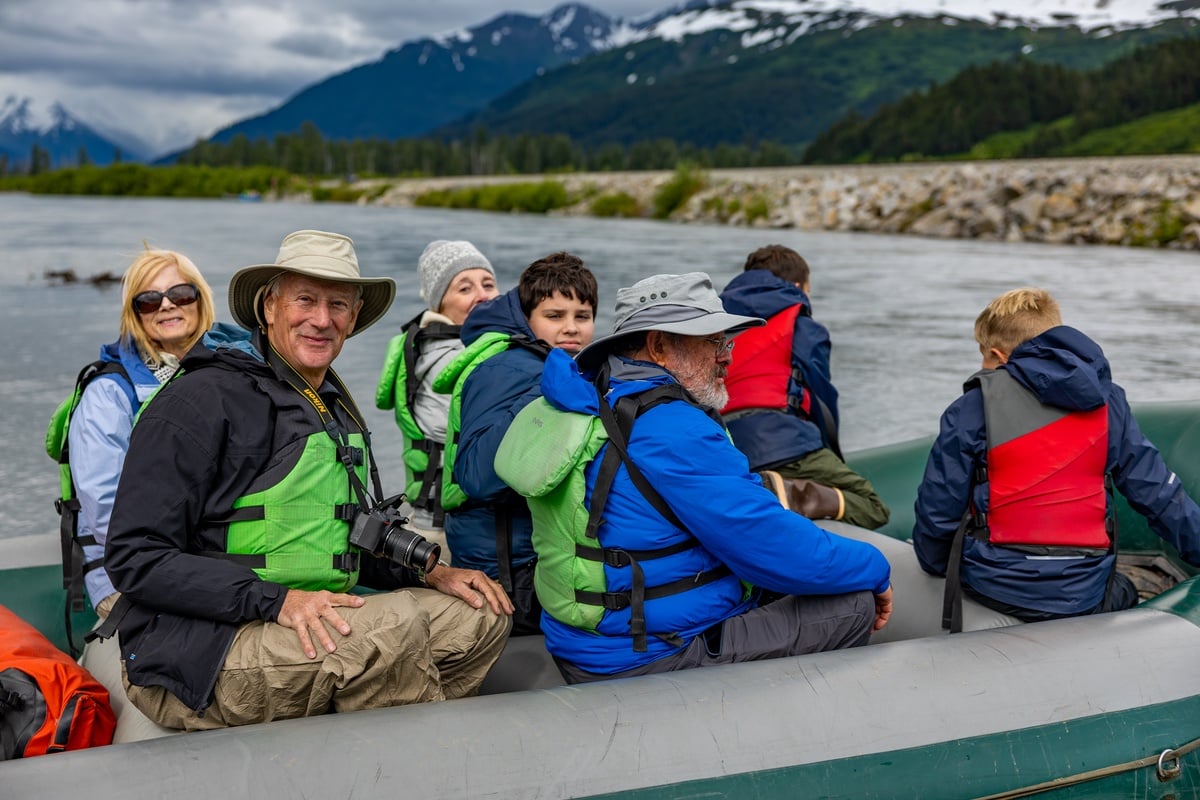
What's Behind the Rise in Multigenerational Travel?
A family reunion doesn't have to happen around a dinner table. Increasingly, families are choosing to reconnect while exploring unfamiliar places, learning new skills, or experiencing nature together.
With work, school, and other commitments making extended family time hard to arrange, travel offers a chance to step away from everyday routines.
But spending time together isn't the only motivation. What families do during that time matters just as much.
Road Scholar's research found that emotional connection ranked higher than relaxation among respondents, with a 17.5-percentage-point difference between the two priorities. The survey also revealed a preference for sharing memories and spending quality time together over simply visiting bucket-list destinations.
The findings suggest that the value of multigenerational family travel is increasingly tied to the experiences relatives share rather than the number of attractions they visit.
Imagine three generations exploring a rainforest in Costa Rica. A child spots a sloth resting in the canopy, prompting the family's guide to explain how the animal survives in its environment. A grandparent asks about the surrounding ecosystem, and the conversation continues long after the walk ends.
It's the kind of interaction that rarely needs planning. The experience itself brings everyone into the conversation.
Travel also offers opportunities for generations to learn from one another. Grandparents can share their experiences and perspectives, while younger travelers introduce different questions and interests.
As families seek more of these moments, destinations and travel providers are looking beyond traditional family vacations.
What the Data Tells Us About Multigenerational Travel
Road Scholar's survey reveals that families aren't necessarily looking for the easiest or most familiar vacation. They want experiences worth sharing, but they also recognize the challenges of traveling with different generations.
When choosing a multigenerational travel program, 37.7% of respondents ranked activities suitable for all ages as their top priority. Another 19.1% prioritized accessibility for travelers with different mobility levels. These preferences help explain why guided, organized experiences can appeal.
Nearly 70% of respondents preferred all-inclusive programs combining accommodations, meals, and guided educational activities. More than 48% favored organized programs that offer unique, memorable family experiences.
For families traveling with grandparents and young children, coordinating transportation, accommodations, and excursions can quickly get complicated. Having those arrangements handled allows everyone to spend more time enjoying the destination. Still, families want some independence.
The survey found that 44.4% preferred private trips exclusively for their family, while 31.5% favored a combination of private family time and shared group experiences.
Taken together, the findings show that travelers value a balance of structure and flexibility. They want local expertise and organized activities without losing the freedom to spend time together on their own terms.
That balance is particularly important in adventure travel, where destinations can offer everything from leisurely nature walks to physically demanding excursions.
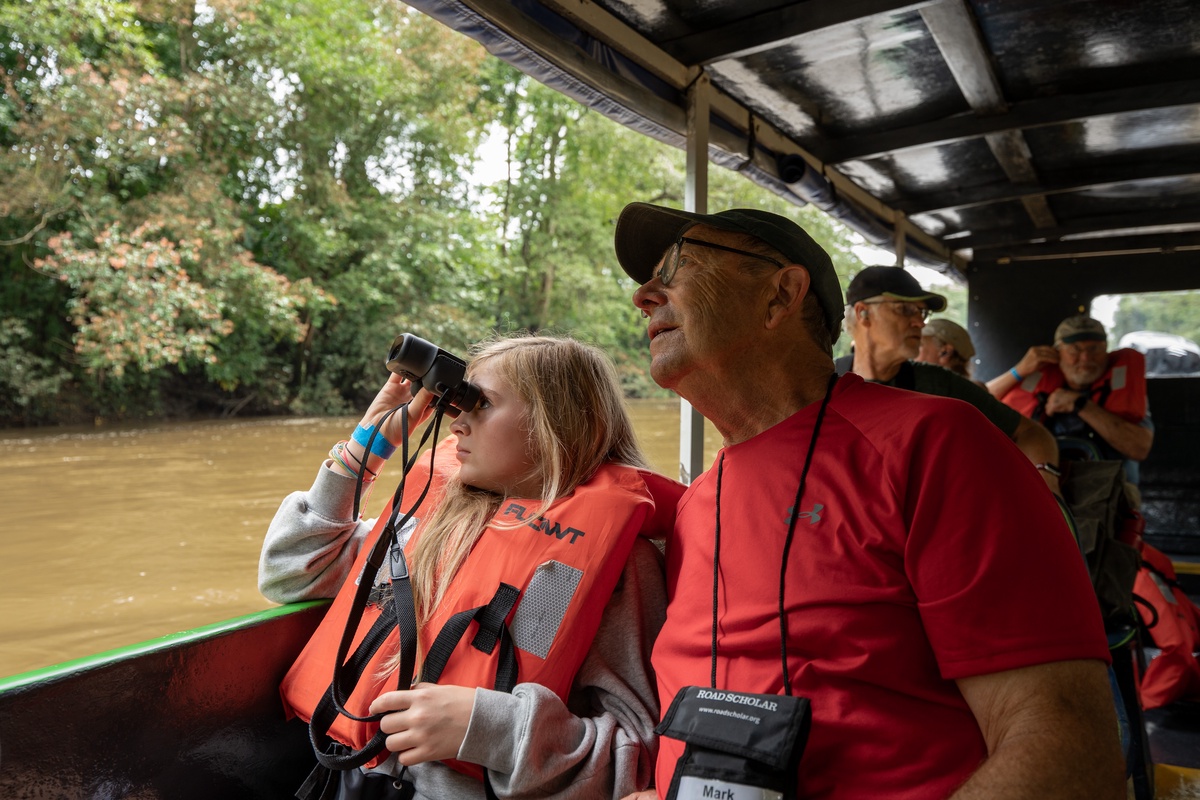
Families Want More Than Sightseeing
One of the most revealing findings from Road Scholar's research concerns the importance of learning. The survey found that 75.6% of respondents considered unique learning opportunities equally or more important than sightseeing. Rather than simply visiting landmarks, families want to understand the places they're exploring.
A guided tour of an ancient city can help families learn about its history, while a cooking class offers a chance to try local recipes and learn about regional traditions. Visiting a conservation project can also teach travelers about local wildlife and the efforts to protect it.
These activities give families a chance to learn something new together. For example, a child might enjoy exploring tidal pools with a naturalist, while a grandparent is more interested in the area's environmental history. Both can enjoy the same experience for different reasons.
Local guides, historians, and wildlife experts also play an important role in educational travel. Their knowledge helps families better understand the places they visit and learn things they might otherwise miss.
For destinations with strong cultural and natural attractions, educational programming offers another way to engage families who want deeper connections to the places they visit.
Adventure and Nature Are Part of the Appeal
While families are interested in a variety of experiences, nature stands out.
According to Road Scholar's findings, 44.8% of respondents selected wildlife and national park adventures as their preferred multigenerational travel experience.
Nearly 20% preferred exploring a city's history, art, and culture, while other respondents expressed interest in educational cruises, culinary experiences, and science-focused programs. The appeal of wildlife and national parks is easy to understand. Natural environments offer discovery opportunities that can engage travelers of almost any age.
In Yellowstone National Park, families can explore geothermal landscapes, observe wildlife, and learn about the forces that continue to shape the region. At the Grand Canyon, scenic viewpoints and ranger-led programs provide different ways to experience the landscape.
Further afield, Costa Rica's rainforests introduce families to tropical wildlife and ecosystems, while guided nature excursions can offer insights into local conservation efforts. These environments also allow families to experience adventure at different levels.
Some may prefer a gentle interpretive walk, while others might enjoy a longer hike or a more physically active excursion. The opportunity to choose how to explore makes outdoor destinations particularly appealing to multigenerational groups.
Wildlife encounters can also encourage conversations about conservation and responsible tourism, introducing younger generations to environmental issues through firsthand experiences.
Rather than focusing exclusively on physical challenges, multigenerational adventure trips can emphasize curiosity, exploration, and opportunities to engage with the natural world.
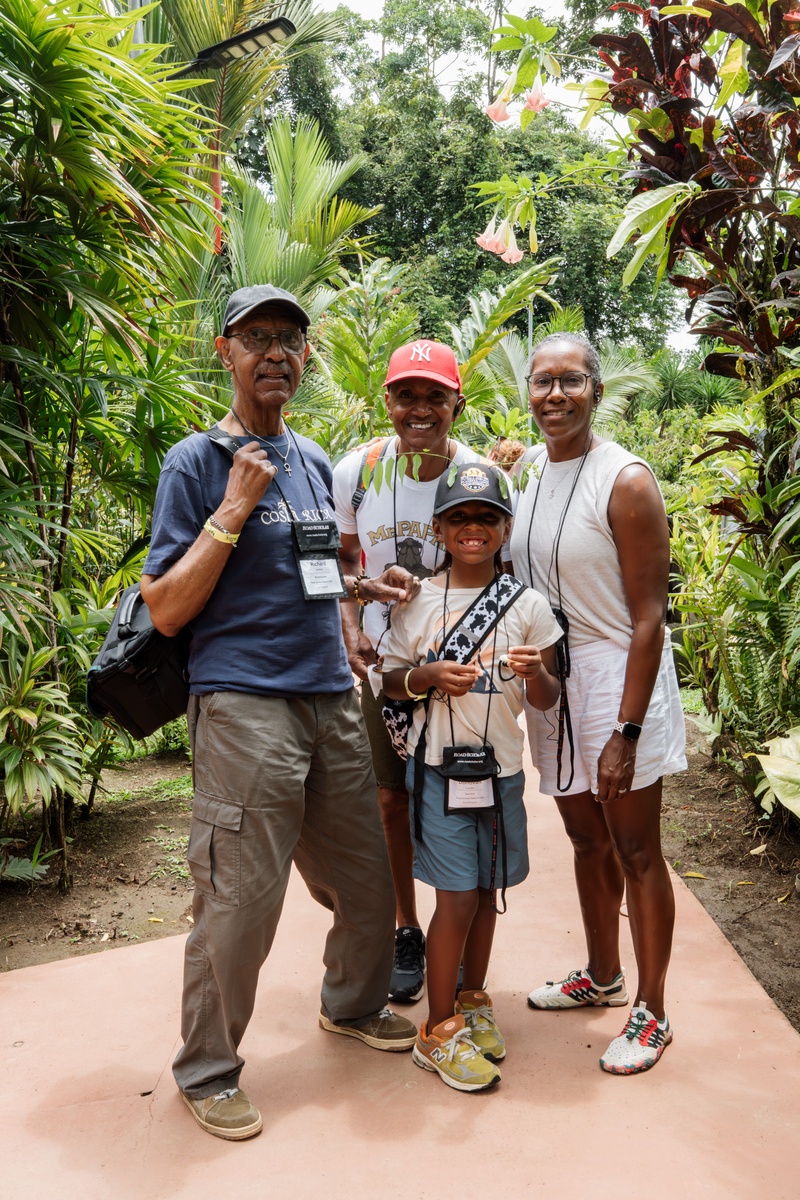
What Multigenerational Travel Looks Like in Practice
The growing interest in shared discovery is opening up a wider range of possibilities for family adventures. National parks are an obvious starting point, but they're not the only option.
In Japan, a family could explore historic temples, participate in traditional craft workshops, and discover regional food cultures. Different generations may be drawn to different aspects of the experience, but the activities still offer opportunities to learn together.
Italy offers a similar mix of cultural discovery and outdoor exploration, from Rome's archaeological sites to walking excursions through Tuscany.
These destinations also feature prominently in Road Scholar's survey. Respondents selected Italy as the most popular international destination (39%), followed by the United Kingdom (25%). Japan attracted 15.1%, Costa Rica 12.3%, and Greece 8.6%.
The range of destinations suggests that families aren't limiting their adventures to one type of landscape or activity.
Some might be drawn to cultural experiences, such as meeting local artisans or learning traditional cooking methods. Others may prefer wildlife observation, guided hikes, or marine conservation programs.
Active adventures can also be adapted to different ages and abilities. Guided kayaking excursions, cycling routes, and nature walks may offer options that let family members participate at their own comfort level. The important consideration is how these activities fit together.
An itinerary that offers a challenging morning hike for some travelers and a shorter guided nature excursion for others lets everyone experience the same destination without following the same schedule.
Families can then reconnect over a meal or another shared activity, bringing their individual experiences into the conversation. This flexibility is becoming an important part of how multigenerational travel experiences are designed.
It's also changing the definition of adventure. A trip doesn't have to involve extreme physical activity to feel adventurous. Exploring an unfamiliar culture, encountering wildlife in its natural habitat, or learning a new skill can be just as memorable.
Why Multigenerational Travel Has Staying Power
The interest in multigenerational travel reflects a broader shift in what families want from their vacations.
Road Scholar's findings show that travelers value opportunities to connect, learn, and create shared, memorable experiences. Strong interest in wildlife and national parks suggests outdoor adventures can provide a natural setting for these experiences, while preferences for organized programs highlight the importance of convenience and accessibility.
The trend also gives adventure travel providers a reason to reconsider how they design family experiences.
Accommodating different ages is only part of the picture. Trips that bring generations together through shared learning, local connections, and meaningful activities may have the greatest appeal.
And while destinations vary, the motivation often stays the same. A grandparent and grandchild might remember different details from a wildlife encounter or cultural excursion. Years later, however, they'll still share the story of experiencing it together.
That's what gives multigenerational travel its lasting appeal. Beyond the landscapes, landmarks, and activities, these journeys give families chances to discover the world and one another in ways everyday life rarely allows.