
Let me tell you something about preconceived ideas. I’ve had them. You’ve had them. We’ve all sat with a version of a place — assembled from headlines, from half-watched news segments, from the well-meaning warnings of people who have also never been — and decided, quietly, that we know. We’ve done the work. We’re informed.
We’re not.
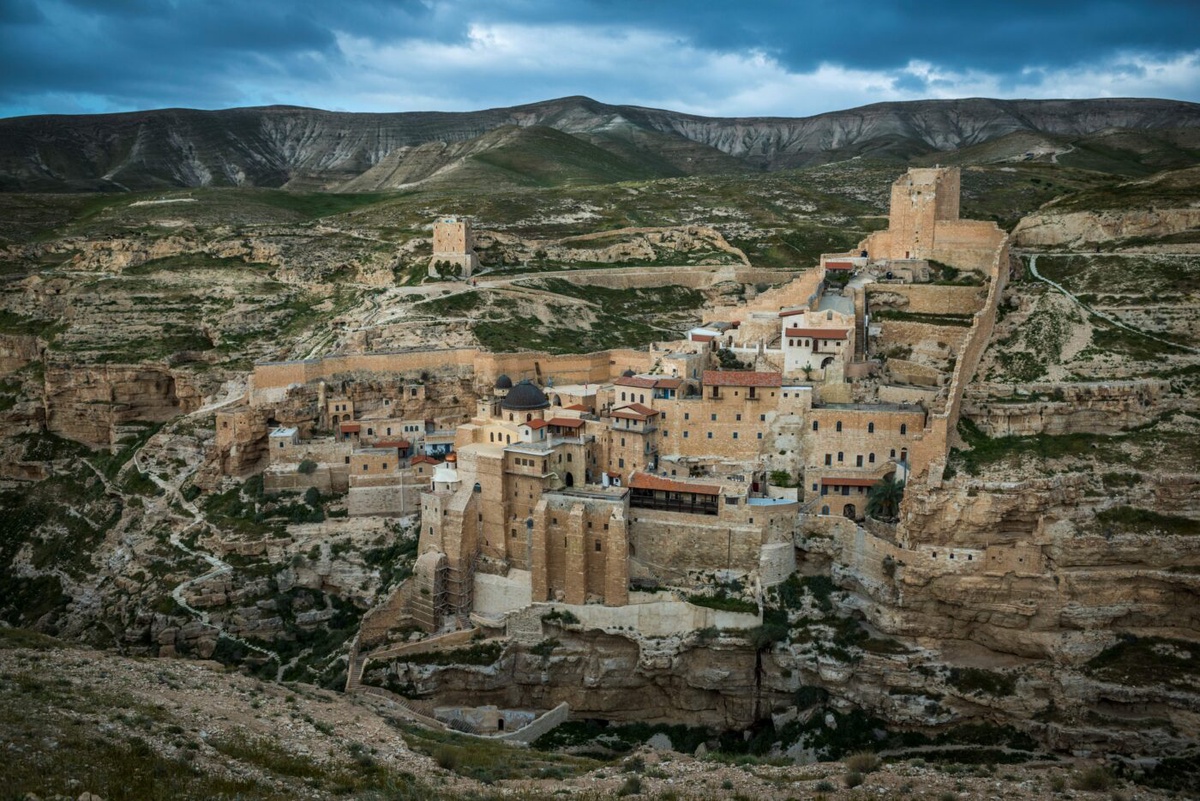
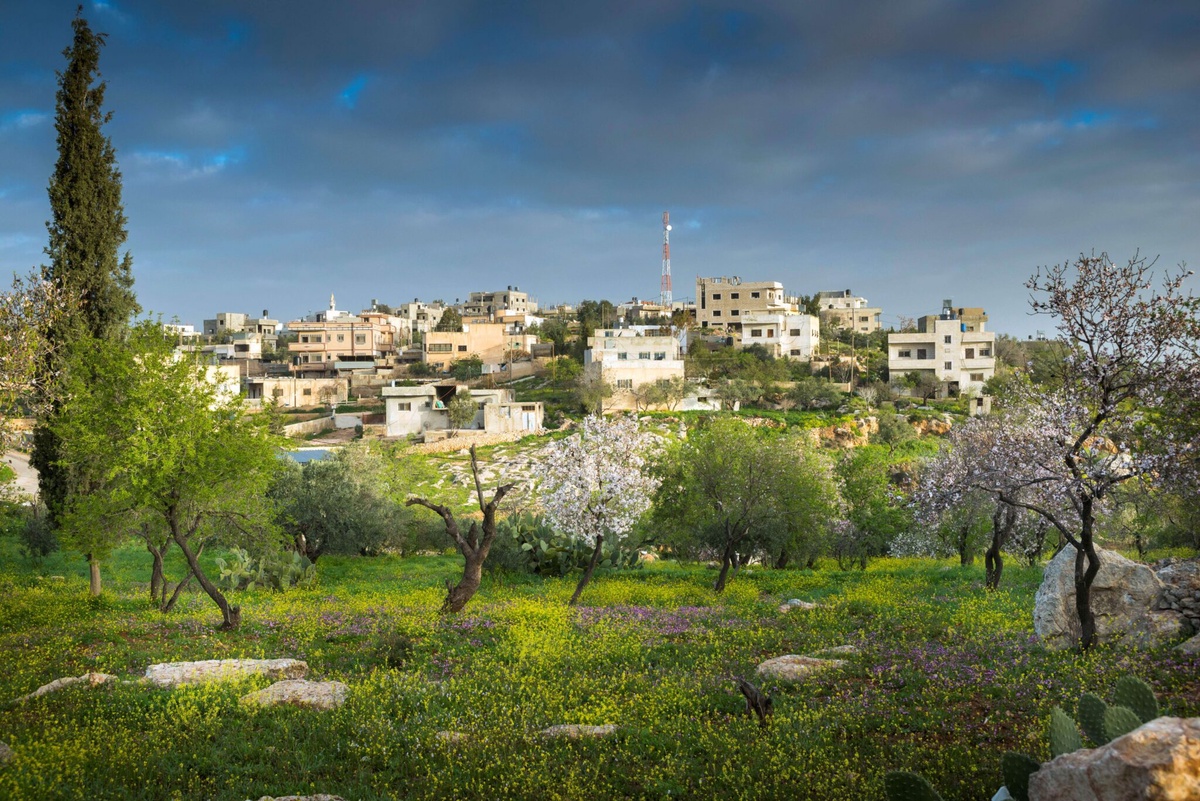
I walked into Palestine carrying an invisible suitcase full of other people’s opinions. It happens. You go somewhere charged with history and geopolitics and you think the landscape will reflect the noise. It won’t. It never does. The land doesn’t know about the discourse. What the land knows is this: wildflowers in the north in spring that will genuinely stop you moving. Terraced hillsides shaped by human hands over centuries. Desert silence so complete it starts to feel like a presence. And then — and I’m going to ask you to stay with me here — a monastery carved into a cliff face appearing out of nowhere between Jericho and Bethlehem like the land just decided to show off.
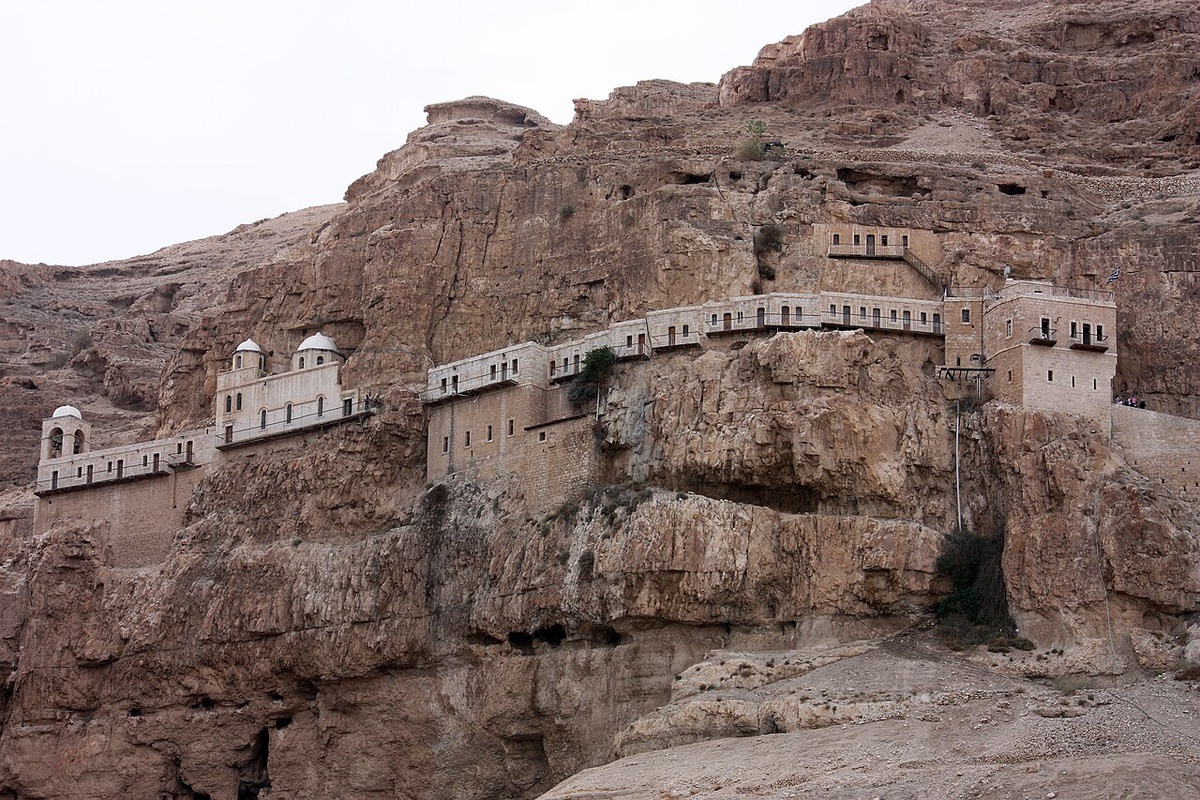
Throw out what you think you know. In with the unbidden.
I chatted with Michel Awad and George Rishmawi of the Siraj Center — the people, until recently, quietly operating walking tours across the West Bank — and the thing that struck me first is that neither of them is trying to sell you anything. They’re not in the business of managed expectations or curated epiphanies. They’re in the business of: here is a path, here are some people, walk.
“When Palestine is experienced at walking pace,” Michel told me, “visitors discover a remarkable diversity of landscapes within a relatively small area. In just a few days of walking, it is possible to experience very distinct environments.” He’s describing the north-to-south arc. Green hills and wildflowers bleeding into mountain terrain and traditional villages, which then bleed into the desert. Four or five days on foot and you’ve passed through what feels like several different countries. None of which, I should mention, look anything like a news ticker.
Here’s the thing about risk. And I know, I know — we have to talk about it because it’s the word everyone uses, the word that gets dropped into dinner party conversations like a full stop. *Risk.* People asked me about it before I went. A lot of people. The well-meaning ones, mostly. And I understand — the media creates an impression, and the impression is not gentle, and fear travels faster than planes.
But here’s what actually happens when you get there. George put it simply: “Once visitors arrive and begin their journey, their perception often changes significantly.” And that is, I’d argue, a spectacular understatement. Because what you find is that local communities take extraordinary care of their visitors. There’s a sense of responsibility in the hospitality that isn’t performative — it’s just who people are. You feel it immediately, and it makes the gap between what you feared and what you’re experiencing feel almost embarrassing.
I don’t say this to minimise real complexity. The complexity is real. But complexity and danger are not the same word, and the travel industry has long confused them when it comes to certain postcodes. The bit that gets me — really gets me — is the mosaic thing. You’re walking. You’re tired. Your legs have been doing their job for hours. And then near some ancient church or crumbling site, you look down and there’s a mosaic half-emerging from the earth. Not behind a velvet rope. Not in a climate-controlled room with an audio guide. Just there, pushing up through the soil like a quiet hello from a civilization that didn’t need you to know about it in advance. Michel described it as a “strong sense of connection to the deep history of the land.” I would describe it as being ambushed by beauty when you weren’t expecting it. Which is, if we’re honest, the best kind of beauty.
The tea. I need to tell you about the tea. You’ve been walking for hours. Your body is doing that thing where it’s slightly resentful of your ambitions. And then someone from a village — a complete stranger, technically — waves you over. Tea. Maybe bread. The universal language of *you look tired, sit down.* These spontaneous encounters are what George and Michel have built their entire philosophy around — and not because they scheduled them into a route, but because this is simply what happens when you walk through a lived-in landscape. People exist here. They notice you. They have the radical hospitality of people who have not outsourced human interaction to an app.
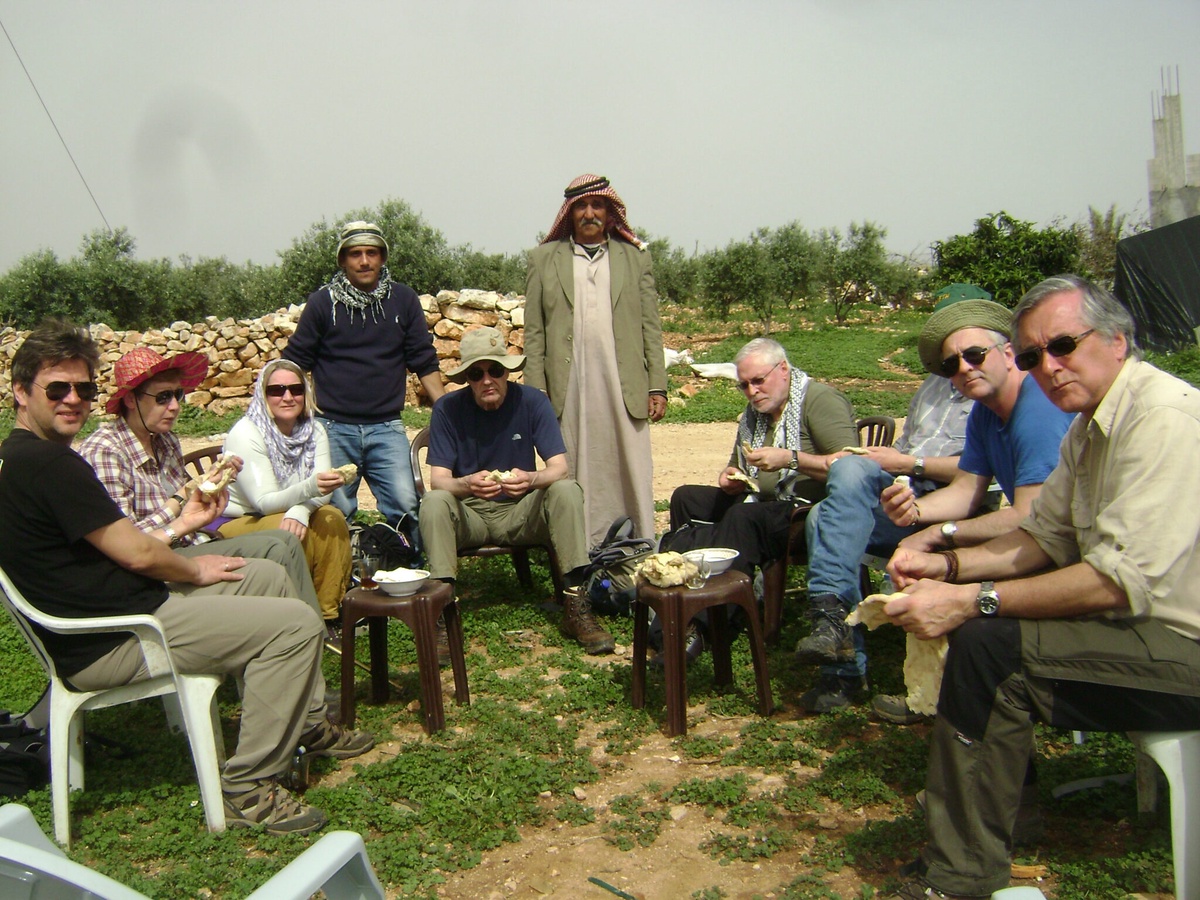
“Meeting local communities and experiencing their hospitality creates meaningful moments that touch the heart,” Michel said to me, and I could see he meant it not as a brochure line but as something he’d watched happen hundreds of times and still found moving.
I know what you’re thinking. You’re thinking: this all sounds wonderful but what about the political reality? What about the checkpoints and the zones and the geopolitical complexity I’ve read about?
I’m not going to tell you it isn’t there. Of course it’s there. Walking through Areas A, B, and C makes the administrative layering of the West Bank viscerally legible in a way no map manages. You feel the geography of the situation in your body — the shifts, the distinctions, the surreal bureaucracy of movement. That is part of the experience. And it is, I’d argue, the most honest form of understanding available to a visitor.
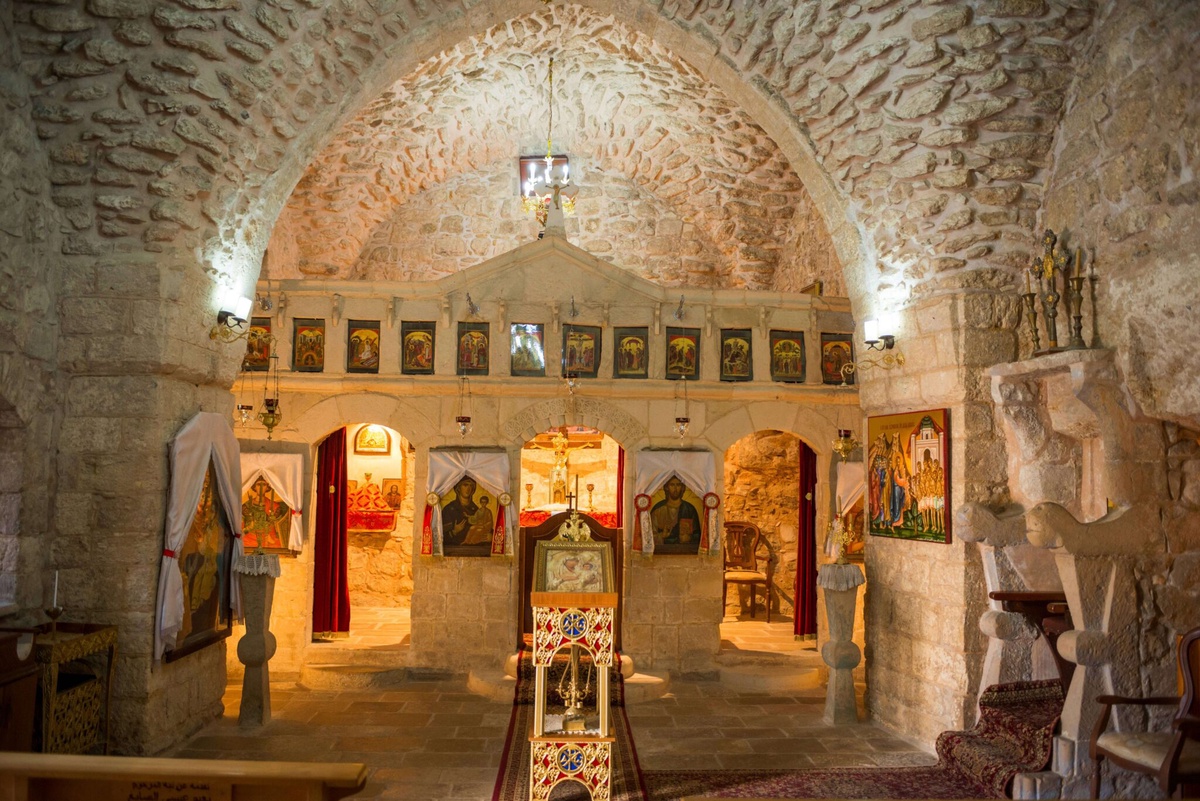
But here’s what else is there: people living their lives with extraordinary grace, having dinner, raising families, welcoming strangers with a warmth that should frankly make the rest of us reconsider our door policies.
When I asked George what survives the interruptions — the pandemic, the recurring political crises, the periods when no one comes and the routes fall quiet — he didn’t hesitate. The relationships, he said. The visitors who come back not to walk but to see the families they stayed with. The guides who love what they do so completely that other work never quite sticks. The host families who miss the human exchange — not just the income, the exchange. “Some travelers return again,” he told me, “not only to walk but to visit the families they met along the way.”
That’s the actual product, isn’t it? Not the route. Not the landscape. Not even the mosaic appearing from the earth. It’s the thing that happens between people when preconceived ideas fall away and what’s left is just: two humans, tea, conversation, the late afternoon light doing its thing on old stones.
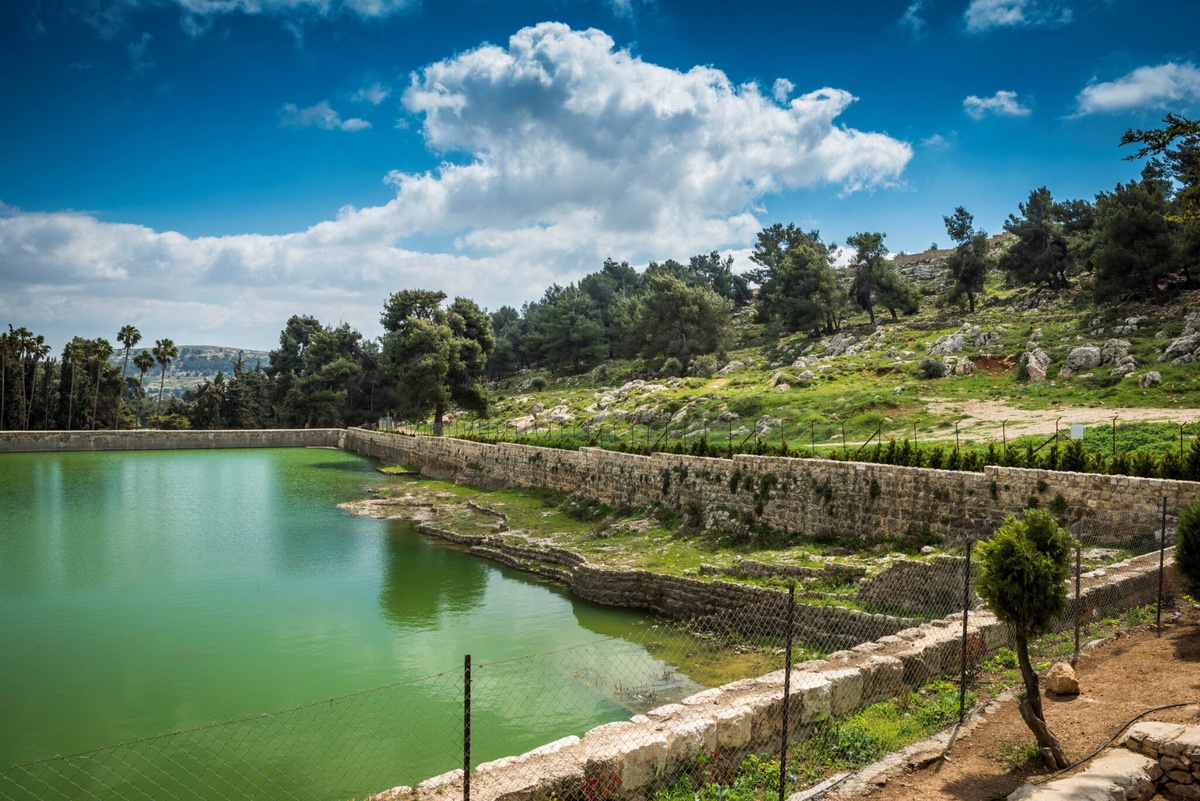
Because of the war, Siraj is not offering tours at the moment, obviously. “I think we need to mention that we have hope that things will be better soon and we will run trips either this autumn or next spring,” says George.
I believe travel is one of the last remaining arguments against certainty. You think you know. You go. You don’t know. And somewhere in the gap between those two states, if you’re lucky and paying attention, you find something that can’t be read in a headline or located on a map.
Palestine is one of the most powerful versions of that argument I’ve encountered in a long time. Not despite its difficulty. Because of it. Lose yourself to find yourself. The route is waiting. The tea will be hot.
Michel Awad and George Rishmawi work with the Siraj Center for Holy Land Studies and community-based tourism in the West Bank. When you want to go, contact them.