
“I can’t believe we’re losing,” I hear our guide, Magda, say from the other kayak behind us. She’s only half joking. And I’m only slightly offended.
We’ve pulled ahead in an impromptu race to the shore even though I can’t see or even feel that we’re going faster. Mateusz is easily matching my stroke but silently paddling in the double kayak seat behind me, a sure sign he’s concentrating given he loves talking. Magda, while petite, is a certified mountain guide who teaches courses on guiding in the pre-Pyrenees and knows the region inside out. Jiang, her 6ft-plus kayaking partner from the basketball playing region of China, is also a certified mountain guide. Although he’s a little scared of falling in as he only learned to swim a couple of years ago, you wouldn’t know it from the heft he’s putting in. At 5ft 1in with no technical outdoor skills, I know I’m the weakest link. But maybe it’s not strength, experience or form that matters but balance and finding the optimal way for unique elements to work together.
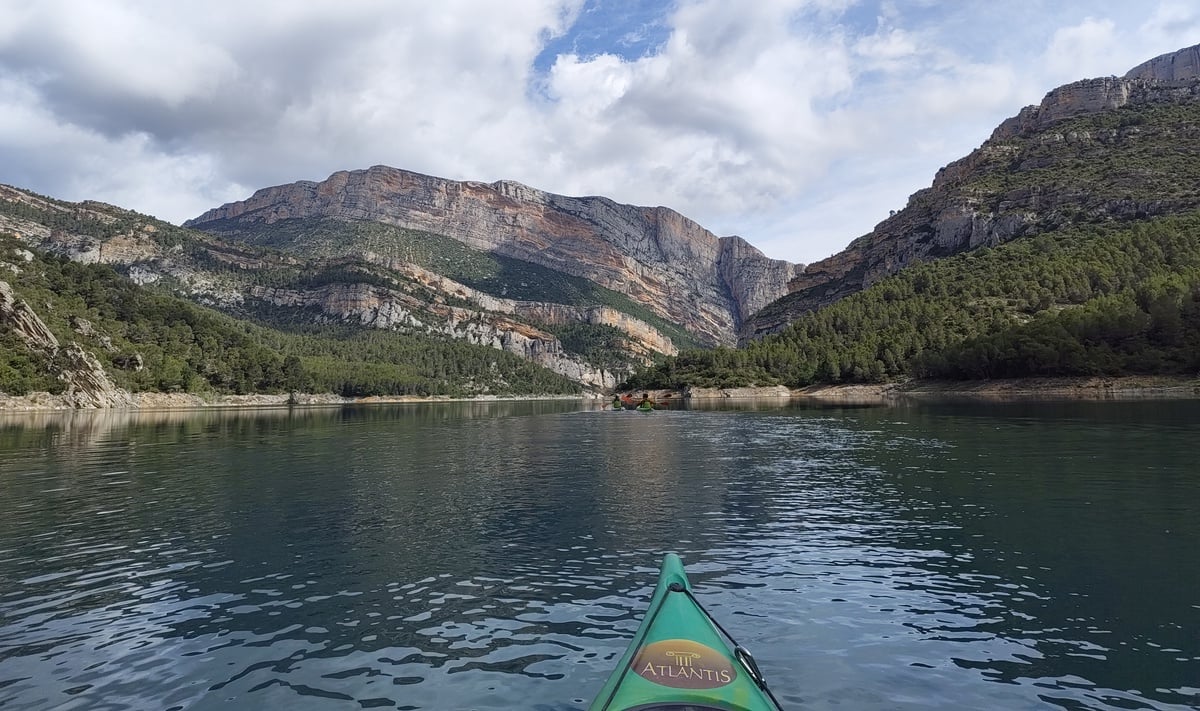
For the most part, we’d been enjoying a fairly leisurely few hours paddling on the turquoise Noguera Ribogorçana River in the Mont Rebei Gorge, which we have to ourselves despite the weather being on its best behavior. The water is like a mirror, there’s no wind, the sun is out, and even on the way back there’s next to no current. It’s almost silent, a fact we notice when we see some hikers crossing the suspension bridge and we call hello, their bonjours echoing down to us. We see vultures circling above the ridges, then floating and diving, seemingly just for fun.
Gazing up at the 500m steep and craggy limestone walls makes me dizzy. Their majestic height still belies its 80 million year history of formation. Tectonic plates collided underneath the ocean and caused the mountains and walls to form, folding and creating layers.
Our race seems petty in comparison. Balance isn’t just about the here and now, it’s about the long game, the gorge seems to be telling me.
A few years ago, the area was suffering from the drought and the water levels were low. Climate change has played a role. But seasonal changes, floods, fires, droughts, and storms, have always been a part of nature’s normal processes.
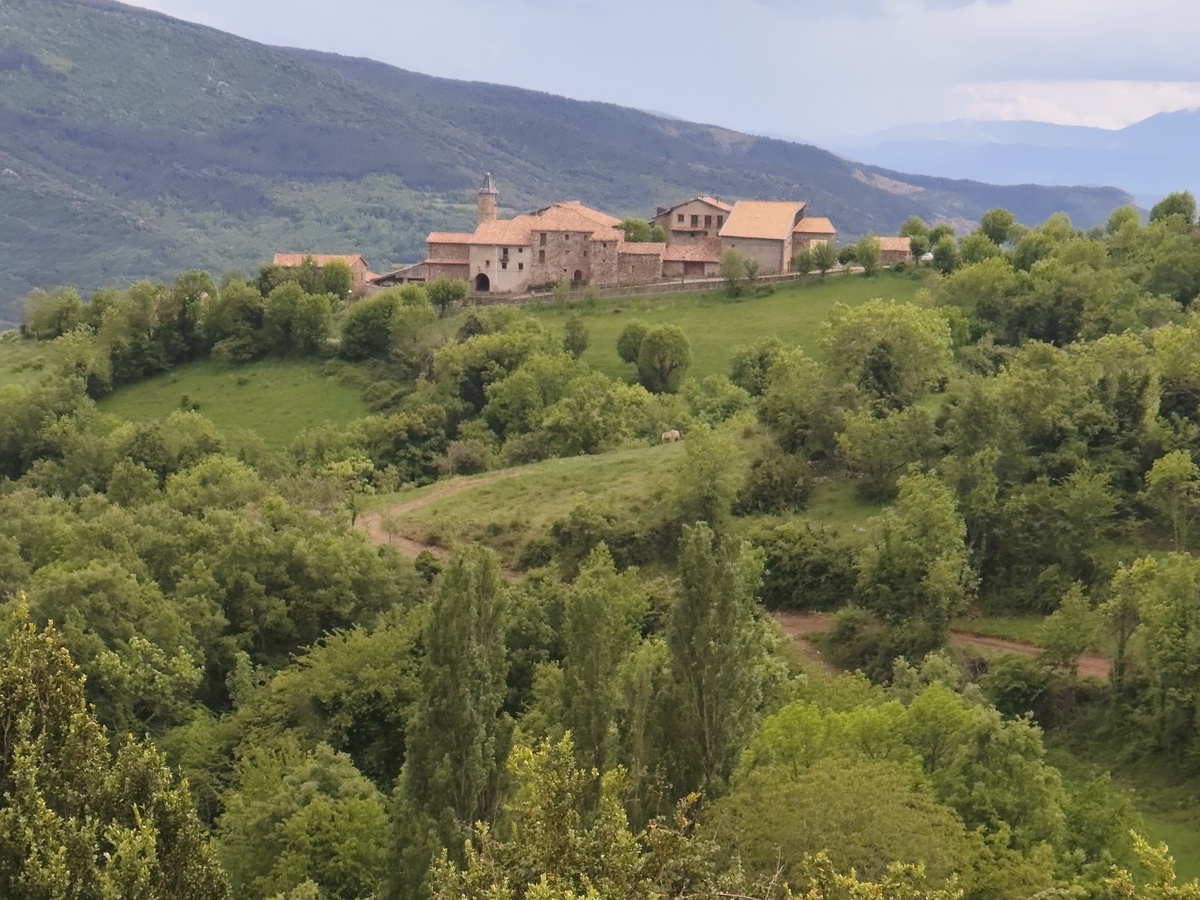
This trip was part of AdventureELEVATE Europe 2026, the Adventure Travel Trade Association's gathering held this year in Catalonia. Over several days, operators, guides, and destination leaders came together across the region's mountains, rivers, and deltas to wrestle with one shared question: how to grow adventure tourism without sacrificing the landscapes and communities that make it worth traveling for. Catalonia, with its dramatic range from the Pyrenees to the Ebro Delta, proved a fitting backdrop for that conversation.
Understanding how to manage cyclical changes and achieve balance is a question that also spurred discussions at the conference.
At the welcome reception, Juan Antonio Serrano, mayor of Val d’Aran voiced what many were pondering: “Equilibri entre visitants i residents, entre promoció i preservació, entre desenvolupament econòmic i qualitat de vida.” Balance between visitors and residents, promotion and preservation, economic development and quality of life.

He also made his position clear as to how he perceived the relationship between the natural environment and its peoples. “Aquí la natura no és només un paisatge. És identitat. Aquí la muntanya no és només un recurs turístic. És una manera de viure.” Here, nature is not just a landscape. It’s our identity. Here, the mountains are not just a resource for tourism. It's a way of life.
Growth at the expense of quality of life for residents or detriment to the natural environment, can be hard to resist. But it’s possible if there’s a clear vision and purpose.
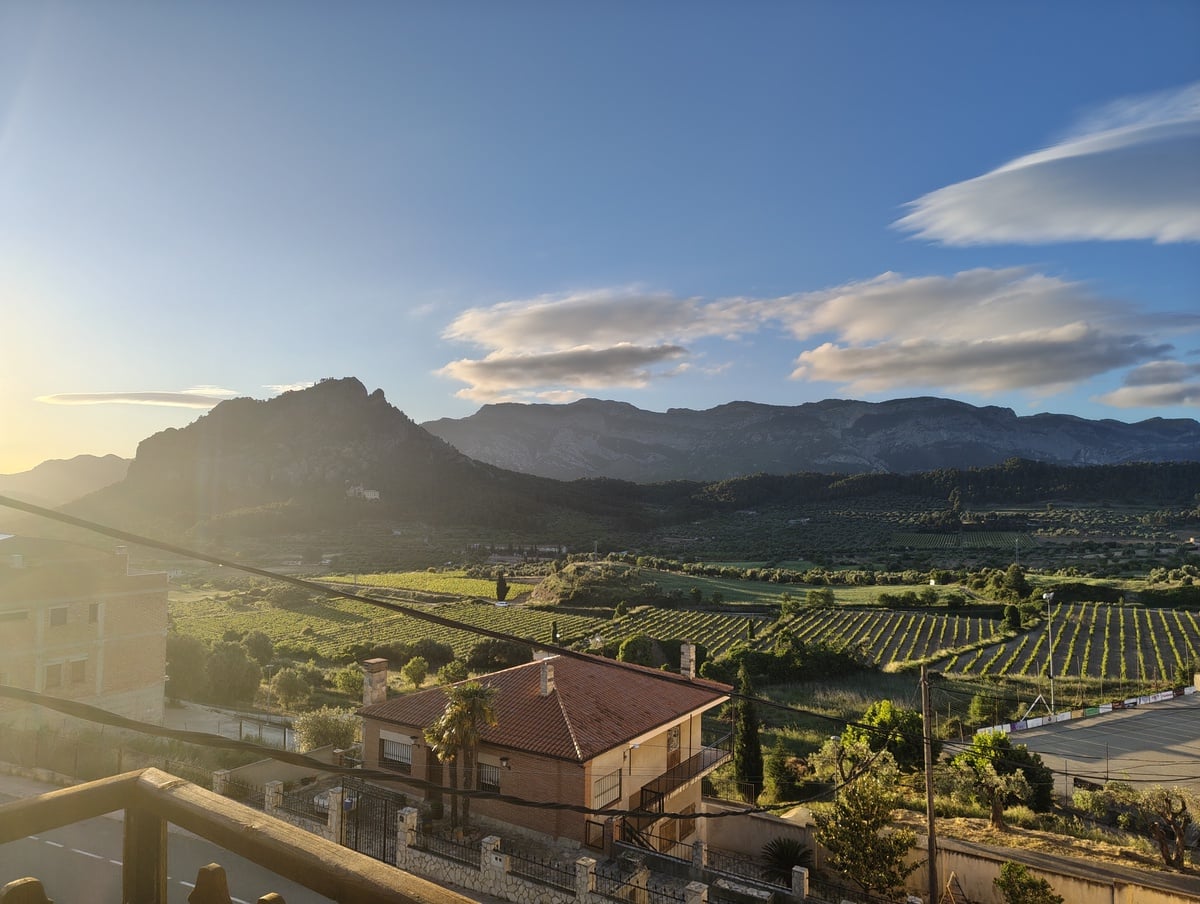
It’s evident when we have coffee and cake at Mireia Font’s Casa Leonardo that catering to everyone’s whims is not how they do things. “Cafe latte and cappuccino, it’s the same. I make the same,” she declares when one of our group orders one. We can’t help but laugh. Similarly, when one of us asks if they can accommodate more people, or make sure various groups share one room, if there’s Wifi or at least data coverage 24/7 along the way, she doesn’t try to please everyone – it’s a simple yes or no. She’s not envisaging a franchise of Casa Leonardo’s across the Pyrenees or even Catalonia or Spain. Senterada is her village and she wants to maintain her family business, nothing more, nothing less.
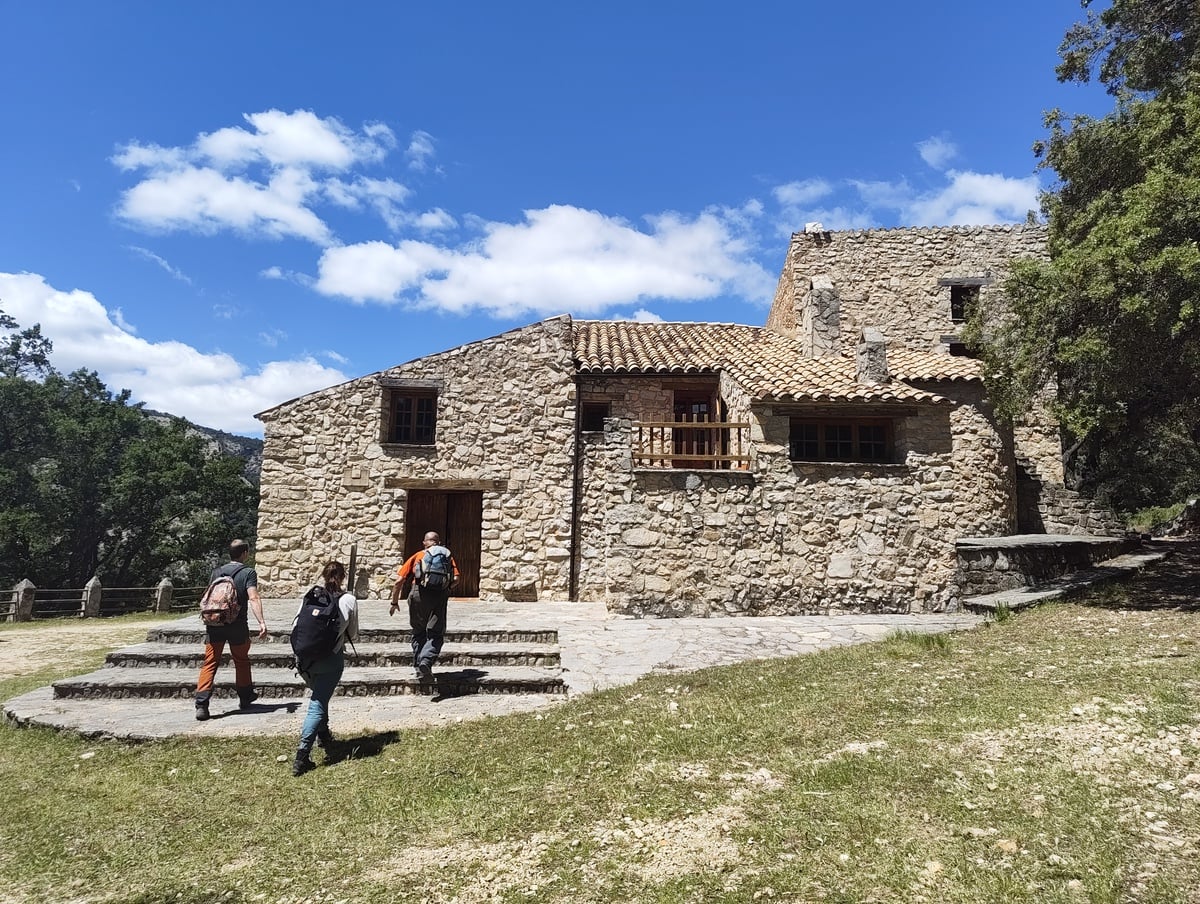
Toni Beltran, a soft-spoken 7th-generation olive oil producer from Horta de Sant Joan, feels the same. While he ships internationally, he’s not interested in selling his products on Amazon, showcasing at big industry fairs non-stop, to reach bottom lines that make shareholders happy. It’s a family business and he wants to ensure people understand what good quality olive oil is, its health benefits, and what we need to do to protect the 100-year-old olive trees that he’s researching as they age. Measuring the pH of the soils, tracking the weather variability due to climate change, working with the EU and universities to continue learning what we can about this underrated fruit. We learn how to sample olive oil and learn what makes one good quality, smelling, tasting and finally eating it with bread stuffed with heirloom tomatoes and sardines, a traditional lunch the shepherds would make.
Seeing birds in their natural habitat in the Ebro Delta wetlands gave me the same impression. Flowing from the Cantabrian Sea, the Ebro River is the longest river located entirely in Spain. In the ricefields reminiscent of Southeast Asia, we see ibises and cranes delicately picking their way through the lime green stalks drenched in water. Typically only migrating short distances, the masses of flamingos can be seen all year round here, numbers increasing in the winter months as they settle to feed and nest.
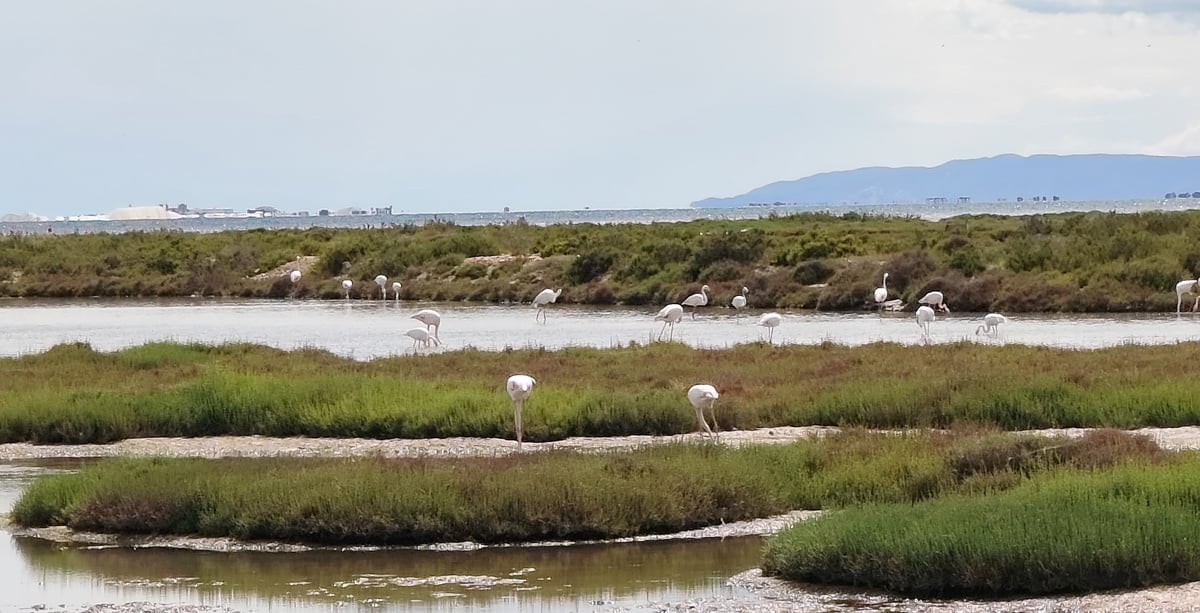
Unlike the other migratory birds that travel across hemispheres, the flamingos are happy where they are, picking with their long necks and beaks on algae and invertebrates in the salt pans, part of a complex but balanced ecosystem that depends on sediments, salts, nutrients and animal life to sustain the area. The flamingos might not be ambitious to see the world or conquer new terrain, but there’s something admirable about their desire to maintain a rhythm of life that is as close to true balance as they can get.
Reflecting on the conversations, experiences, and observations, I’m aware that the mountains and rivers and the landscapes they carve out are what I need to learn from so I can understand balance better. I already plan to return to this unique part of Catalonia and Spain, to see what else they can teach me.