
For the global adventure travel industry, protected areas are not just destinations, they are foundational assets. National parks, marine reserves, Indigenous and community-conserved areas, and other protected landscapes underpin many of the world’s most sought-after adventure experiences, from trekking and wildlife viewing to paddling, diving, and cultural exploration. Yet their importance to adventure tourism goes far beyond scenery. Properly managed, protected areas enable conservation, sustain local livelihoods, and create the conditions for high-quality, transformative travel experiences. Poorly managed, they risk becoming overused commodities that undermine both conservation and community goals and long-term tourism viability.
The challenge, and opportunity, for adventure tourism lies in understanding protected areas not as passive backdrops, but as actively managed systems where tourism can either strengthen or weaken conservation outcomes.
For adventure tourism businesses looking to better understand how protected areas, policy, and practice intersect, the Adventure Travel Trade Association (ATTA) provides a platform for learning, collaboration, and shared leadership. Through research, events, and peer exchange, members engage directly with the issues shaping the future of the places on which the industry depends.
Protected Areas as the Backbone of Adventure Demand
Protected areas have been central to tourism since their inception, precisely because they conserve the natural and cultural values that visitors seek out. According to IUCN guidance, protected areas are major tourism destinations in many countries and, in some cases, represent the primary draw for international visitors. Adventure travelers in particular are motivated by access to intact ecosystems, healthy wildlife populations, and meaningful encounters with place—qualities that depend on effective protection and long-term management.
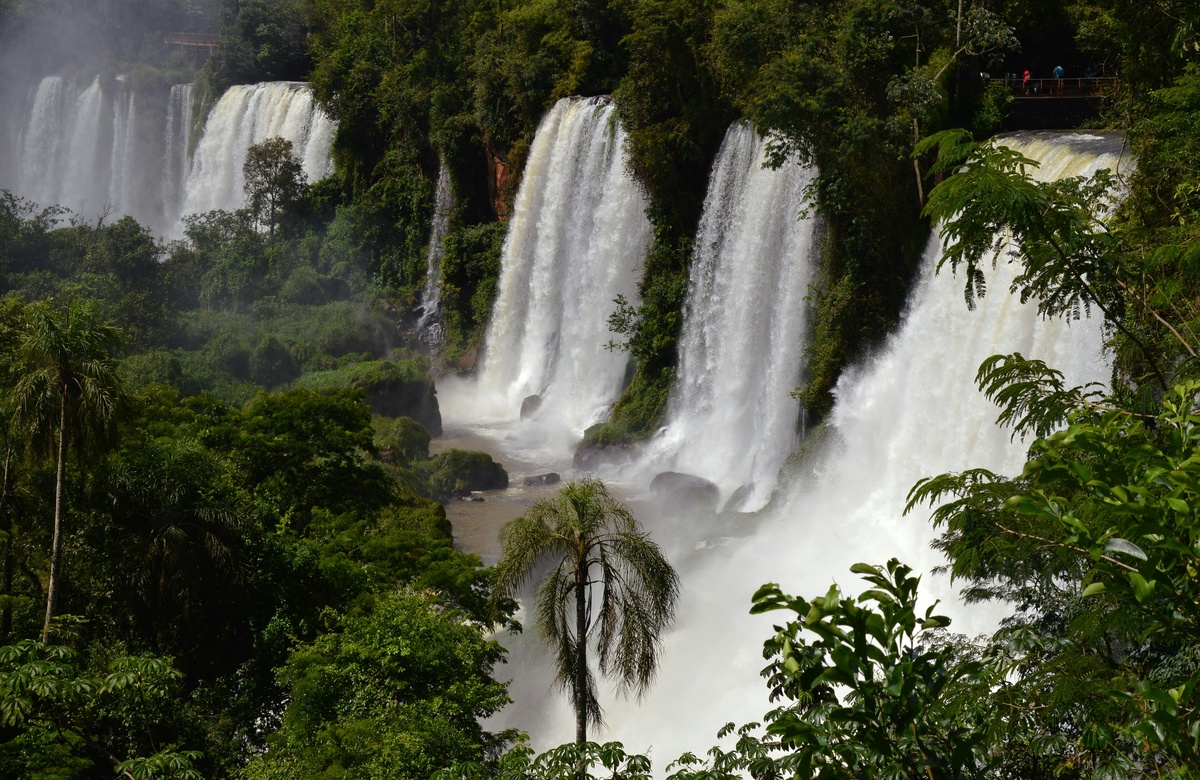
These landscapes also deliver what the adventure sector increasingly markets: personal transformation. Visitor experiences in protected areas have been shown to support individual well-being, inspiration, learning, and a sense of stewardship, reinforcing travelers’ emotional connection to nature and culture. For operators and destinations, this translates into deeper engagement, stronger brand loyalty, and growing demand for purpose-driven travel.
Conservation and Tourism: A Reciprocal Relationship
The IUCN guidelines are clear that tourism and conservation are interdependent. Protected areas often achieve political legitimacy and long-term protection when people visit them, value them, and advocate for their survival. In this sense, tourism, when aligned with conservation objectives, helps build constituencies of support for protected areas by translating abstract environmental values into lived experience.
At the same time, tourism can generate direct financial contributions to conservation through entrance fees, concessions, and visitor spending, as well as indirect benefits by justifying public investment and policy support. Numerous examples from Australia to Belize, demonstrate how protected area tourism has helped fund management, restoration, and species protection efforts, while reinforcing the economic value of conservation to governments and communities.
For adventure tourism businesses, this reciprocity matters. The long-term viability of activities such as wildlife safaris, mountain trekking, or reef diving depends on ecosystems remaining functional and resilient. Tourism that degrades those systems ultimately undermines its own product.
Community Benefits and Social License
Adventure tourism’s reliance on protected areas also places it squarely within local and Indigenous contexts. The IUCN guidance highlights that protected area tourism can be a powerful driver of community development when benefits are tangible and equitably distributed. These benefits may include employment, skills development, infrastructure improvements, healthcare access, and support for cultural revitalization.
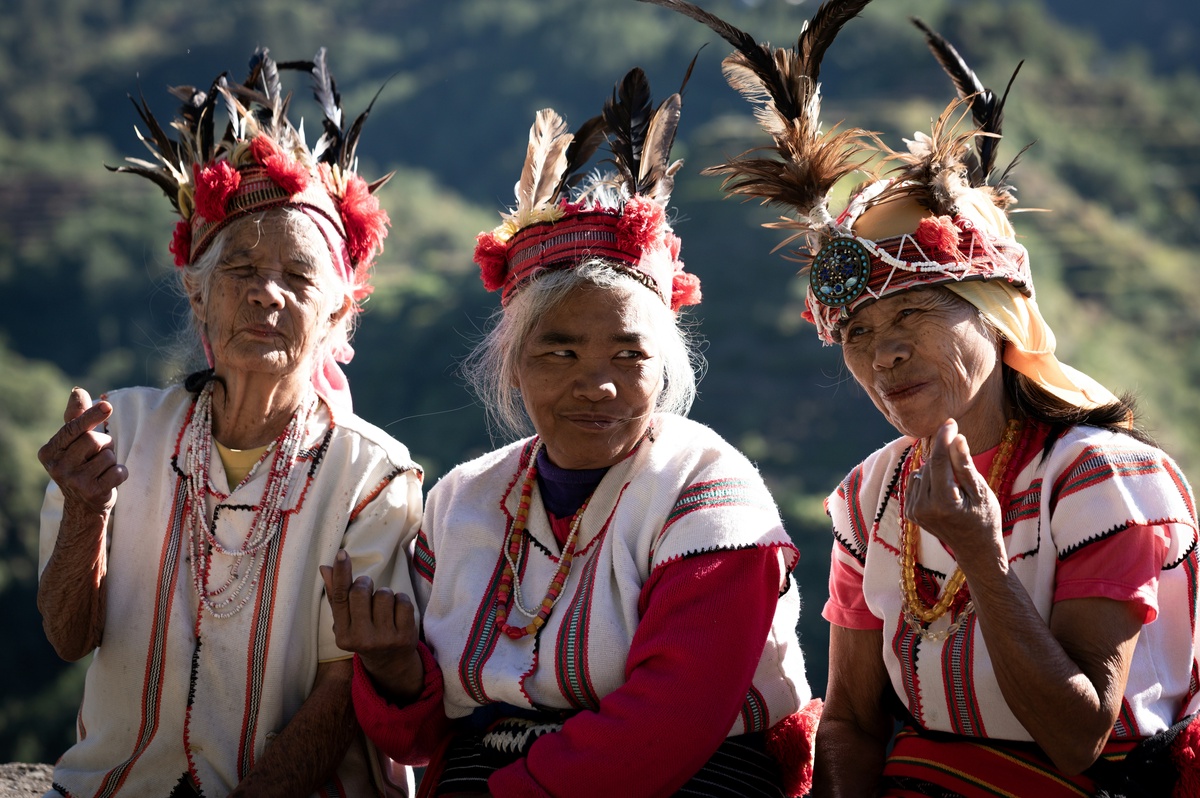
Crucially, communities that benefit from tourism are more likely to support conservation objectives and tolerate the costs of living alongside protected areas, such as wildlife impacts or land-use restrictions. For adventure tourism operators, this “social license” is not optional. Experiences that ignore local values or fail to share benefits risk conflict, reputational damage, and long-term operational instability.
The Risks of Overuse and Commodification
The same guidelines that highlight tourism’s benefits also warn of its risks. Without clear objectives and effective management, protected areas can become overdeveloped, ecologically degraded, or culturally compromised. Environmental impacts such as trail erosion, wildlife disturbance, pollution, and unsustainable water use are well documented, as are social impacts including overcrowding, cultural commodification, and loss of local access.
These risks are particularly relevant for adventure tourism as demand grows for “last wild places” and remote experiences. The industry’s emphasis on novelty and access can, if unchecked, place pressure on fragile environments and management systems already stretched by limited resources.
What This Means for Adventure Tourism
Tourism in protected areas must be intentional, planned, and adaptive. Sustainable tourism is not about maximizing visitor numbers, but about aligning tourism activities with protected area values, setting limits on acceptable change, and continuously monitoring impacts. Frameworks such as Limits of Acceptable Change and adaptive visitor management systems are essential tools for maintaining quality experiences while safeguarding ecosystems.

For adventure travel operators, destination managers, associations, and other stakeholders, this implies shared responsibility. Supporting protected area management, respecting zoning and capacity limits, investing in local partnerships, and contributing to conservation outcomes are not just ethical choices; they are strategic ones.
A Strategic Imperative, Not a Side Issue
Protected areas are central to the identity, credibility, and future growth of adventure tourism. They supply the landscapes, biodiversity, and cultural depth that differentiate adventure travel from mass tourism, while offering a pathway to align business success with global conservation and development goals. Only tourism that is appropriate, well-managed, and conservation-positive can remain viable over the long term.
For the adventure travel industry, the message is clear: protecting protected areas is not someone else’s job. It is a core business concern, and one that will shape the sector’s resilience in the years ahead.