
Nepal is set to become a leading destination for music tourism in 2026, offering travelers an unparalleled blend of traditional folk music, spiritual ceremonies, and international music festivals. With over 125 ethnic groups and a rich musical heritage spanning centuries, Nepal is providing visitors with immersive cultural experiences unlike anywhere else in Asia.
“Maya Trips, an experiential tour specialist of Nepal hereby invites travelers to take a plunge into a musical journey and come closer to understanding the heritage of Nepal. The soulful tunes of Gandarbha sarangi, the captivating beats of the Limbu chyabrung and the sacred dhimey drums are just some of the many tunes that have a story to tell of culture, community, living, the art and the artist” said Mr. Ajay Raj Joshi, Founder of Maya Trips.
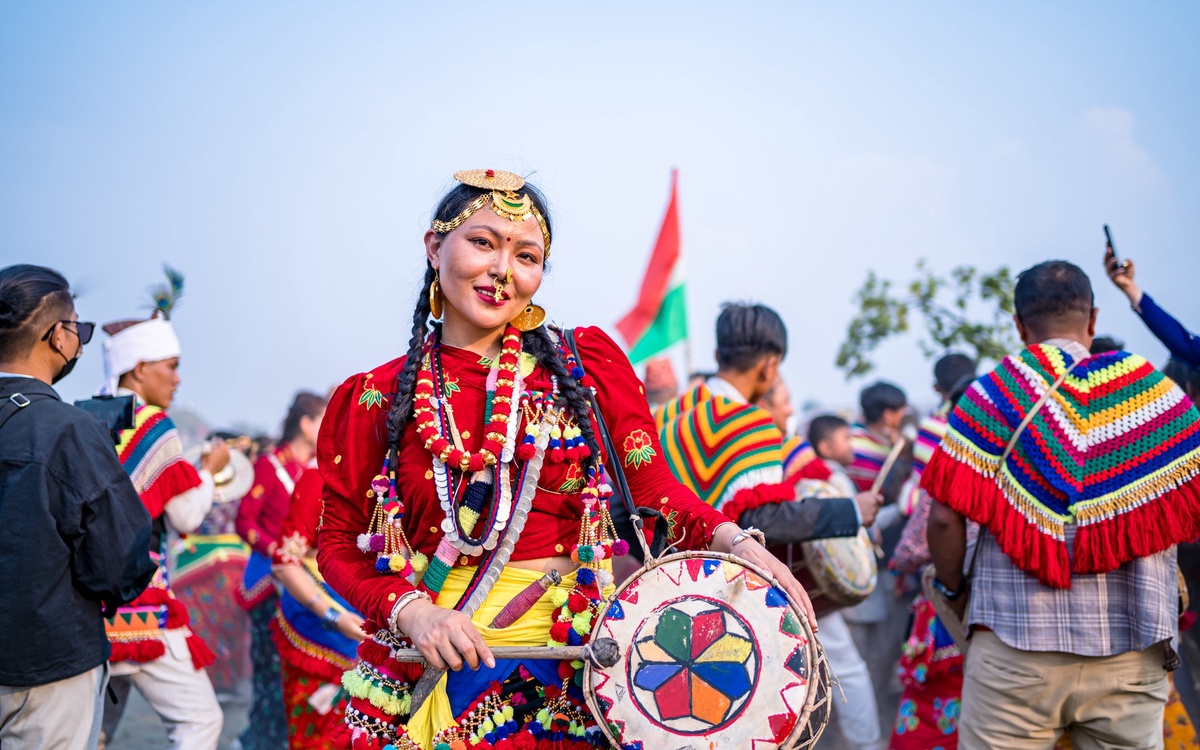
"The music of Nepal was like angels from the mountains, carried on the wind to me to watch over me. All music has an essence, and for me, that was the essence of Nepal... a kind of dream, a place between worlds or planes of consciousness." – Antonio Domingo Linde Comacho, Artist of the Psychedelic Renaissance
Traveling today is not just about the usual itinerary filled with sightseeing and visits to certain popular sites and taking photos. More travelers are seeking an immersive experience where they can connect to a new culture and take home a lasting memento. Music tourism is now one of the facets that has opened the doors to such immersive experience where Nepal stands out as an exciting destination for 2026.
With more than 125 different ethnic groups, Nepal carries the music of many genres from soft and spiritual to energetic and celebratory, all deeply rooted in community.
- In rural hills, the Gandarbhas tell stories with their magical sarangi.
- In the eastern regions, the Limbu community is famous for their chyabrung drumming during the festivals.
- In the Kathmandu Valley, the Newar communities have been playing the dhimey drum for many centuries.
- Moreover, the country’s most iconic instrument madal is played throughout Nepal regularly.
Maya Trips welcomes the traveler to take a dive into a world of diverse rhythms, the art and the artist.
The Nepalese Folk Music – An Expression of Communities
The music of Nepal is a teacher of Nepalese history, preserving identity, celebrating the way of life and healing the soul. In the eastern hills, the chyabrung drumming honors the Limbus. Its distinctive double-sided drum is played in rhythmic patterns while dancers move in circles, represents balance, unity, and harmony.
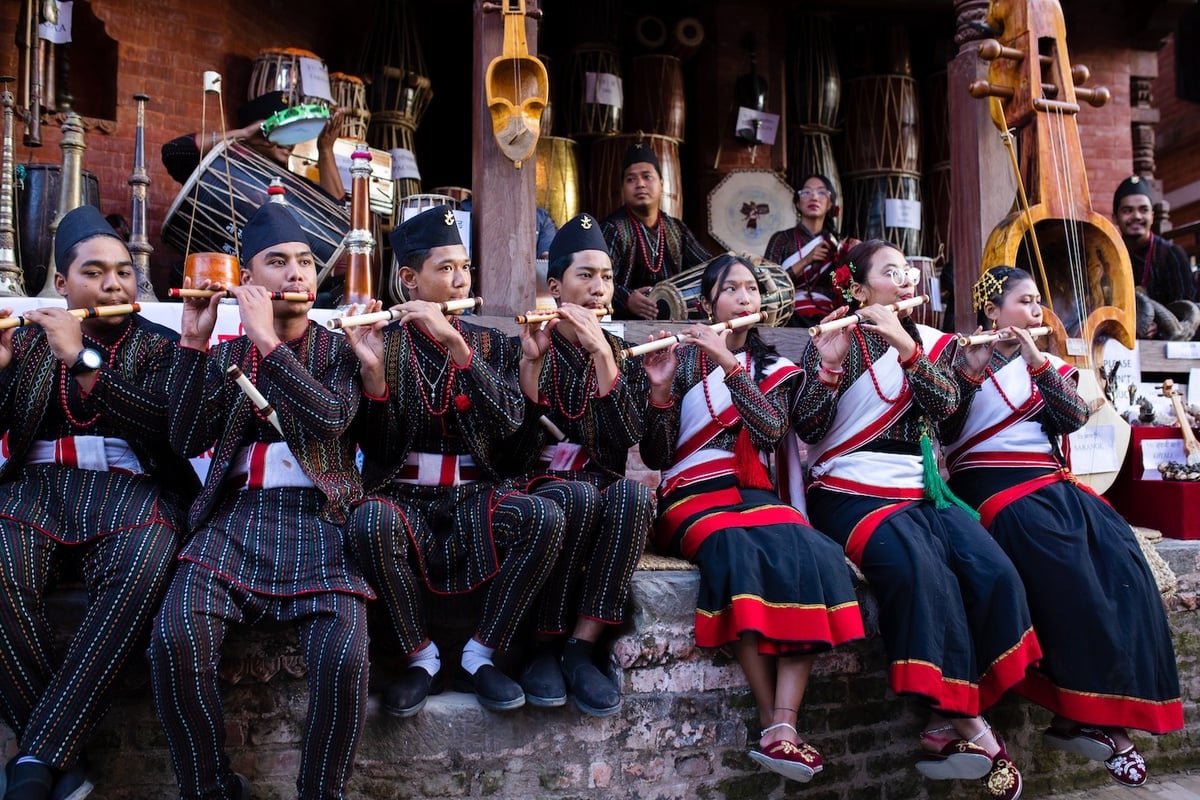
On the other hand, the Newar dhimey is a sacred instrument that represents the interrelation of community life. Dhimey is played to honor deities and ancestors during festivals.
“To the traveler, it’s a fresh and unfamiliar sound—one they’ve quickly come to enjoy. They have shown deep admiration for traditional Nepali music, finding it soothing, unique, and full of charm.” Rubin Kumar Shrestha, Flute Player, Kutumba Band, Nepal
Similarly, in the Himalayan regions, tungna is an instrument made of wood and strings. Tungna is played as an expression of spirituality, stories of migration and the resilience of the mountains and the people living therein.
These instruments along with damphu and arbajo are expressions of the longstanding heritage of Nepal which have been passed down through generations. The global interest in preserving cultural heritage has thrust the interest of young artists in Nepal to blend traditional instruments with modern music. We at Maya Trips encourage travelers to understand the stories behind the melodies that infuse traditional music with modern culture.
Music in Daily Life: Bhajan, Kirtan, Festivals, and Rituals
Nepal is a spiritual country with each community deeply involved in celebrating the deities through devotional singing sessions. Whether performed in the streets during live Jatras, in a temple or in other religious cult gatherings, these traditions bring communities together and aim to keep the faith alive.
In such settings, a selection of traditional musical instruments are used to emphasize the occasions. The conch shells are blown to purify and create a blissful atmosphere. The different drums that produce a rhythmic beat along with cymbals, the panche baja turn these moments into a powerful expression of ancient culture.
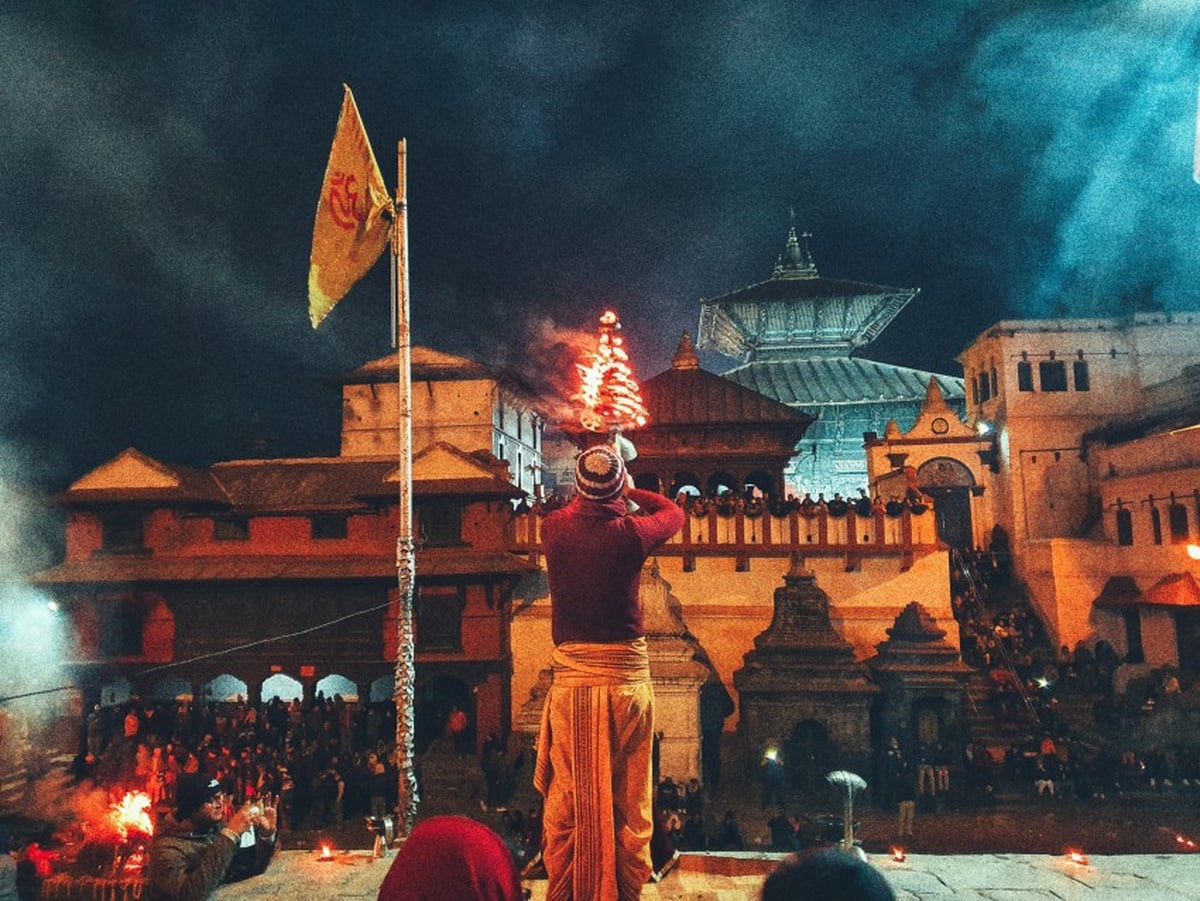
The Bagmati Aarti at Pashupatinath deserves a special mention. The ritual is carried out in the evening dedicated to Lord Shiva, the deity of the temple.
During the ceremony, priests referred to as ‘Bhatta’ offer large multi-tiered oil lamps held in both hands and perform circular movements chanting mantras.
The devotees start singing devotional songs, ring bells and blow conch shells. A Tandava dance of Lord Shiva is also performed by some devotees during the ceremony.
Hari Kirtan is another ceremony where chanting of Hare Krishna transforms into meditation is led by ISKCON prabhujis. During the Arati ceremony, lamps, flowers, and mantras fill the air with devotion and deities of Radha Krishna radiate grace.
The range of instruments, the different artists from the many ethnicities, the different festivals and ceremonies and the various genres of music – folk, spiritual, ritualistic & celebratory, make Nepal an incredibly rich place to experience the relationship between music, culture and the divine.
The musical landscape of Nepal is vast not only because of its instruments, but because of the diversity of its people, each with their own ceremonies, songs, and styles of devotion. Every ethnic group contributes something unique to this cultural tapestry. The chants of Buddhist monasteries, the rhythmic drumming of Hindu festivals, the ceremonial music of indigenous communities, and the countless folk genres heard throughout the hills and plains together form a rich spiritual soundscape.
The Rise of International Music Festivals in Kathmandu
“Every country has its own distinct culture and music which is brilliant. Nepal’s music reflects its rich cultural diversity. From the Maruni dance to the Gandarbha’s tunes, every sound offers the curious traveler a rich, remarkable experience to take home” – Anil Gandharva, Sarangi player, Samundra Band, Nepal
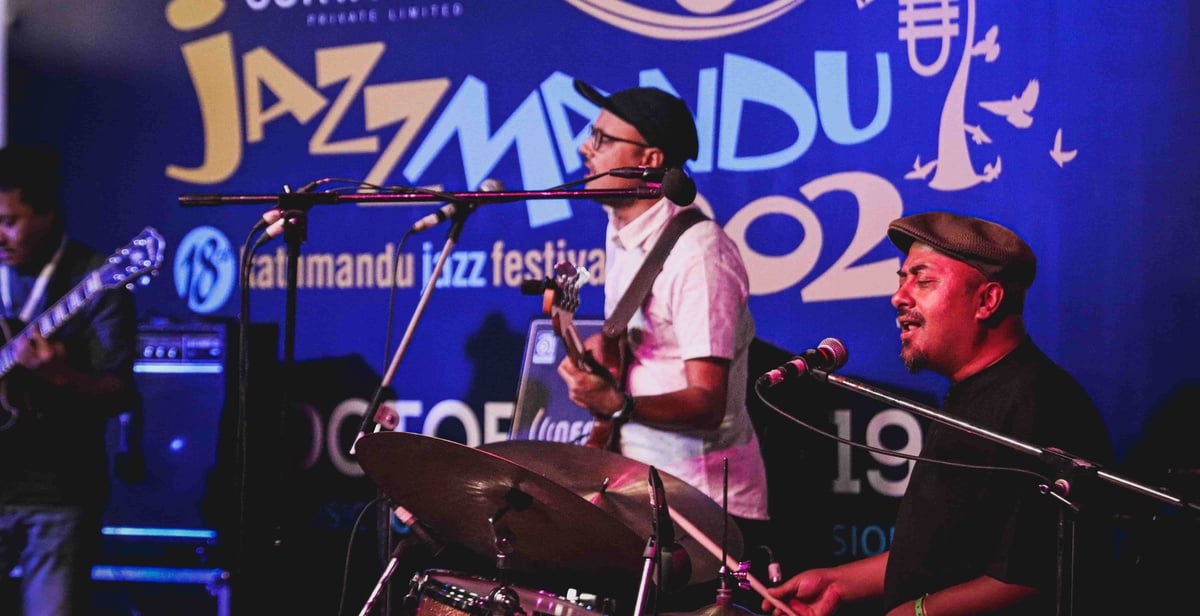
In terms of resisting change, the villages have proven to withhold time keeping the essence of rich tradition and culture alive. The larger cities however, have evolved to accommodate foreign culture, catering to the common needs of the world traveler. Infusing traditional music with the western musical genres has been a growing trend with festivals like Jazzmandu and Echoes in the Valley amongst others attracting musicians and audience from around the world.
These festivals allow unique performances by traditional artists. A magical blending of modern global genres with Nepal’s folk music. From assimilating a jazz quartet with a sarangi player to watching contemporary bands weaving dhimey rhythms is unique and interesting.
The festival organizers are increasingly welcoming ethnic musicians, master drummers, monastery choirs and folk storytellers to share the spotlight with international musicians.
This phenomenal evolution of mixing ancient heritage with global music genres has elevated Kathmandu to becoming a compelling musical destination in Asia. Today the traveler seeking musical tours can enjoy a phenomenal world-class music festival while also sitting down with a traditional musician which adds an unprecedented immersive experience.
How Maya Trips Is Reviving Nepal’s Folk Heritage
With the growth in music tourism around the world, Maya Trips strives to make ethnic musicians get valued, recognized and supported. Bringing the art and the artist to a stage and sharing their stories to interested audience, Maya Trips strives to promote and foster a mutually beneficial environment. This fosters cultural sharing and creates opportunities to the wellbeing and continuum of this wonderful legacy.
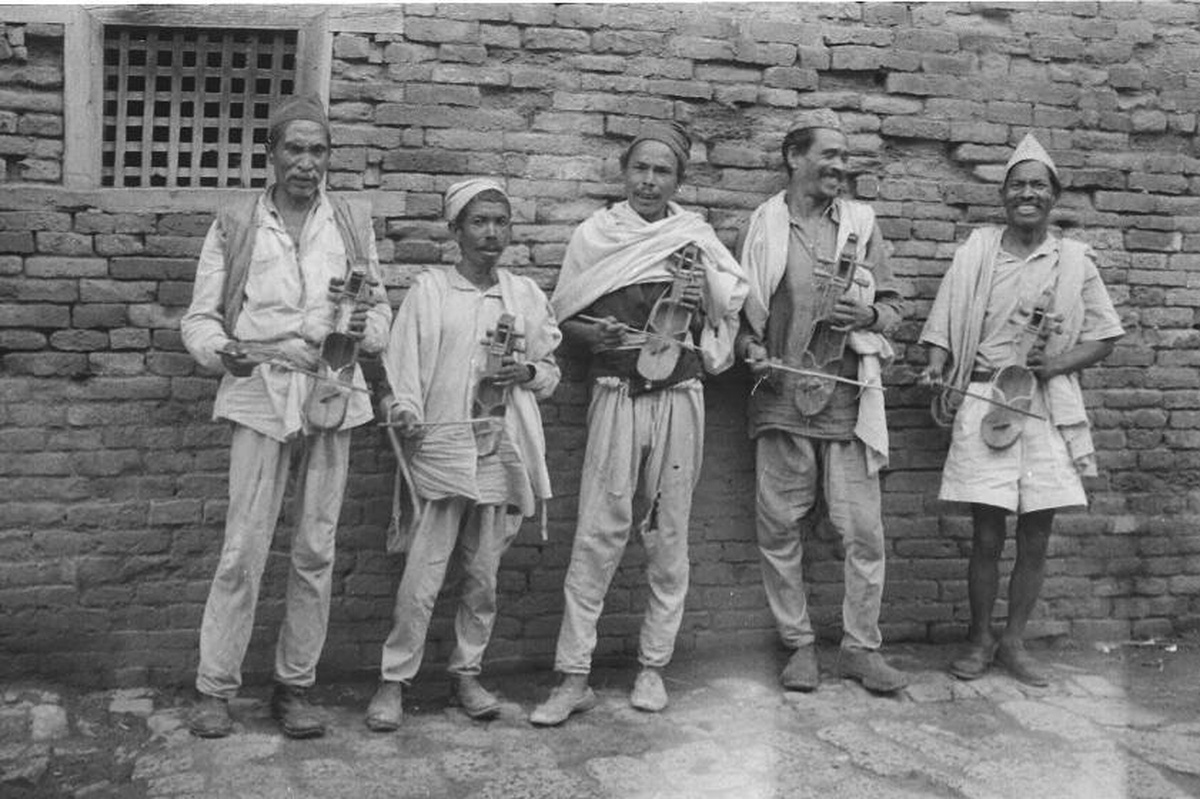
The Gandarbha Heritage Program is one of Maya Trips’ heartfelt efforts. It celebrates the sarangi tradition, highlights the craftsmanship of instrument makers and offers the avenue for Gandarbha artists to share their art.
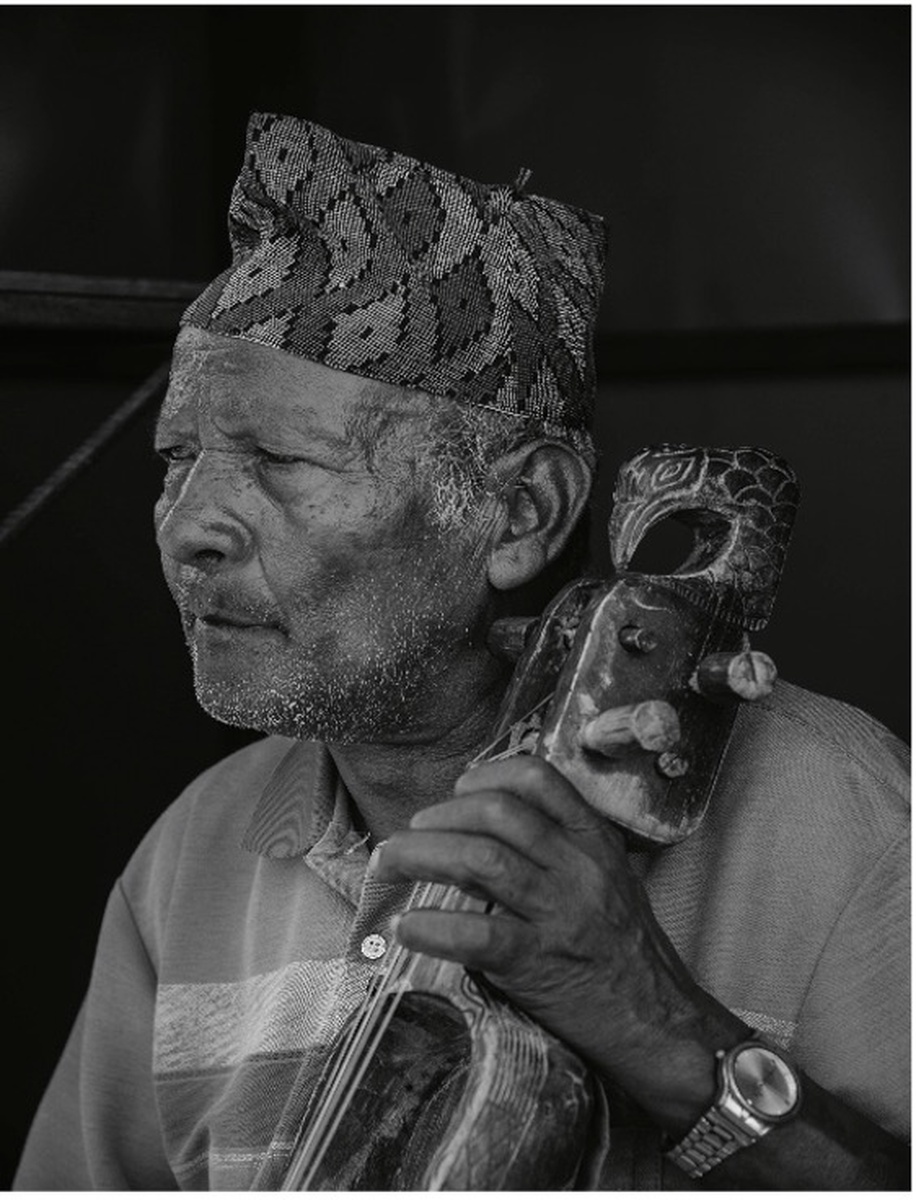
Visitors spend a day in Gandarbha village and listen to music. The guide interprets the story, and the visitors can try playing the sarangi themselves. They can also sit with elders to learn about their history as travelling minstrels and understand why music remains a crucial part of their identity.
Maya Trips is hopeful that our efforts inspire the new generations to carry this heritage forward. We are dedicated to creating unique experiences that inspire recognition of this ancient heritage.
Going forward, Maya Trips is ambitious to include artists from Limbu, Newar, Tamang, Tharu, Magar & other Himalayan communities. Moreover, we will co-create musical workshops, performances and cultural events that allow travelers to experience a deep emersion into Nepalese tradition.
This ambition will foster an environment where music enthusiasts have an opportunity to come close to the artists. Where they can have meaningful interactions built on respect. The journey to realizing this ambition is underway whereby Maya Trips aims to play a small yet significant role in strengthening Nepal’s diverse musical heritage.
Nepal is ready to welcome music lovers from around the world. Start your musical journey with Maya Trips. Let Nepal’s melodies stay with you long after you leave.