
The Inca Trail remains one of the world’s most iconic trekking routes, not only for its archaeological significance but also for the complex management system that protects it. As demand continues to grow, especially looking ahead to 2026, understanding how permits are allocated and managed has become increasingly important for both travelers and industry professionals.
From the perspective of Samex Tours Peru, a local operator based in Cusco, the permit system is not simply a logistical requirement—it is a cornerstone of conservation, safety, and long-term sustainability.
Why the Inca Trail Permit System Matters
The Peruvian government strictly regulates access to the Inca Trail to preserve its fragile ecosystems and archaeological heritage. Daily entry limits, mandatory licensed operators, and regulated guide-to-trekker ratios are all part of a framework designed to prevent overuse and degradation.
While these measures are sometimes perceived as restrictive by travelers, they are essential. Without a permit system, the trail would face the same challenges as many overtouristed destinations worldwide: erosion, waste management issues, and loss of cultural value.
For operators on the ground, compliance is not optional—it defines how we plan, operate, and communicate with travelers.
Preparing for Inca Trail Demand in 2026
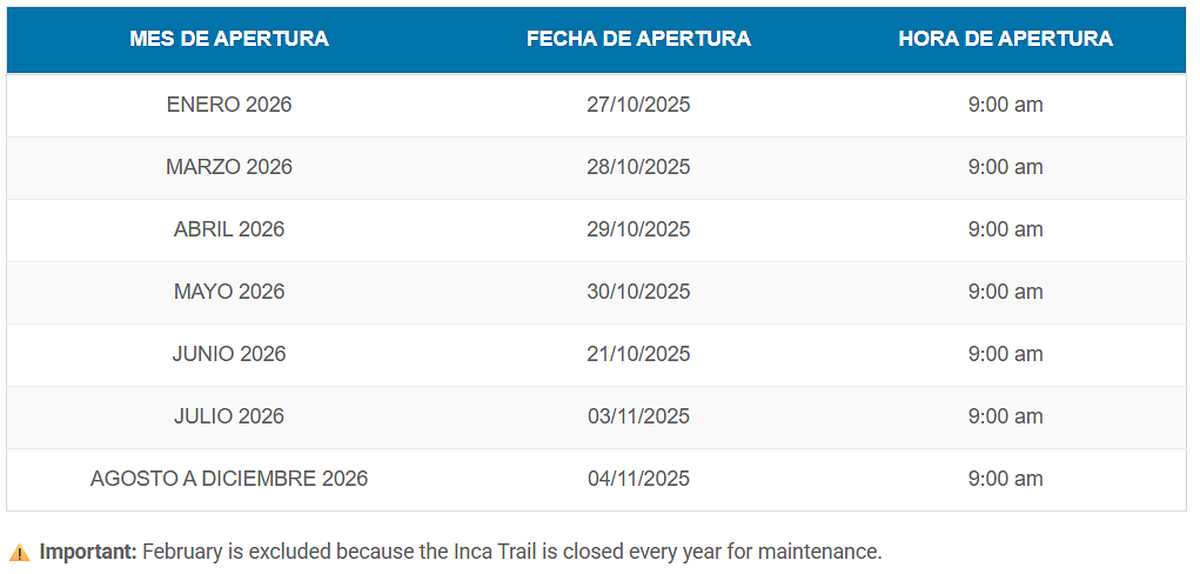
Looking ahead to 2026, demand patterns suggest that travelers are booking earlier and seeking more transparency about availability. This shift has several implications:
- Longer planning cycles: Permits are no longer a last-minute consideration.
- Higher expectations: Travelers expect clear, accurate information about regulations and timelines.
- Greater responsibility for operators: Local companies play a key role in educating clients before they arrive in Peru.
Managing these expectations requires close coordination with authorities, careful capacity planning, and honest communication when permits are unavailable.
The Role of Local Operators in Permit Management
Licensed local operators act as intermediaries between travelers and the regulatory system. This role goes far beyond securing permits:
- Verifying traveler information accurately
- Ensuring compliance with official regulations
- Coordinating logistics that minimize environmental impact
- Educating visitors on trail etiquette and cultural respect
Based on our experience operating multi-day treks on the Inca Trail, clarity around how permits work is one of the most effective ways to reduce frustration and build trust. For this reason, we place strong emphasis on sharing up-to-date, factual information about permit availability and rules, such as in our detailed guide on managing Inca Trail permits in Peru.
Sustainability Beyond Compliance
Permit management is often discussed in operational terms, but its broader impact is sustainability. Limiting numbers allows for:
- Proper maintenance of trails and archaeological sites
- Fair working conditions for guides and porters
- Reduced pressure on surrounding communities
When implemented correctly, the permit system benefits not only travelers but also local economies and future generations.
Industry Collaboration and Shared Responsibility
As demand for adventure travel continues to rise, collaboration within the industry becomes more important. Tour operators, associations, and regulatory bodies must work together to ensure that growth does not come at the expense of heritage or environmental integrity.
Platforms like the Adventure Travel Trade Association play a key role in fostering dialogue and sharing best practices. By exchanging real-world insights from destinations like the Inca Trail, the industry can collectively move toward more responsible and resilient models of adventure tourism.
Looking Forward
The challenge for 2026 and beyond is balance: maintaining access while protecting what makes the Inca Trail extraordinary. Local operators, when empowered and held to high standards, are uniquely positioned to support this balance through responsible permit management, education, and transparent communication.
For the Inca Trail, sustainability is not a trend—it is a necessity.