Editor's note: this article is based on a blog post from KMS Travel Chile, and content is used with permission. For a deeper look at the topic, please read the original article.
As adventure travel increasingly seeks authentic cultural meaning, Chile’s Indigenous heritage is gaining attention not just as background context but as a central travel narrative. This shift enriches experiences from the high Andes to Easter Island, while also raising questions about representation, rights, and sustainable engagement.
Long before the modern Chilean state and its internationally celebrated landscapes, from the Atacama Desert to Patagonia’s fjords, a tapestry of Indigenous societies defined this land and shaped how people lived, moved, and understood place. Today, that cultural legacy is far from static. It continues to influence daily life, local identity, and the way visitors connect with Chile’s people and places.
Layers of History Across Chile’s Landscapes
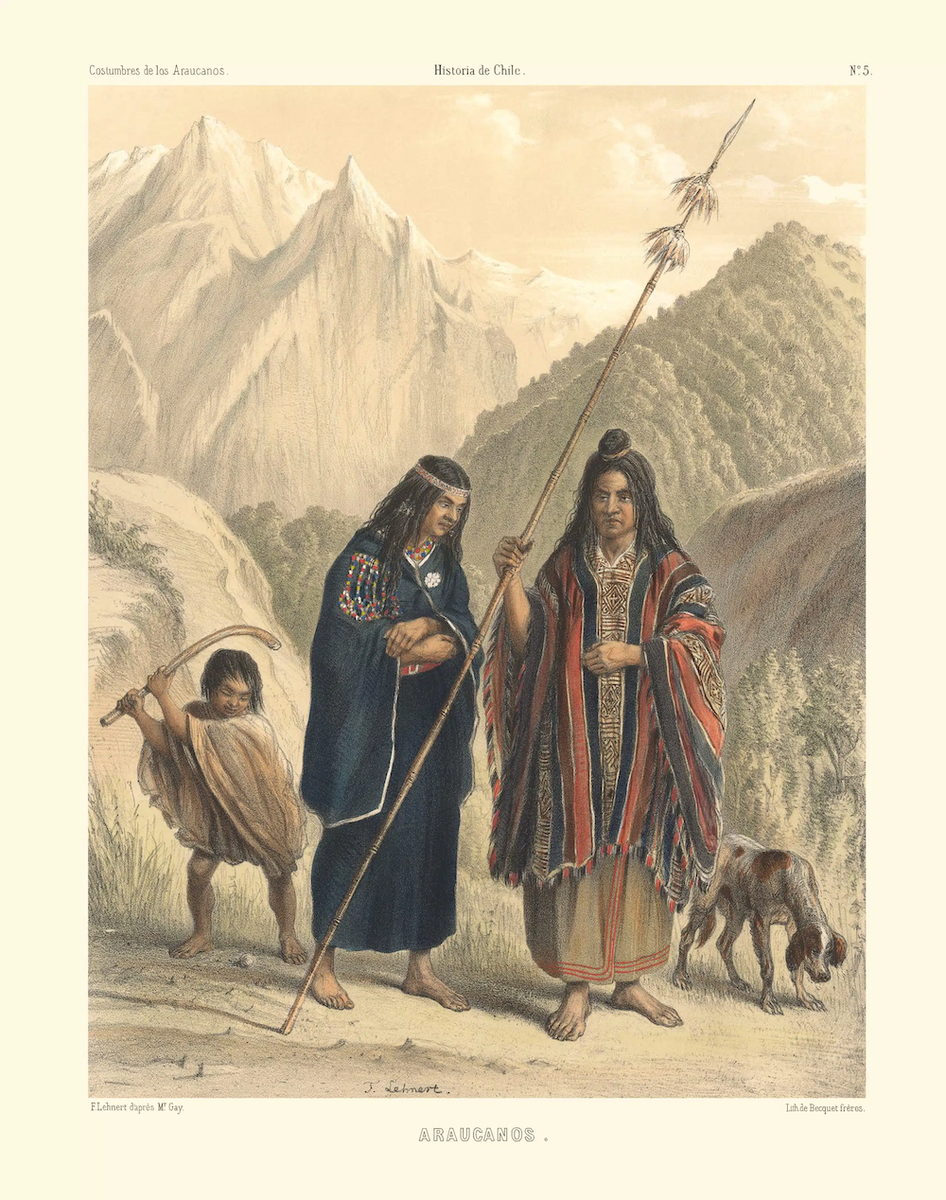
Chile officially recognizes 11 Indigenous groups, ranging from the high-plateau Aymara in the far north to the Polynesian Rapa Nui of Easter Island in the Pacific. The Mapuche, the largest Indigenous group both historically and today, are central to the country’s cultural fabric. Their presence stretches from the central valley southward, and their language, place names, and practices are woven into regional life and speech.
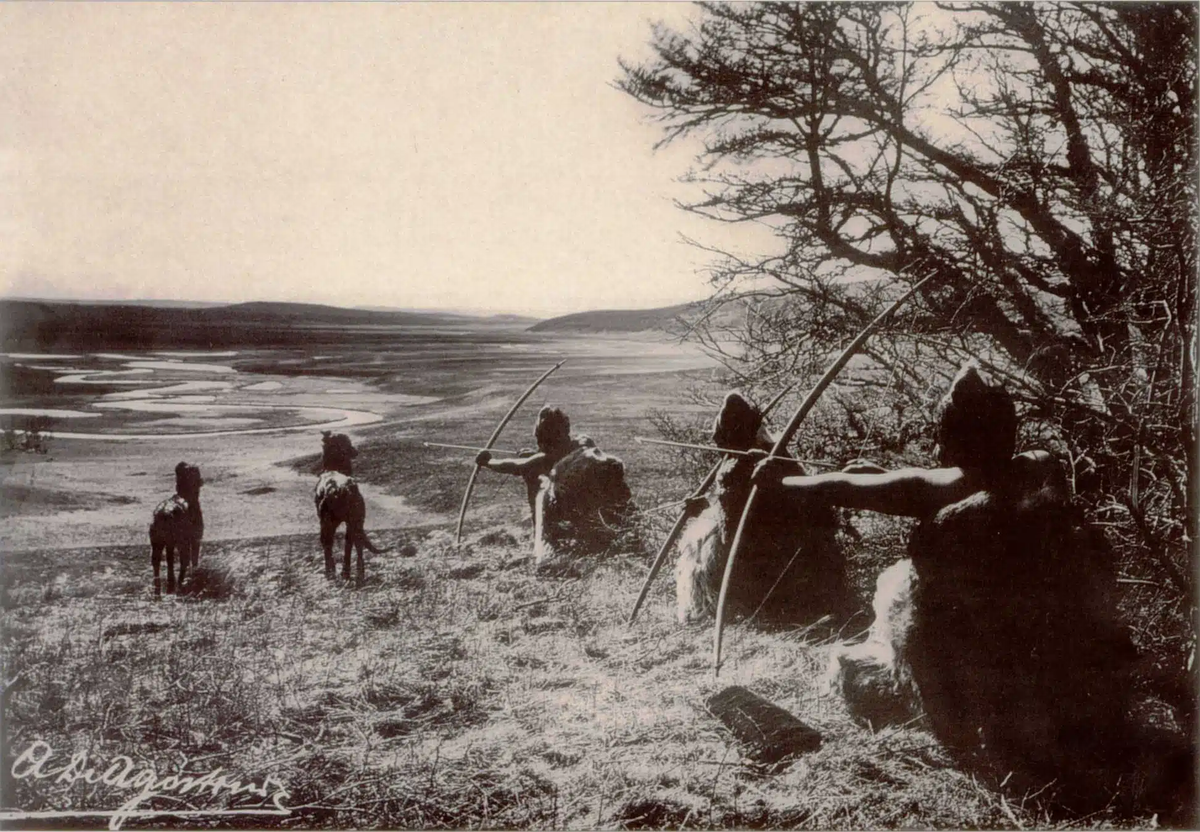
But Indigenous Chile is more than the Mapuche. In the northern Andes, Aymara and Quechua traditions continue to inform agriculture, foodways, and community life. In the Atacama Desert, Atacameño, also known as Lickan Antai, peoples developed sophisticated adaptations to extreme aridity. That knowledge is now embedded in both local identity and the storytelling of desert excursions. Along the rugged channel coasts of Patagonia, Kawésqar and Yagán cultures historically navigated intricate waterways, while in Tierra del Fuego, the Selk’nam people adapted to one of the world’s harshest climates.
At the eastern edge of the Pacific, Rapa Nui culture flourished in remarkable isolation, crafting the monumental moai statues that have become global icons and anchoring a tourism economy built on ancestral landscapes.
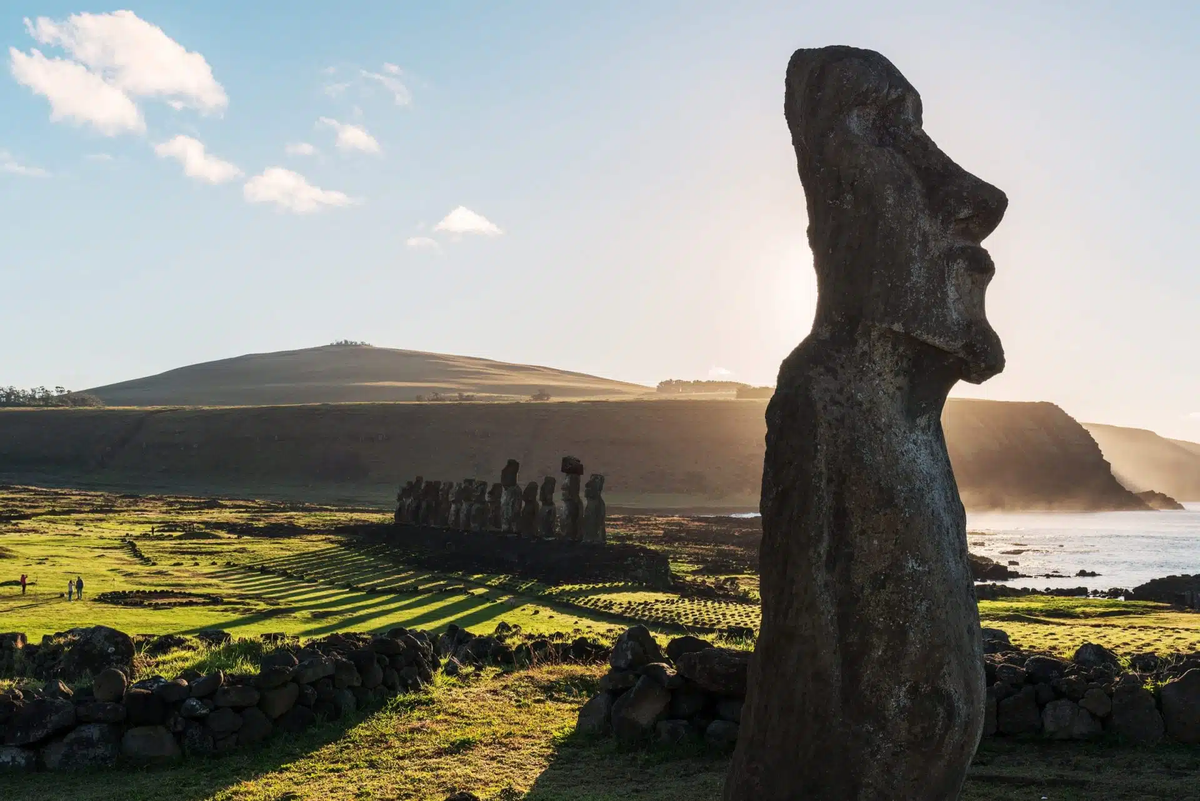
For adventure tourism, from cultural trekking circuits through Indigenous territories to immersive experiences on Rapa Nui, this cultural biodiversity is an asset that differentiates Chile in a crowded Latin American market.
From Cultural Backdrop to Tourism Narrative
Chile’s Indigenous heritage has increasingly become a focus of tourism development. The national tourism authority promotes “etnoturismo,” or Indigenous cultural tourism, as a way to deepen visitor engagement while supporting community visibility and economic opportunity.
For travelers who want more than a view from a trail or a photograph alongside a moai, experiences that foreground Indigenous traditions such as participating in Aymara agricultural practices, understanding Mapuche forest knowledge, or learning about Rapa Nui cosmology are gaining traction. Industry insiders say that such programming satisfies the modern adventure traveler’s appetite for meaning, connection, and cross-cultural exchange.
These experiences are not merely add-ons. They provide interpretive depth that can transform a scenic itinerary into a journey of discovery, aligning with trends toward community-focused, responsible tourism.
Economic Potential Meets Complex Realities
While Indigenous cultural tourism offers revenue streams for communities and diversification for operators, it also brings complex socio-political questions. Chile is unique in Latin America for not yet recognizing Indigenous peoples in its constitution, a fact that critics say complicates legal rights and territorial claims. Land rights, cultural autonomy, and political representation remain active issues in many regions.
Recent reporting highlights how Mapuche communities, in particular, are navigating tense interactions with national politics, with some fearing regression under a more hard-line political environment and increased security responses. These realities underscore that Indigenous tourism must be rooted in respect, consent, and equitable benefit-sharing, rather than commodification of cultural symbols or selective storytelling.
Language, Memory, and Living Culture
Another subtle but critical aspect for tourism is the continuity and fragility of Indigenous languages and intangible heritage. For example, Mapudungun, the language of the Mapuche, remains a vital cultural tool, yet it faces pressures from dominant language use and uneven policy support.
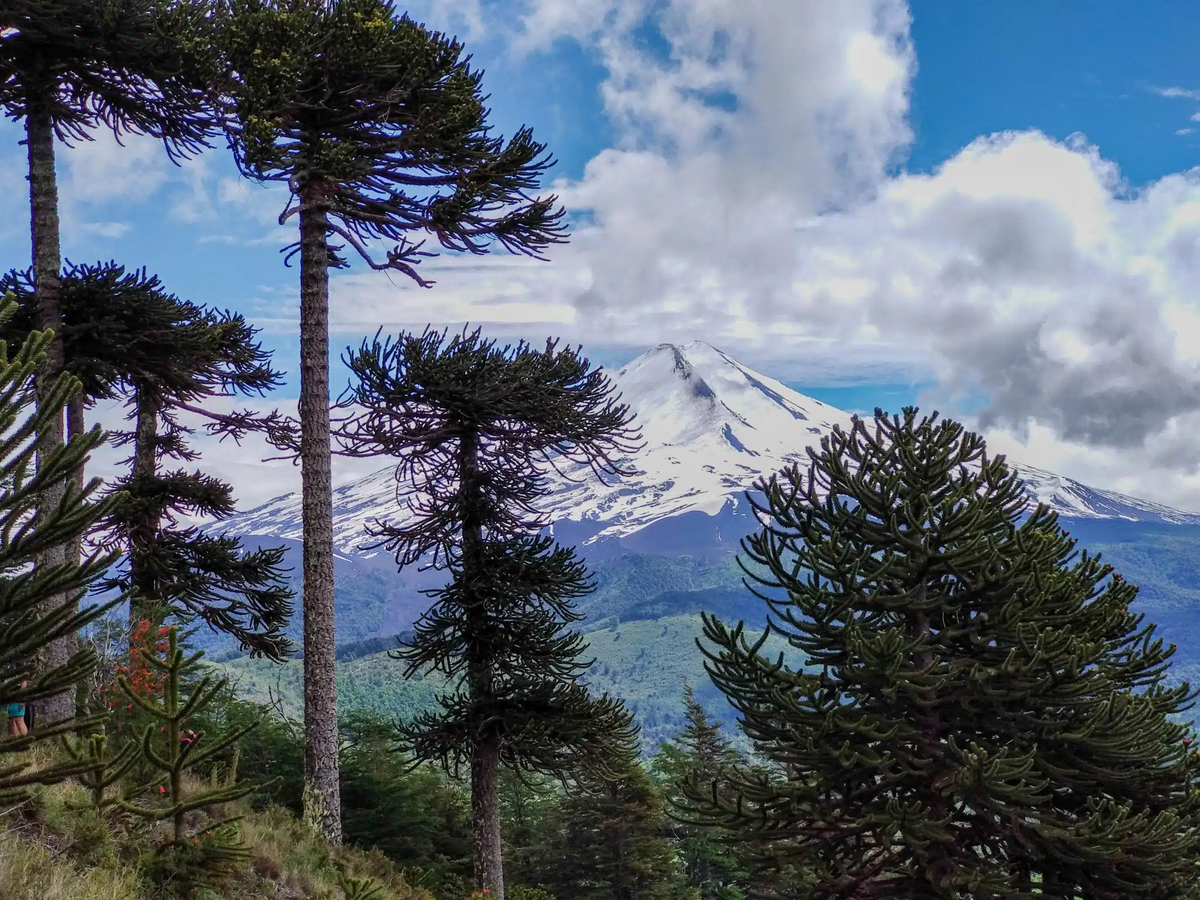
Adventure travel experiences that emphasize language learning, storytelling, or music rather than only visual spectacle help challenge stereotypes and support community self-representation. In this way, tourism becomes a partner in cultural resilience rather than simply a stage for performance.
Operators Leading With Respect
Some tour operators are already distinguishing themselves by co-creating itineraries with Indigenous communities, ensuring that local voices shape how culture is presented and protected. This includes community-led hikes, culinary exchanges, craft workshops, and ceremonial experiences where consent and compensation are central.
For example, travelers in northern Chile might visit Aymara families involved in quinoa cultivation or learn desert survival skills through Indigenous guides. These experiences prioritize knowledge exchange over commodification. Similarly, on Rapa Nui, community stewards are increasingly involved in guiding conversations about heritage interpretation to balance tourism with cultural integrity.
A Broader Narrative for Chile Travel
Adventure travel thrives on stories that resonate, and Chile’s Indigenous heritage offers layers of narrative that enrich typical nature-based itineraries. When travelers understand that the landscapes they traverse, including volcanoes, deserts, fjords, and ocean realms, are not only ecological wonders but also cultural landscapes shaped by millennia of human adaptation, the travel experience deepens.
This approach aligns with larger trends in the sector toward meaningful, slow, and community-engaged travel, where learning, respect, and reciprocity are as important as seeing a site.
Looking Forward: Ethical Engagement and Shared Benefits
As Chile continues to evolve legally and socially around recognition and rights for Indigenous peoples, the adventure travel industry has an opportunity and a responsibility to support ethical engagement that benefits both travelers and communities.
That means investing in co-development of experiences, advocating for fair policy environments, and sharing benefits in ways that respect autonomy and cultural transmission. In the words of one Indigenous tourism promoter, meaningful travel is not about extracting stories; it is about participating in ongoing ones.
For travel professionals and adventure seekers alike, Chile’s Indigenous cultures are not just elements of the past. They are living, evolving traditions that invite visitors to deepen their understanding of place and people. In doing so, the industry can help shift tourism from spectacle to shared human encounter, a value proposition that resonates with today’s most conscious travelers.