
“Overtourism” became nearly synonymous with Barcelona last summer after years of residents’ mounting frustration culminated in a wave of high-profile protests. And this situation is not isolated—it is the manifestation of a forewarned fate of many urban hotspots around Europe. It’s clear that in these cities, it is nearly impossible to stop the flow of tourism. So, what’s next?
The protests in Barcelona were met with some success: plans to return short term accommodation to residential properties, increase the nightly visitor tax, limit tour group sizes, and cap cruise ship arrivals. But policy is only half the story.
To address the other half, destinations need to consider how to shape demand, not just control access. That involves shifting communications away from mass marketing. But simply cutting off campaigns focused on overtouristed cities won’t do the trick in the modern era when millions of visitors have the freedom to post travel content leading to viral itineraries and “best of” lists. The destination itself needs to draw attention to alternative experiences that align with their values and goals.
Imbalance in Visitor Distribution
The regions surrounding popular urban centers often have a much different tourism story.
Barcelona, for example, lies within the autonomous community of Catalonia. Catalonia has a distinctive identity, with its own language, world class cuisine, and still-standing 10th century churches. Despite shaping the cultural foundation of what draws travelers to urban hotspots, surrounding rural regions like greater Catalonia are often under-visited, with local economies that could benefit from more thoughtful, year-round tourism.
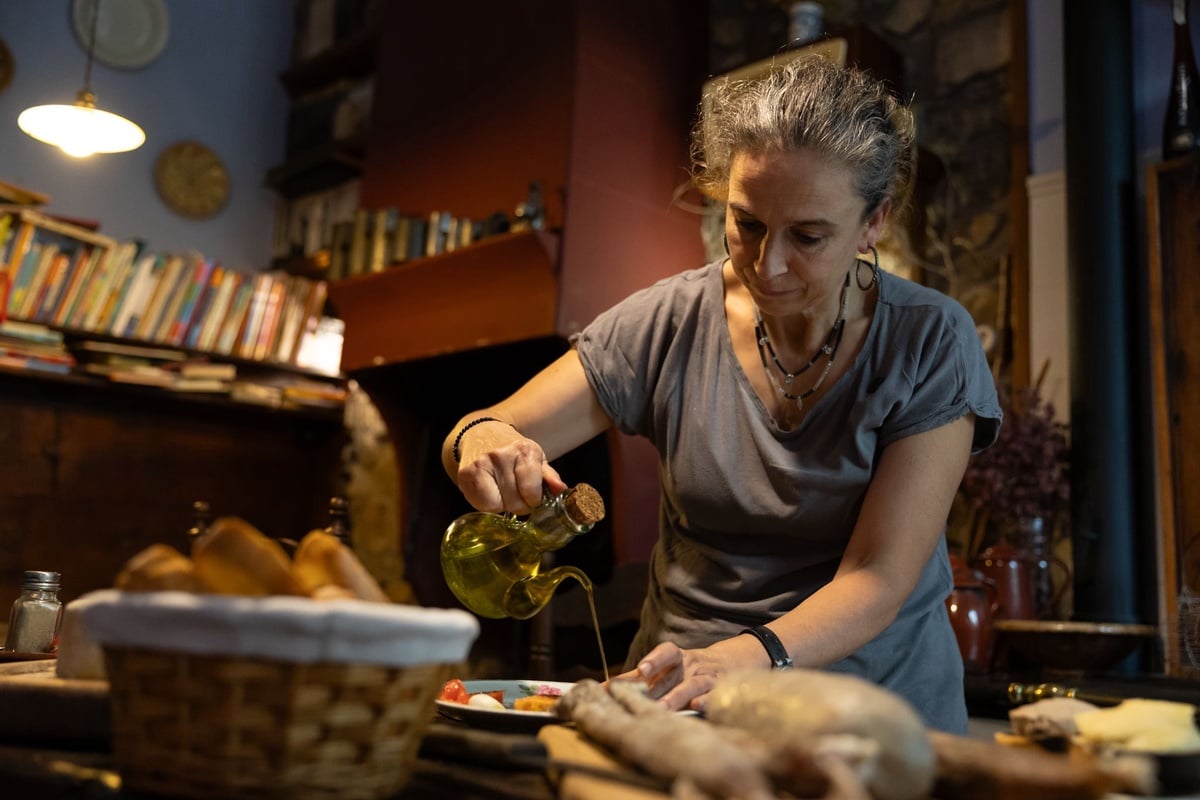
This imbalance presents an opportunity. If destinations can actively guide demand—rather than simply reacting to it—they can create a more equitable distribution of visitors while offering travelers deeper, more meaningful experiences.
But shifting demand is not as simple as redirecting attention. Without careful strategy, dispersal efforts can replicate the same patterns of overconcentration in new places. This is where storytelling becomes critical.
The Case of Catalonia
In 2025, the Catalan Tourist Board embarked on multiple image campaigns showcasing towns and experiences dispersed throughout the region. In partnership with Visit Pirineus, the destination enlisted the help of GLP Films to craft stories on the mountainous region stretching from the Aran Valley’s French border to Spain’s Mediterranean coast.
We tied together one story to tell a regional narrative specific to the Catalan Pyrenees. There is power in a regional story: in lifting up small towns as part of a whole, and in giving travelers a framework—a way to understand not just where they are going, but how to move through a place. In the Catalan Pyrenees, where moving from one stop to the next requires winding up and down mountain peaks and valley roads, it was the story of a unique kind of slow travel.
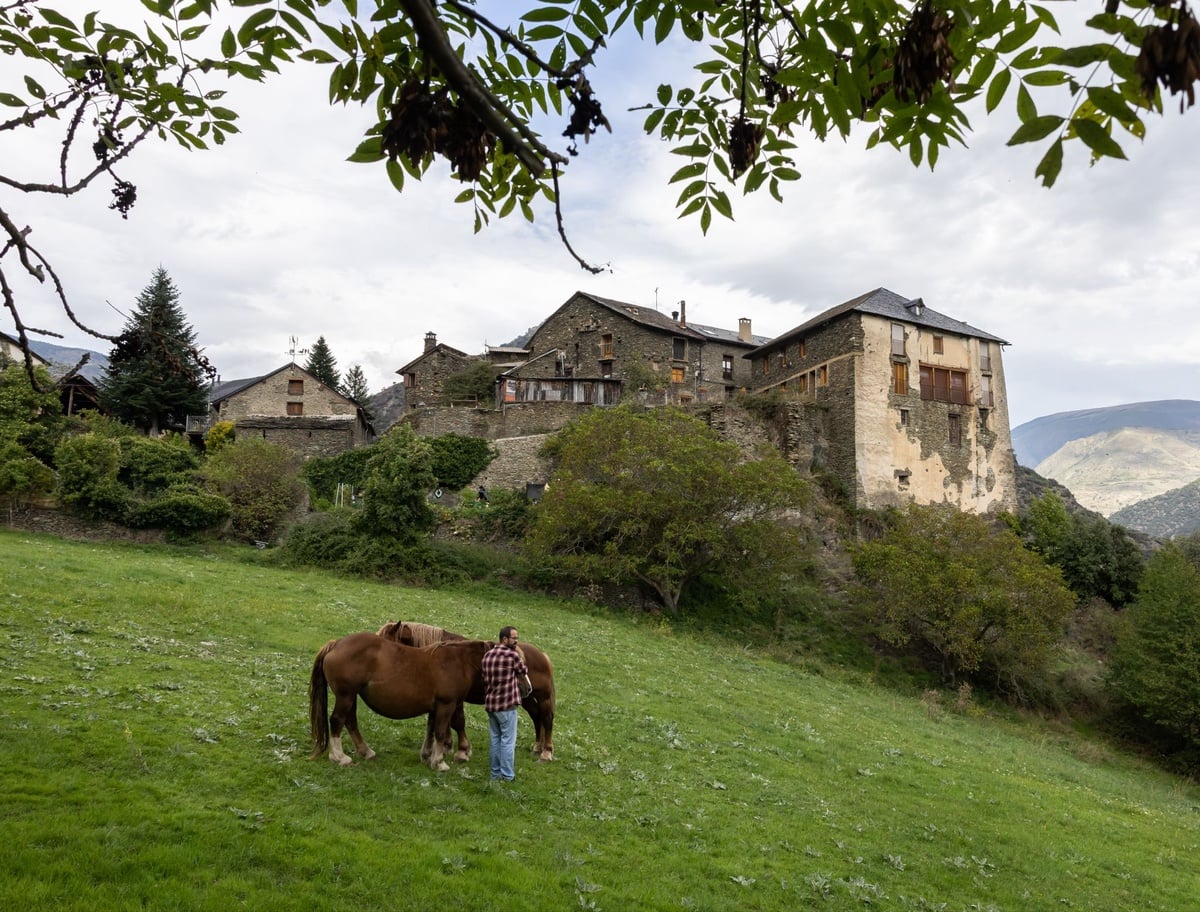
“We don't do things slowly here, we do them a plaeret,” said Mireia Font, founder of the guesthouse Casa Leonardo. “It means doing things with pleasure, with love, and little by little, enjoying them.”
Building the destination story around this sentiment, which comes from the local language and lived experience, created an invitation directed at travelers who want to experience this local rhythm.
Through this lens, we zoomed in, telling the stories of individual places and experiences that give life to the broader narrative. The regional story opens the door, and the specificity of place gives travelers a reason to step through it.
Regional Dispersal
Zooming into the central Pyrenees, we found an abundance of undervisited villages, each with a unique character and offering.
Pepo Foz, owner of the travel agency Outdoor Adventour, has been guiding adventure travelers here for more than 30 years. Living in a mountain village of only 12 people, he sees the direct economic impact of tourism.
“If I didn't work in tourism, there would probably be less people [in the village]—maybe only two or three. So we've basically kept a village alive thanks to tourism,” said Pepo, who has seen nearby villages become lost as residents move to bigger cities in search of employment. “On the other hand, we have to maintain and care for it very well, because we all know that poorly managed tourism can be something that doesn't do the area any favors,” said Pepo.
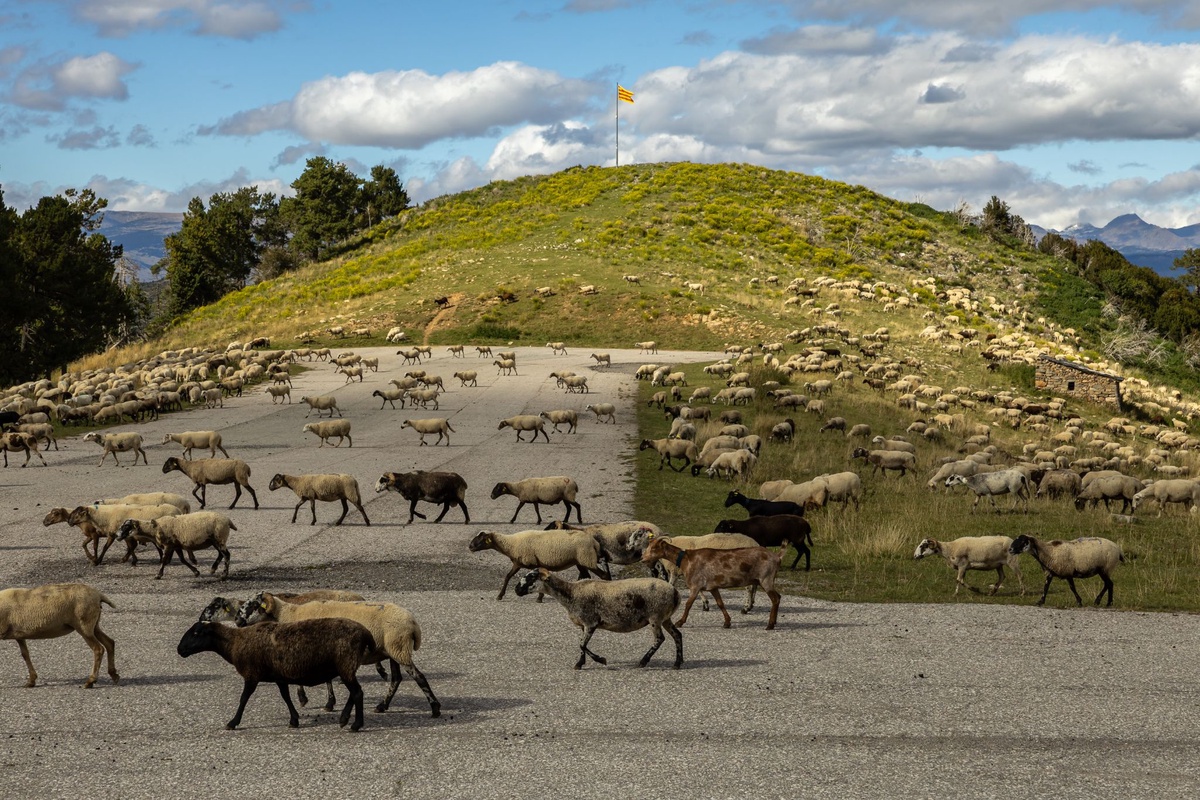
Pepo’s model mirrors a strategic storytelling goal: bring just enough attention to a place to sustain livelihoods, while also sustaining the integrity of the place. Good storytelling does this by being specific and thoughtful in ways that will connect with the travelers who share locals' values.
Off-Season Stories
Focused substories alongside a regional narrative are not only to promote dispersal, but also to address individual subregional challenges. In Val d’Aran, the northwest corner of the Catalan Pyrenees, the challenge is seasonal imbalance. Long known as a ski destination, the region experiences an intense winter peak followed by a dramatic drop-off, leaving local businesses and communities in a cycle of high pressure and low stability.
Rather than reinforcing what the destination was already known for, GLP’s storytelling focused on what travelers weren’t seeing: the spring and summer seasons, when the landscape opens up in entirely different ways.
Local nature guide Sara Arjo’s guiding approach has valuable lessons: “In the end, it is this emotion that connects a person to a place, a territory, a species. So I try to find those small things that connect your personal stories to what is happening around you, things we often don't see,” said Sara.
More than a Day Trip
In Costa Brava, where the Pyrenees descend into the Mediterranean Sea, storytelling needed to solve a different challenge. Just an hour outside of Barcelona, some coastal spots in this region have already been a stopping point for day trip visitors on package tours.
So we stepped away from the known beach offering, showing instead cycling routes, via ferratas, and the lesser-known wine region of Empordà.
When speaking about economic and environmental sustainability, local winery owner Anna Espelt said, “our main obstacle to sustainability being real is there being meaningful communication and the urban part of society understanding the rural realities better, because they're the ones who can make the real changes.”
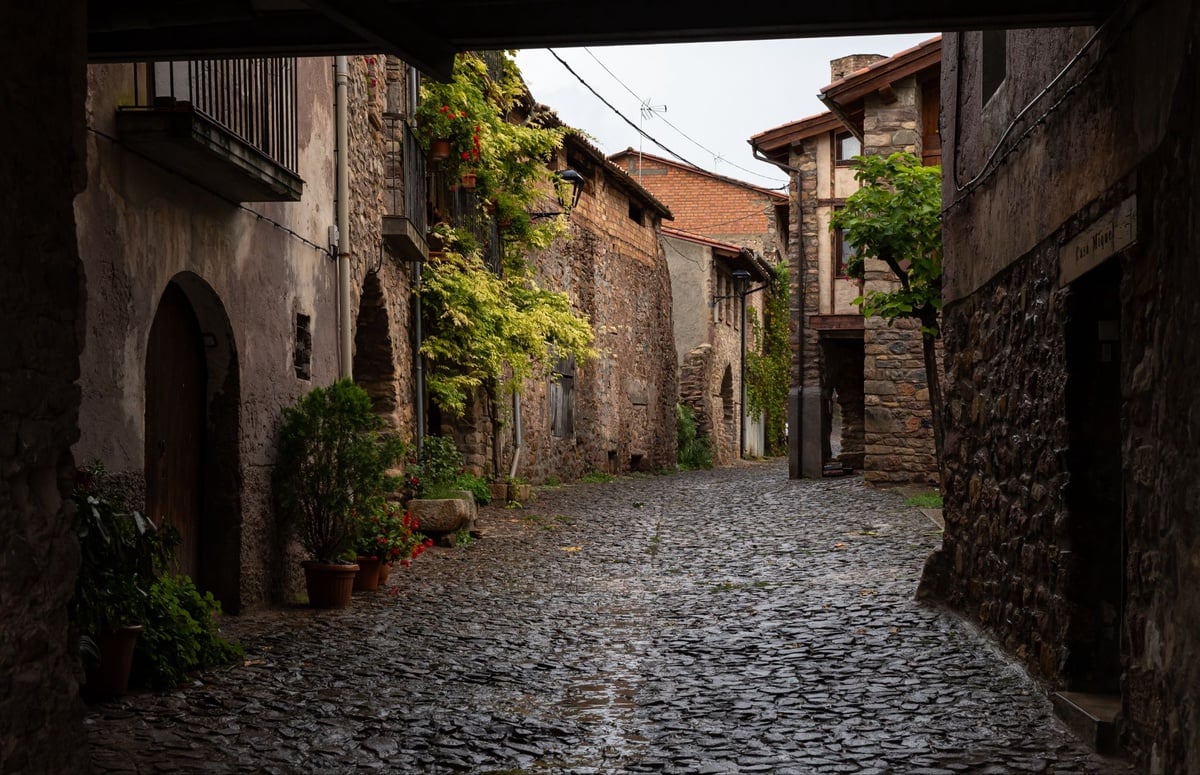
Her point underscores a key dynamic: when places are framed as add-ons, they are consumed that way. But when storytelling positions them as destinations in their own right, it invites a different kind of behavior—longer stays, deeper connection, and more meaningful economic impact.
Storytelling to Reshape Demand
For regions like Catalonia that would have the capacity to accommodate the visitors they receive if those visitors were distributed differently, making alternative experiences and routes more known is a logical step. But doing so through strategic, locally informed storytelling is what can actually reshape demand in a way that is sustainable. Crafting a regional story using the voices of people who live and work in the destination ensures that the campaign “hook” actually resonates with the community goals. And crafting substories further invites travelers into the reality of the destination while ensuring strategic and careful consideration of individual challenges like regional dispersal, seasonal imbalance, and longer stays.
Trade Activation
Storytelling is not only about destination to consumer communication, but also for aligning travel trade on the types of visitors you want to see in your place.
The Catalan Tourist Board is teaming up with ATTA to host this year’s Adventure Elevate Europe in Val d’Aran from May 19 to 21st. Focused on the theme “The Art of Balance,” the event will further explore how expanding experiences into rural, coastal, and mountain areas can address overtourism with a conscious approach to destination management. Register here to join us!
About GLP Films
GLP Films (GLP), is an award-winning, full-service content marketing agency dedicated to sustainable tourism. As trusted partners with over 15 years of industry experience, we work with mission-based brands and destinations to strategically craft impactful storytelling and marketing campaigns that inspire travelers, engage trade, and drive positive change. Our stories are crafted to help our clients reach their goals centered around stewardship, sustainability, conservation, and nature-based climate solutions.
Recently voted the Regenerative Storyteller of the Year (2023) by Regenerative Travel, and the #1 Storytelling Agency by Newsweek Magazine, our team thrives on helping destinations succeed as sustainability leaders and pioneers in this exciting new travel era.