
Often described as the ultimate “Brazilian Safari,” the Pantanal offers some of the most spectacular wildlife encounters on the planet. However, for the global adventurer, navigating this ever-changing landscape requires more than just a map; it requires an understanding of the region's pulse. To ensure travelers experience the biome at its peak, PlanetaEXO has launched the “Pantanal: Essential Travel Guide.” This handbook provides the strategic clarity needed to explore an ecosystem where rising and receding waters completely redefine the terrain and wildlife sightings month by month.
Below are 10 key takeaways from the e-book that every global adventurer should know before setting foot in Brazil’s wetlands:
1. The Water Cycle is King: The Pantanal is defined by four distinct phases: Rainy (Nov-Dec), Wet (Dec-March), Intermediate (April-June), and Dry (July-Oct). Activities depend entirely on the water levels.
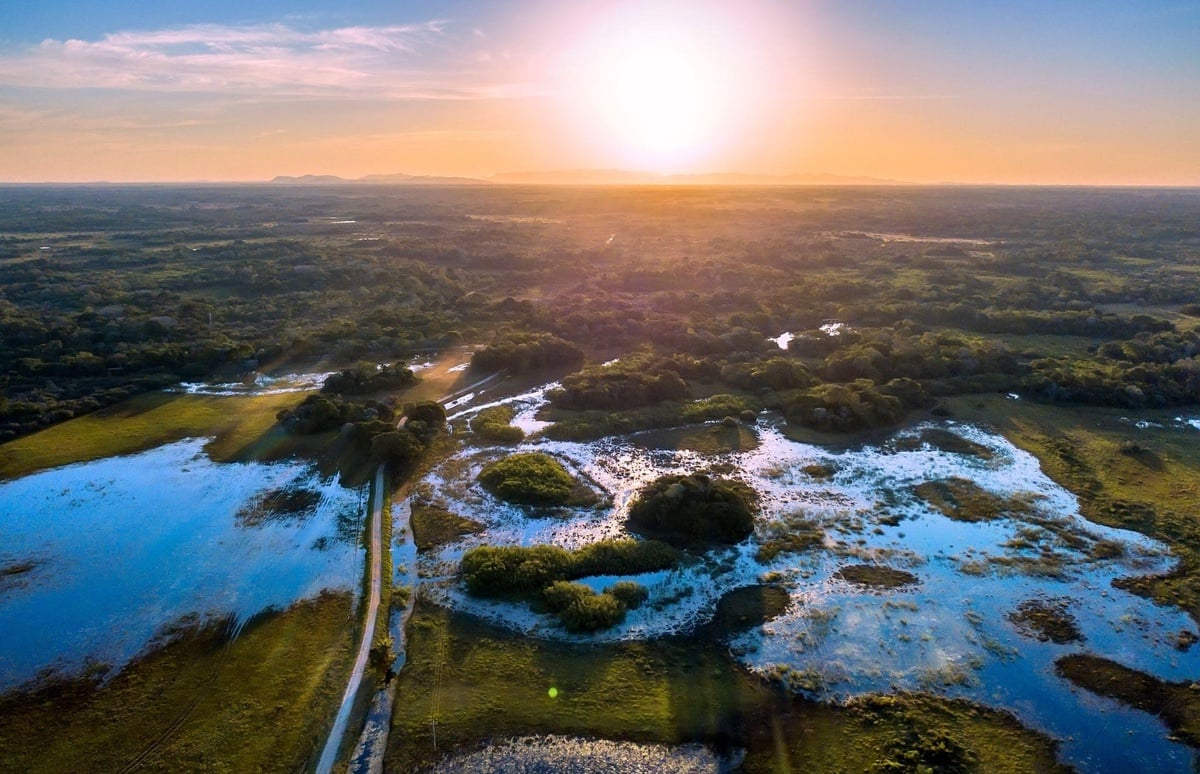
2. August is the Sweet Spot: This month is famous for its stable conditions: clear skies, dry paths, and comfortable temperatures for outdoor exploration.
3. Choose Your Gateway (North vs. South): The North (Cuiabá, Mato Grosso) is the ultimate destination for boat-based jaguar safaris. The South (Campo Grande, Mato Grosso do Sul) offers more open landscapes ideal for land-based safaris and horseback riding.
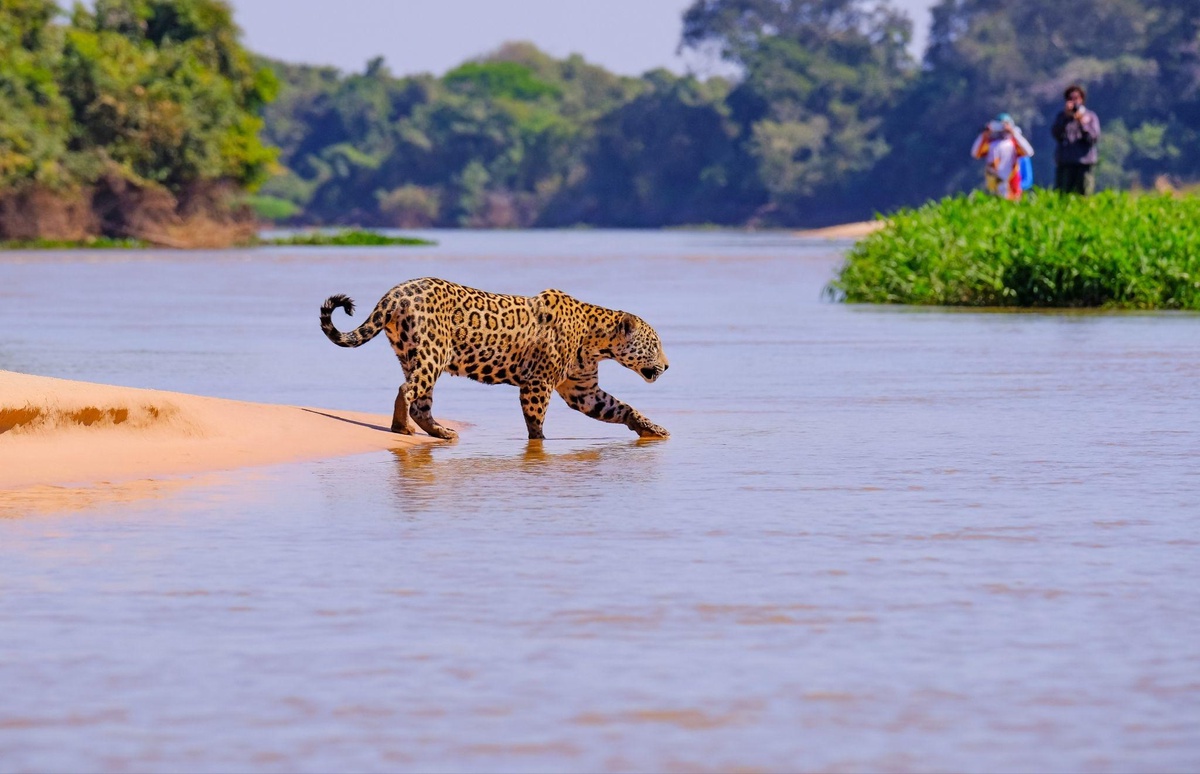
4. Best Time for Jaguars: For the best sightings, visit the North (Porto Jofre/Poconé) during the dry season from July to October. As water sources shrink, jaguars concentrate along riverbanks, making them easier to spot.
5. Logistics and Remote Access: Accessing wilder areas is time-consuming. Reaching remote northern lodges from Cuiabá can take several hours, while transfers to Corumbá in the south can take up to six hours.
6. Pack Smart for Safaris: Use neutral or khaki colors for clothing to blend in. Lightweight, long-sleeved, UV-resistant shirts are recommended to protect against both the sun and mosquitoes.
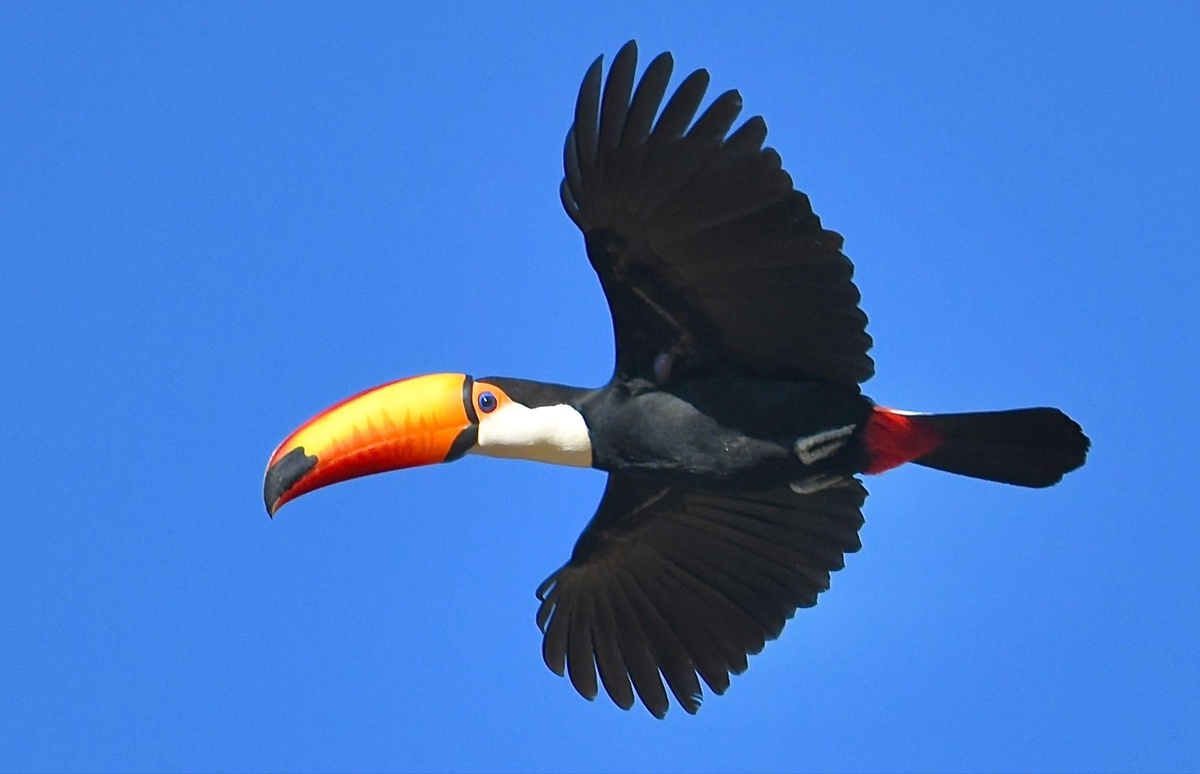
7. A Birdwatcher’s Paradise: During the rainy and wet seasons (Nov-March), hundreds of bird species, including macaws and jabiru storks, thrive in the lush atmosphere.
8. Proper Gear for Wildlife Watching: Binoculars are essential for spotting camouflaged jaguars or distant birds. While smartphones are great for scenery, a camera with a good optical zoom is highly recommended to capture wildlife details from a safe distance.
9. The Transpantaneira Safari: Reaching the North Pantanal involves driving the famous Transpantaneira, a dirt road where wildlife spotting begins before you even reach your lodge.
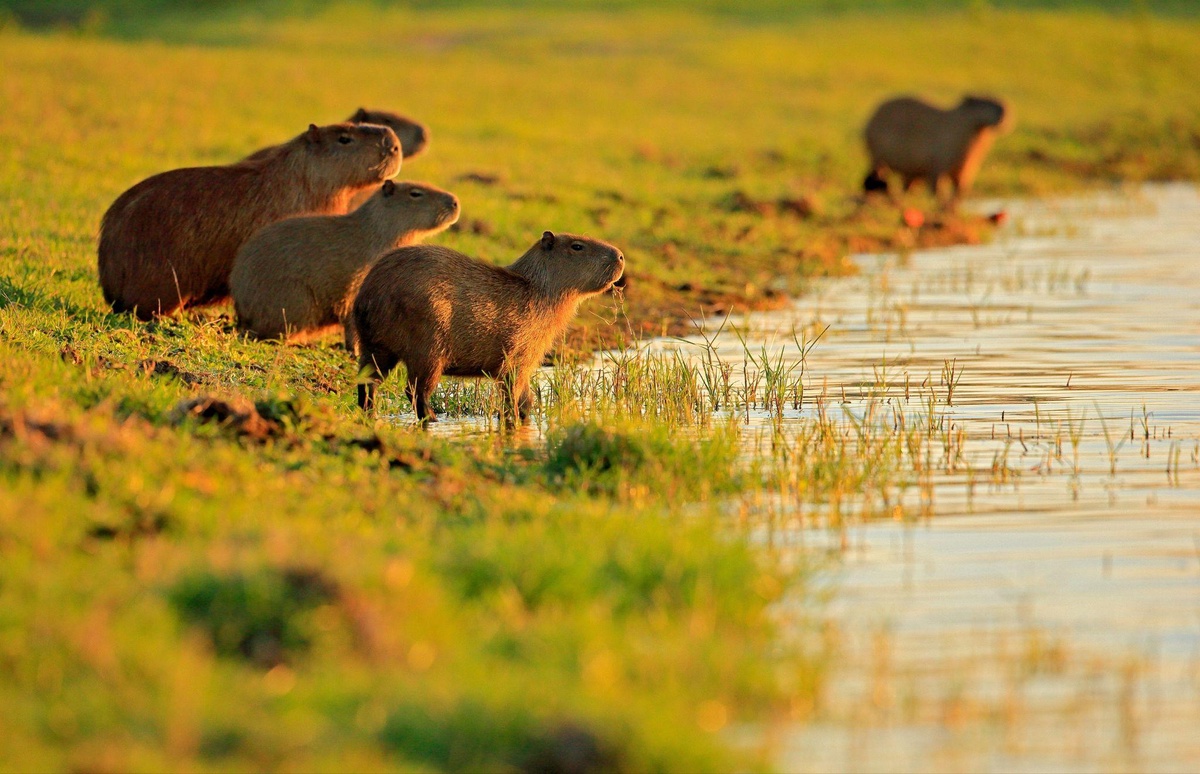
10. Prioritize Pantanal Tours that Power Conservation: Choose experiences that actively contribute to the Pantanal’s protection. Opting for operators that partner with local communities and monitoring projects ensures your visit directly helps preserve the habitat of the species you came to see.
Pantanal: Essential Travel Guide – Everything You Need to Know Before Departing
To help travelers plan with autonomy and responsibility, PlanetaEXO offers a comprehensive digital guide updated with the latest information. The material is a complete resource for exploring the region authentically and sustainably.
The guide covers crucial topics such as the following:
- Wildlife List: Detailed information on the region’s key species, including the jaguar, giant anteater, and hyacinth macaw.
- Seasonal Calendar: A deep dive into rainfall levels and how they transform the landscape month-by-month.
- Logistics & Hubs: How to get there, where to stay, and the practical differences between the Northern and Southern regions.
- Environmental Importance: Insights into why the Pantanal is celebrated as the “kidneys of South America” for its role in filtering water and regulating regional floods.
- Impact Travel: Details on how sustainable ecotourism empowers traditional local partners and supports wildlife protection.
→ Download the free Pantanal Essential Travel Guide here!
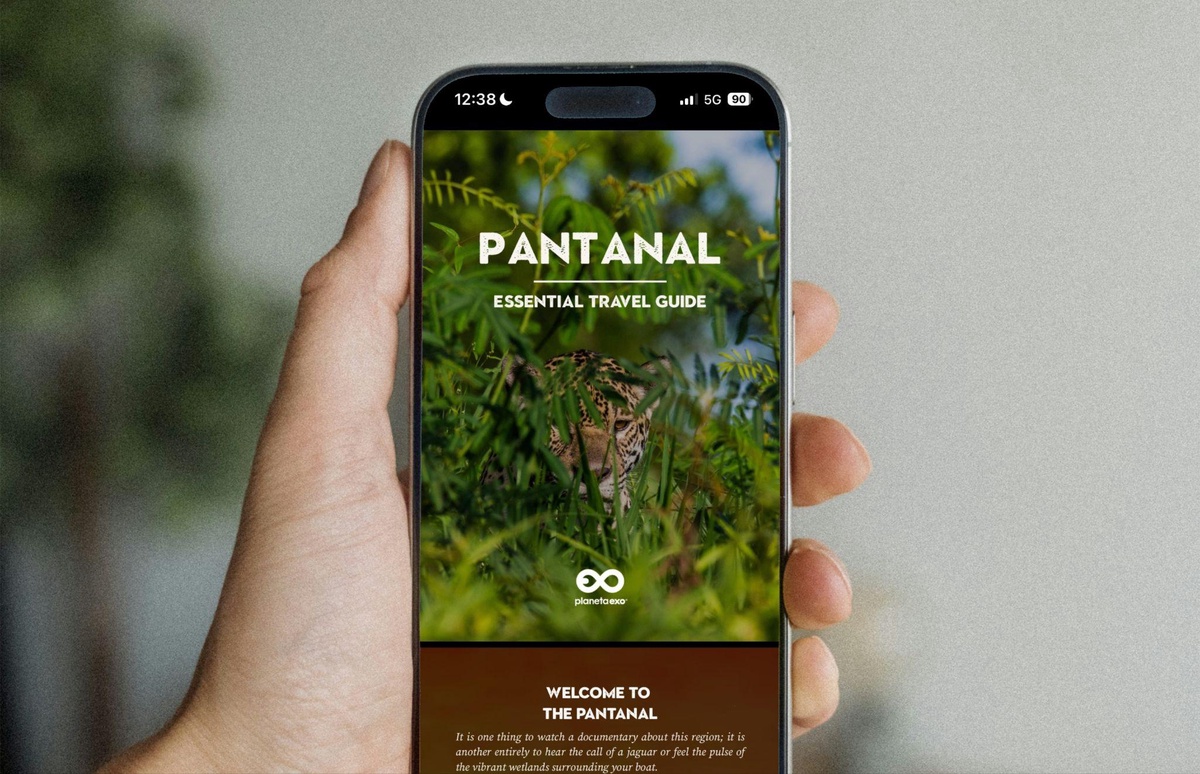
→ Download the free Pantanal Essential Travel Guide here!
About PlanetaEXO
PlanetaEXO is a platform dedicated to responsible ecotourism, connecting travelers to authentic nature experiences while strengthening community initiatives across Brazil. The company operates in partnership with local communities and conservation projects to promote travel that values culture, biodiversity, and sustainability, ensuring that 80% of the value of each reservation goes directly back to local partners and conservation efforts.