
A multi-year partnership between the Adventure Travel Trade Association (ATTA) and the Institute of Tourism of Cabo Verde (ITCV), financed by the World Bank, is helping Cabo Verde emerge as a top adventure tourism destination in Africa.
As part of this effort, ATTA held its first ever AdventureWEEK in Cabo Verde from February 3 to 12, 2026. The 10-day journey welcomed 14 international tour operators and media professionals from 10 countries and introduced participants to Cabo Verde’s growing adventure tourism potential, with a focus on hiking, cultural immersion, community-based experiences and sustainable visitor dispersion across the islands.
According to post-event data from participating international tour operators, the event is expected to generate more than US$7.1 million in visitor spending across the African continent between 2026 and 2028. Survey results also highlight strong market confidence in the destination. 82 per cent of participating tour operators plan to develop new itineraries featuring experiences showcased during AdventureWEEK Cabo Verde, while 64 per cent intend to create additional itineraries beyond those included in the program.
“We accepted this challenging partnership with the Government of Cabo Verde with a key question: can Cabo Verde become a sustainable, world-class hiking destination?” said Gustavo Timo, President of ATTA. “Over the following days, participants gathered plenty of evidence to answer yes, and to see that Cabo Verde is clearly moving in that direction.”
Unlike ATTA’s traditional seven-day AdventureWEEK programs, the Cabo Verde itinerary was extended to 10 days to reflect the country’s island geography and provide participants with a realistic introduction to travelling throughout the archipelago.
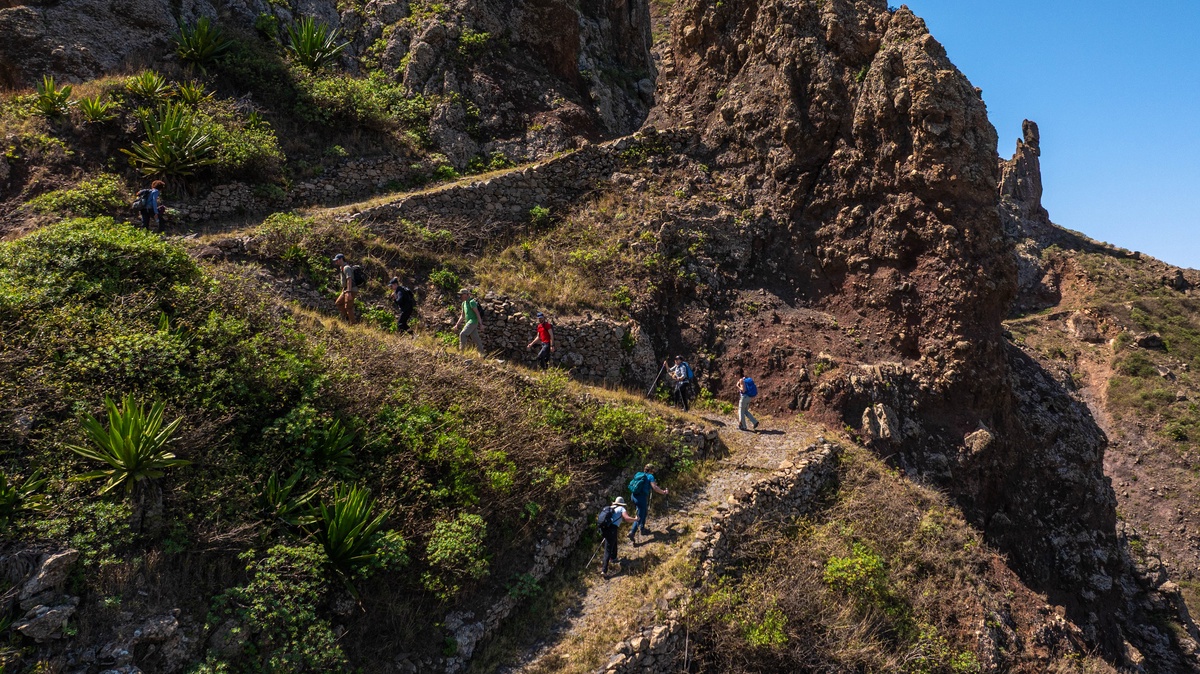
“This country is so diverse that a proper introductory journey simply wouldn’t fit into one week,” said Timo. “We wanted participants to be able to experience the different modes of transportation required for island-hopping, including short flights and ferry crossings, exactly as travellers and locals do.”
Cabo Verde is already well established as a sun-and-beach destination, accounting for nearly 80 per cent of the country’s visitors in 2025. According to the World Bank, Cabo Verde’s economy experienced real GDP growth estimated at 7.3 per cent in 2024 fueled by an increase in tourist arrivals by 16.5 per cent. Through the ATTA–ITCV partnership, the country is working to diversify this tourism economy by highlighting nature-based and cultural experiences across more of the archipelago. The strategy aligns with what ATTA calls the “three Ds”: diversification of traveller profiles, dispersion of visitors across the islands to reduce pressure on heavily visited areas, and deepening experiences through longer stays and closer interaction with local communities.
The results support the broader objectives of the multi-year partnership between ATTA and ITCV, funded through the Resilient Tourism and Blue Economy Development Project, supported by the World Bank, which aims to diversify Cabo Verde’s tourism economy beyond its well-established sun-and-beach market. While beach tourism continues to account for the majority of visitors, the partnership is helping position the destination as a leading adventure tourism destination through product development, international market exposure and capacity building.
Collectively, operators estimate they will bring approximately 505 additional travellers in 2026, increasing to 984 travellers in 2027 and 1,506 travellers in 2028. Based on an estimated average visitor spend of US$2,395 per trip, these travellers are expected to generate more than US$7.1 million in visitor spending over the three-year period.
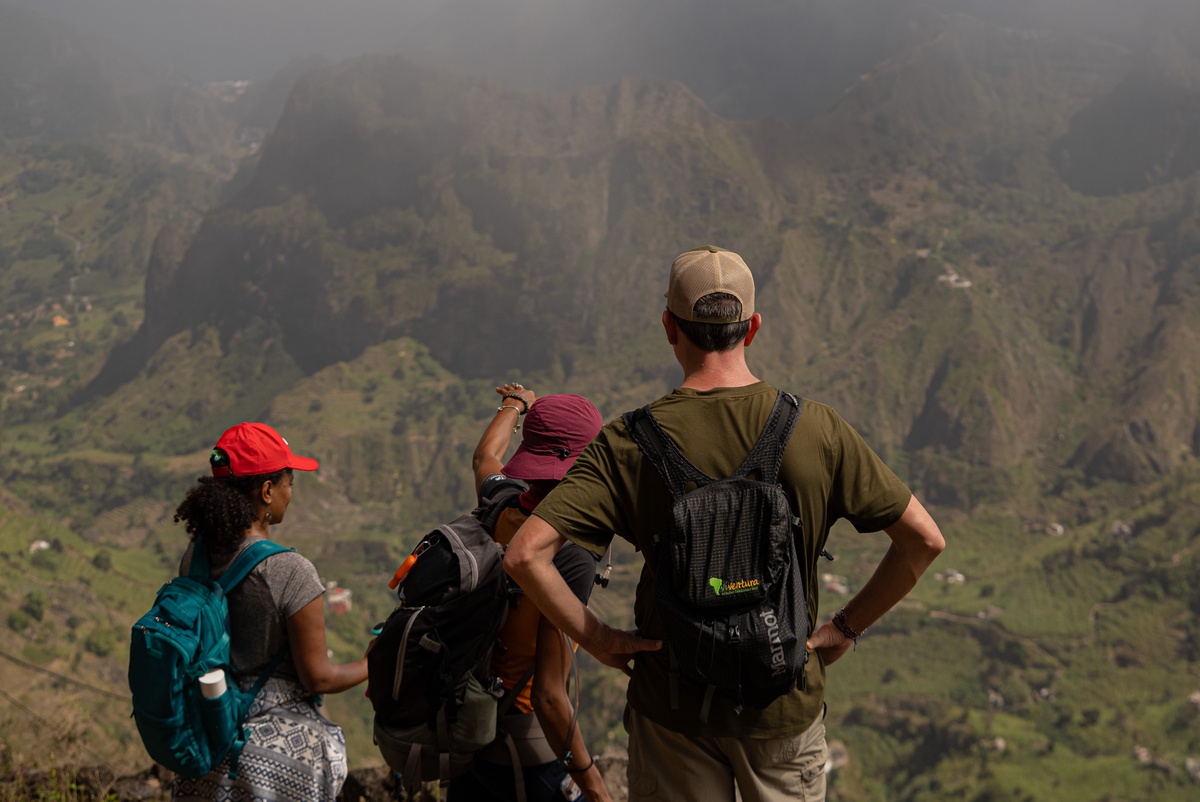
AdventureWEEK also highlighted early outcomes of the partnership’s investment in local tourism development. To date, 80 tourism professionals have completed training programs designed to strengthen the country’s adventure tourism sector, including opportunities to study established hiking destinations such as Portugal's Rota Vicentina. Participants also experienced first-hand the progress being made through local guide training and professional development initiatives.
“We have already trained 80 tourism professionals, and some of them visited the well-developed hiking infrastructure of the Rota Vicentina in Portugal,” said Joel Barbosa, Coordinator of Hiking Tourism at the Cape Verde Tourism Institute.
Barbosa noted that the country continues to work on improvements identified by participants, including stronger flight connections, expanded lodging options, and clearer trail signage.
“ATTA has helped a lot, and we are working hard to get there,” he said.
For ATTA, hosting the first AdventureWEEK in Africa was just a first step in a long-term plan designed to support Cabo Verde’s presence in international markets.
“The initiative is not only about promoting the remarkable adventure experiences found in Cabo Verde’s mountains,” said Timo. “It is about a country investing in adventure tourism to reinvent itself. And now we are all part of that story.”