
Aurora Expeditions has partnered with Thermal Imaging of Polar Ice (TIPI) founder Joe Muise, to bring a new Citizen Science initiative to life onboard its expedition fleet, using thermal imaging technology to help deepen understanding of polar ice and environmental change.
Now fully operational, the initiative makes Aurora Expeditions the first expedition operator to apply thermal imaging technology at scale within an expedition-based Citizen Science program. The project offers expeditioners a powerful new way to visualise temperature, melt and change in polar environments, revealing patterns not visible to the human eye.
The Thermal Imaging of Polar Ice project uses specialised thermal cameras that detect surface temperature differences, allowing ice formations and glaciers to be viewed through heat rather than light. By translating temperature into colour, the imagery provides a striking and accessible way to understand ice dynamics while supporting meaningful scientific observation.
Developed in collaboration with TIPI founder Joe Muise, Aurora Expeditions is working alongside project partners to apply and refine scientific methodology, ensuring the data captured is robust, repeatable and valuable for long-term study. The initiative is delivered onboard by Aurora’s expedition team of glaciologists and Citizen Science Coordinators, with expeditioners actively participating in the collection of imagery throughout each voyage.
“This project allows us to see polar environments in an entirely new way,” said Joe Muise, TIPI founder. “Thermal imaging lets us visualise information that we normally can’t – allowing us to track temperature, melt, and subtle changes in ice. By piloting and strengthening the methodology in real expedition conditions, we’re laying the groundwork for what could become a valuable longitudinal dataset.”
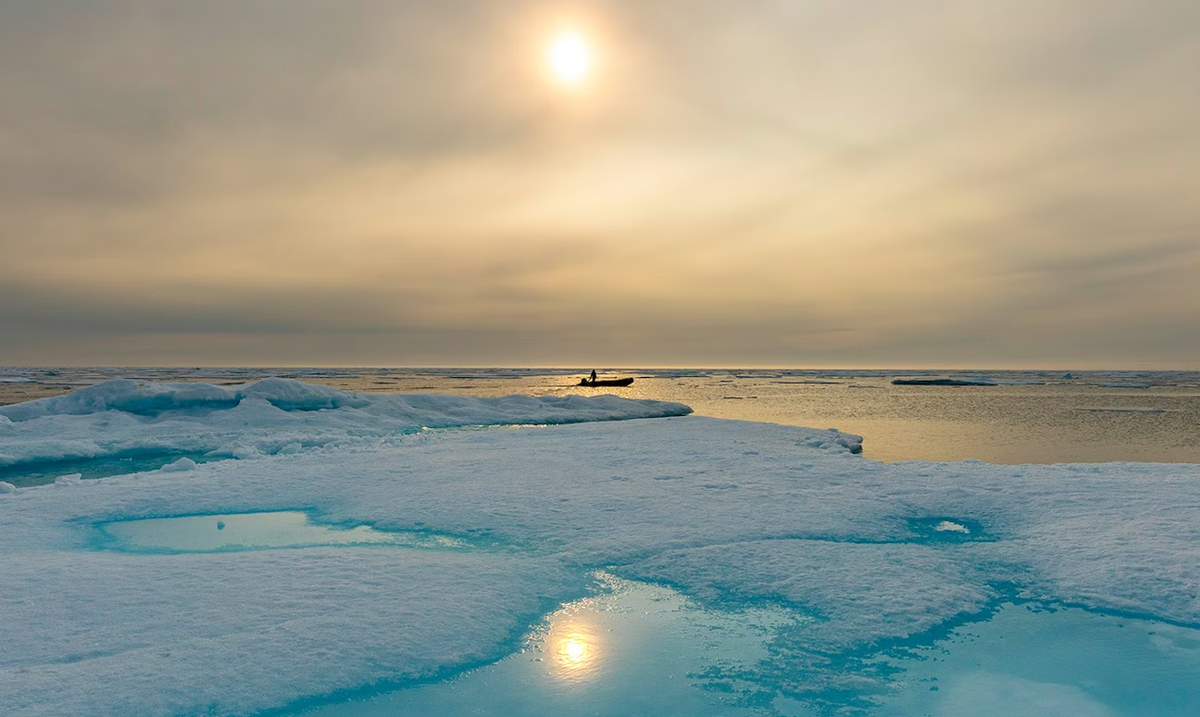
The initiative forms part of Aurora Expeditions’ long-standing commitment to science-led exploration, where expeditioners are encouraged to actively participate in research and develop a deeper understanding of the environments they visit.
“At Aurora, we believe exploration comes with a responsibility to learn, share knowledge and contribute where we can,” said Michael Heath, Chief Executive Officer of Aurora Expeditions. “This collaboration reflects our approach — working alongside experts to help bring greater awareness to environmental change, while giving our expeditioners the opportunity to meaningfully engage with science in the places that matter most.”
With the program now fully operational across the fleet, Aurora Expeditions is actively sharing thermal imagery and findings through its Citizen Science program, supporting ongoing scientific research and reinforcing its approach to expedition travel grounded in education, innovation and environmental responsibility.
For more information, visit www.aurora-expeditions.com