
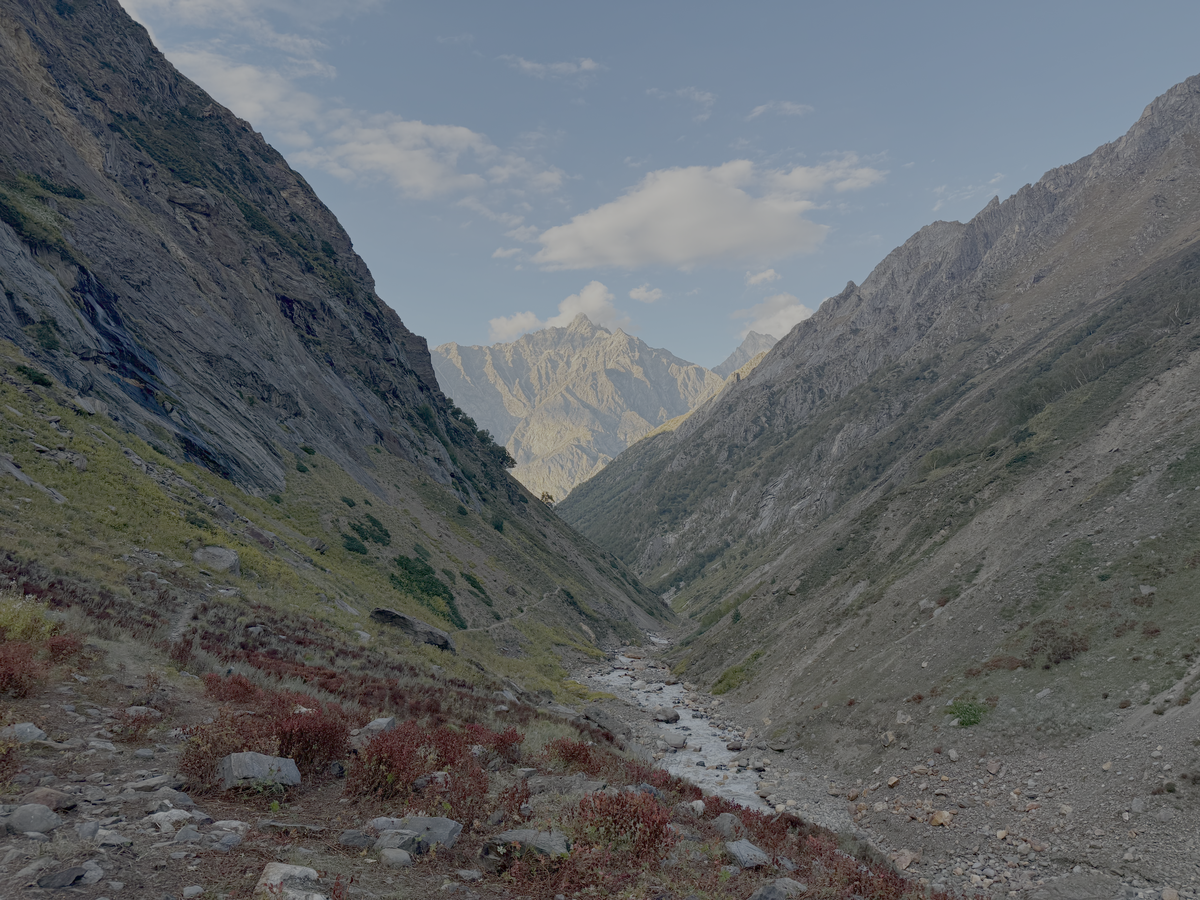
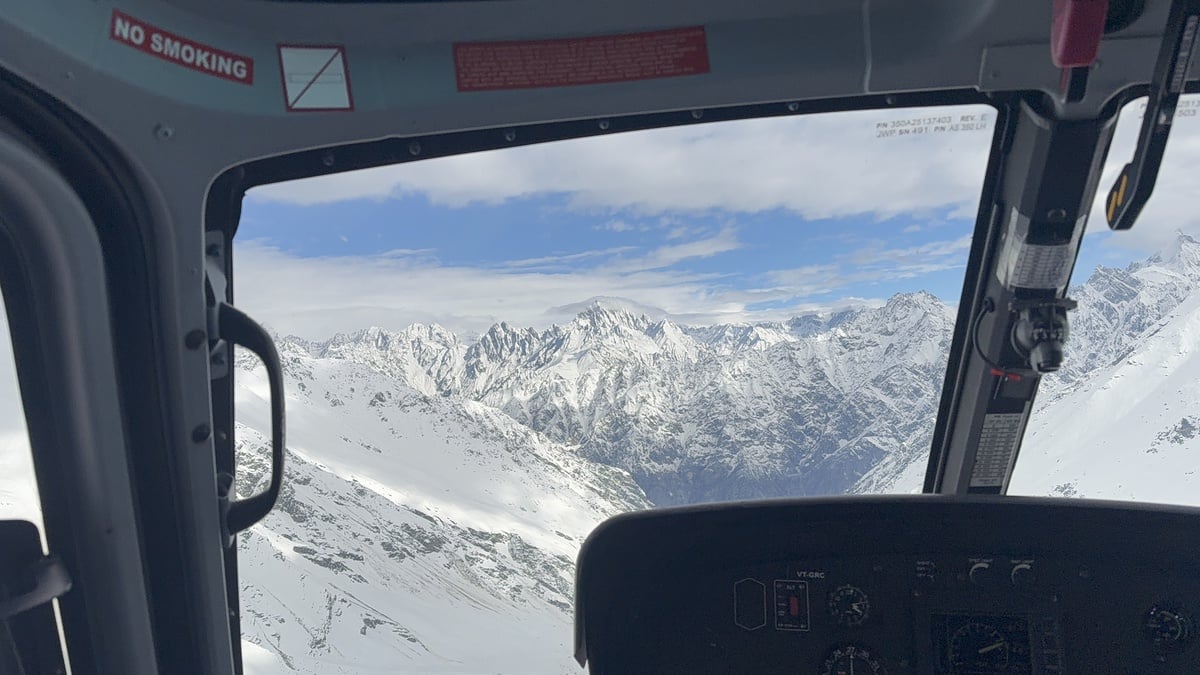
On 28 September 2026, all 29 members of an Aquaterra Adventures expedition were flown off Auden's Col Base Camp in the Garhwal Himalaya of Uttarakhand, India, after more than six feet of snow fell in 48 hours. The group of six clients, guides, kitchen staff and porters had reached base camp at 4,888 metres on 25 September, a day short of the col crossing, when a weather front settled over the Gangotri glacier region and stranded trekking groups across several high passes. Five helicopters moved everyone to Harsil in just over two hours, roughly two and a half hours before weather halted all flying that day. No injuries were reported.
The New Delhi-based operator has since published a detailed case study of the rescue, prepared for the State of Uttarakhand, along with a video timeline of the morning's sorties. "Training, and doing the small things right, each and every time is what counts in adventure travel," said Aquaterra founder Vaibhav Kala.
An Early Decision and a Coordinated Response
Aquaterra's trip leader, Jetandra Rana, halted the col attempt as snow continued and kept the group warm, fed and in regular satellite phone contact with the head office for three nights. On the morning of 27 September, with no improvement and more snow forecast, Aquaterra's command team escalated to a request for helicopter evacuation, a full day before a flying window was expected. Within about five hours, district authorities, the State Disaster Response Force (SDRF), the National Disaster Response Force (NDRF), the Uttarakhand Civil Aviation Development Authority (UCADA), civil helicopter operators and the Indian Army were working to a single plan, with Indian Air Force heavy-lift assets on standby and a ground team sent to break trail as a backup.
Auden's Col was ranked first among the stranded groups in a state operation covering 136 people across Uttarkashi district. By first light on 28 September, the team had prepared and marked a 10 by 10 metre landing zone, stored all gear and organised names into a sortie plan. Only people were flown out, with bags left behind to save weight at altitude. Staff and porters were evacuated with the same priority as clients, and the trip leader left on the final sortie alongside an SDRF rescuer who had guided each helicopter in. Families received updates every few hours throughout, each with the current status, the next step and the time of the next update.
How An Operator Must Be Ready
Aquaterra credits the outcome to two halves working together: a state that responded quickly and an operator prepared to make the rescue easy. Its case study sets out practical steps for operators running high-altitude itineraries, including setting clear triggers for early escalation, carrying satellite communications with a disciplined call schedule and spare power, using four-season tents above 4,500 metres, filing day-wise itineraries and name lists with authorities, planning landing zones and sortie loads before the trip, and treating staff and porters as equal priority. It also recommends that operators and the state agree on snow-ready aircraft before the season and formalise a standing high-altitude rescue protocol with a single point of contact.
Before the Trip
- Set expectations early: the terrain reckoner went out in July, followed by two briefing calls.
- Right kit for the coldest, most difficult night, not the average one: -15 °C comfort sleeping bags, boots that take crampons, and Category 4 glasses.
- Fitness and acclimatisation, including an acclimatisation hike before the climb.
- Permits, insurance and medical certificates filed with the authorities, so names and details were already on record.
- Emergency kit carried: a satellite phone, supplemental oxygen, and enough food for 2 extra days.
- Contingency days built into the itinerary, and advice not to book fixed return flights.
- A defined last turn-back point, at Rudugaira.
- Daily weather tracking from the forecasts, IMD and Ventusky.
On the Mountain
- An early, conservative halt, even though the group was only 4 to 6 hours from the Col.
- Stay put in a safe camp rather than move in deep, falling snow.
- Keep 29 people warm, fed and calm for three nights.
- Sat-phone calls on a fixed schedule, to save battery and keep morale up.
- A trained trip leader in charge: discipline, decorum and morale. Supported by 2 experienced guides.
- North Face 2m Dome stook stoic in 100 kmh winds and offered a safe haven to all.
- A full medical kit with the team.
- Handheld Garmin GPSMAP 65s GPS.
- Air mattresses for the glacier - lighter and don't get wet.
Command and Communication
- Escalate early: request helicopters a full day before any flying window opened.
- One point of contact for every agency, and a single link to base camp.
- Exact coordinates and a video briefing for the lead pilot the day before.
- Constant contact with the District on health, headcount and the state of the camp.
- Backup plans in layers: a ground rescue team breaking trail, and the Air Force on standby.
- Families updated every few hours, with sources, and asked not to post on social media until the operation was over.
The Evacuation
- A 10 m × 10 m landing zone, stamped out and marked before first light, on instructions given over sat phone.
- People only, no bags, everyone dressed for the cold, and all gear stored on the mountain.
- A name list matched to the sortie plan, so every landing was calm and quick.
- The sat phone and trip leader stayed at camp until the last sortie and everyone was out
- Staff and porters evacuated with the same priority as guests.
- Onward care: vehicles waiting at Harsil, and a bed that night at our lodge, Atali by Aquaterra.
- A commitment to clear all gear left on the mountain.
Resources for Operators and Travelers
Aquaterra has made the following materials available to the adventure travel community:
- Auden's Col Rescue: A Case Study, September 2026, with a full timeline, agency roles and recommendations
- Auden's Col rescue timeline video
- The Responsible Adventure Traveller Guide, Aquaterra's guide to preparing for an adventure trip