
In Alaska, the return of the light is not a metaphor, it’s a measurable, daily shift that reshapes life across the state. By late spring and early summer, daylight stretches deep into the evening, altering rhythms for people, wildlife, and landscapes alike. After months of darkness, the lengthening days signal renewal, movement, and a collective exhale.
For travelers, this season offers a rare chance to experience Alaska at its most alive, not just visually, but viscerally. The light brings activity: salmon pushing upriver, bears emerging along shorelines, glaciers cracking and calving, seabirds circling coastal cliffs. Communities reawaken, boats return to the water, and the pace of daily life subtly but unmistakably shifts.
A Seasonal Threshold
In many parts of Alaska, summer light feels almost ceremonial. The solstice is marked not with spectacle but with presence—long evenings, softened horizons, and the sense that time has stretched open. For residents, this is the season when winter’s inwardness gives way to outward motion. For visitors, it can feel transformative.
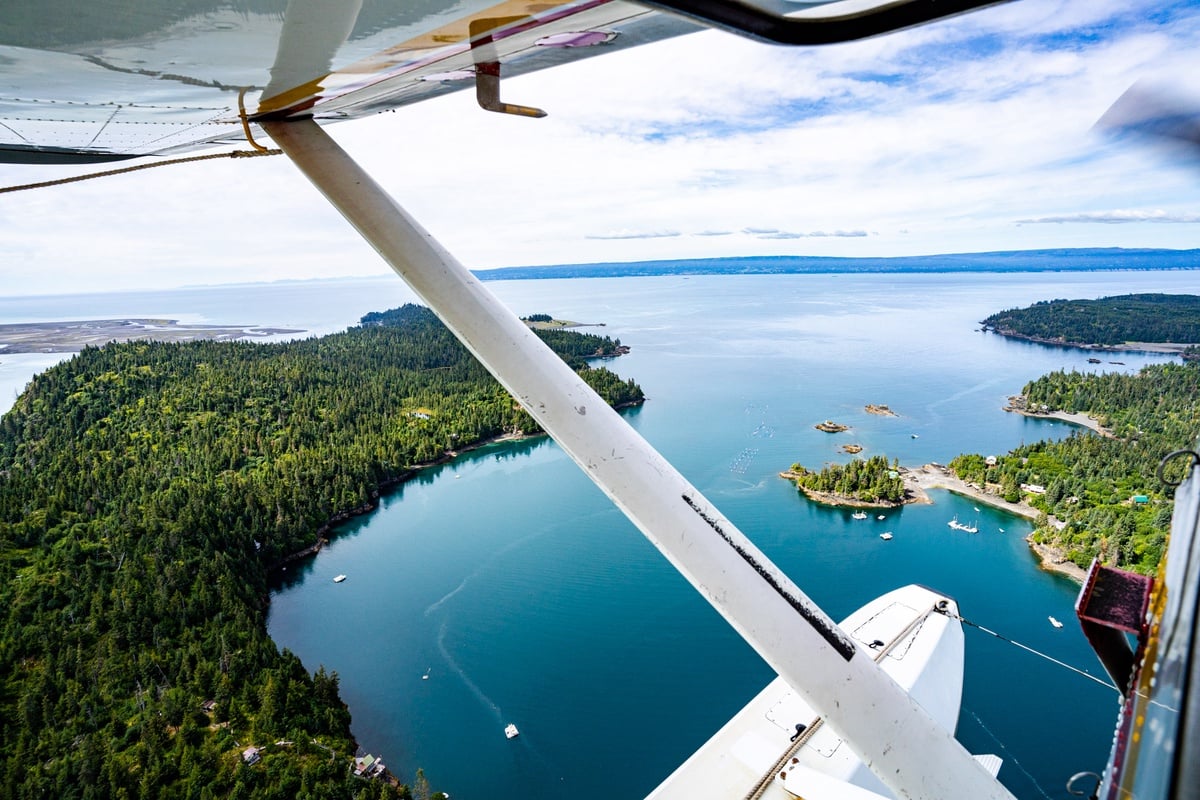
Kachemak Bay, on the southern edge of the Kenai Peninsula, is one of the places where this transition is most tangible. Ringed by mountains and glaciers and accessible primarily by water, the bay becomes a corridor of activity as daylight returns. Otters raft in the coves. Bald eagles patrol the skies. Fishing boats, kayaks, and small skiffs trace familiar routes across the water.
It’s also where small, remote experiences like Stillpoint Lodge, located in Halibut Cove, shift from winter stillness to summer flow, mirroring the larger seasonal rhythm of coastal Alaska.
Summer as Movement
Unlike peak-season tourism narratives that emphasize checklists or iconic sights, Alaska’s summer is defined by movement and immersion. Wildlife activity intensifies. Weather windows open. Access expands.
On the water, sea kayaking and small-boat travel allow for quiet encounters with marine life—harbor seals hauled out on rocks, loons cutting across glassy bays, and, with patience and luck, whales surfacing along feeding routes. Glacier-fed lakes and coves, newly accessible after winter ice recedes, offer a sense of scale that’s difficult to convey until experienced firsthand.
On land, guided hiking reveals alpine meadows, coastal forests, and wildflower-lined ridges that exist only briefly each year. Tide cycles expose intertidal worlds full of sea stars, anemones, and crabs that underscore how tightly life here is linked to natural timing.
At places like Stillpoint Lodge, these experiences are less about structured itineraries and more about responding to conditions: tides, weather, wildlife behavior, and guest curiosity. Each day unfolds differently, shaped by what the environment offers rather than by rigid schedules.
The Return of People, Too
The return of light doesn’t just activate ecosystems, it draws people back into shared space. Summer is when Alaskans reconnect after winter isolation, and when visitors arrive seeking both adventure and perspective.
Lodges across the state report that guests are increasingly motivated by immersion rather than intensity. They want time—time to paddle slowly, to watch bears fish from a respectful distance, to sit on a deck in the lingering evening light without needing to fill the moment.
This shift aligns with broader trends in adventure travel toward experiential depth, wellness, and reconnection. In Alaska, those concepts aren’t layered on, they’re inherent. Long daylight hours naturally invite unrushed days. Physical activity blends seamlessly with stillness. The environment sets the tone.
Stillpoint, for example, integrates wellness elements such as yoga, meditation, and post-adventure recovery not as add-ons, but as natural counterpoints to full days outdoors. Evenings tend to center on shared meals, quiet conversation, and the kind of silence that only true remoteness provides.
A Family-Friendly Window
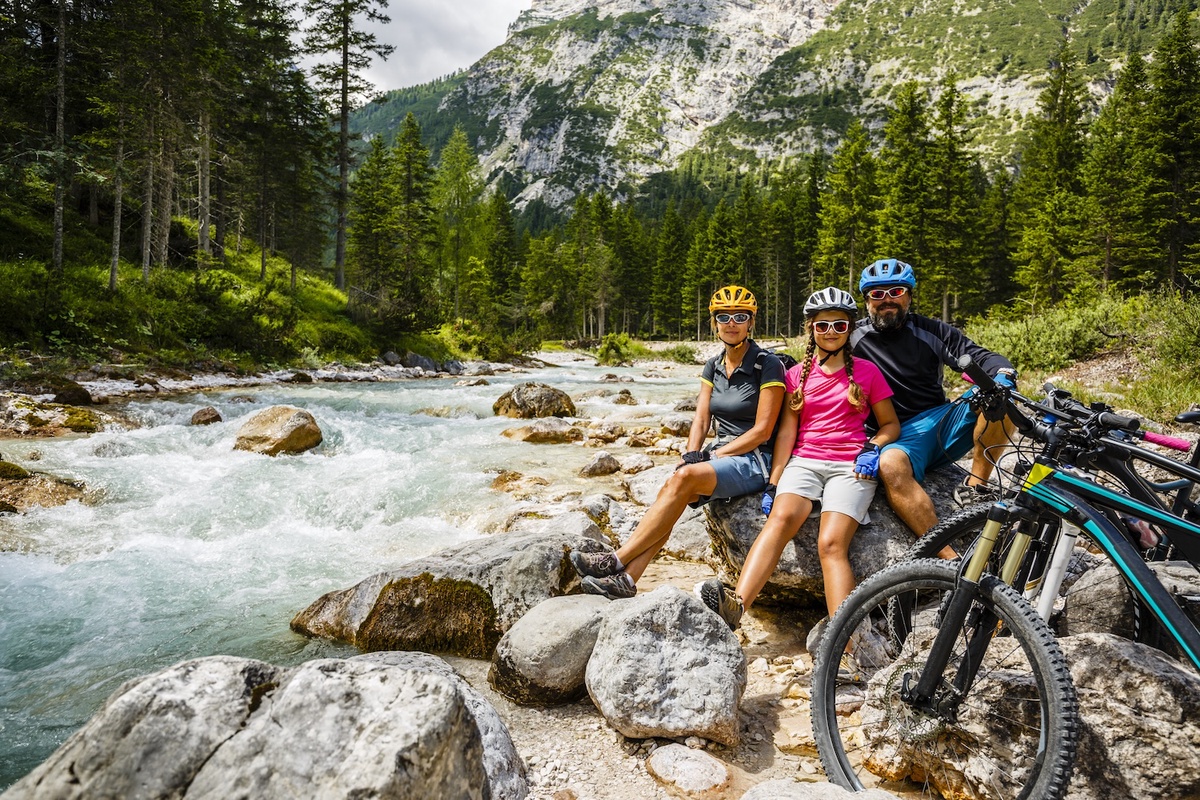
Summer’s accessibility also opens Alaska to multi-generational travel in ways winter does not. Longer days, calmer conditions, and abundant wildlife create opportunities for families, particularly those with older children, to engage deeply with the natural world.
Structured, guide-led activities help younger travelers stay engaged and safe, while allowing parents space to rest or reflect. Tidepool exploration, short hikes, and wildlife observation become informal classrooms, fostering curiosity and respect for fragile ecosystems.
For the industry, this presents an opportunity to frame Alaska not just as a destination for seasoned adventurers, but as a place for shared discovery, where learning, play, and presence intersect.
Light as Legacy
What stays with most travelers isn’t a single activity, but the feeling of summer light itself: evenings that seem to last forever, the soft gold glow on water and mountains, the sense that nature is not something to rush through but something to meet on its own terms.
In a time when many destinations are grappling with overtourism and compression, Alaska’s seasonal extremes offer a different model, one that values patience, timing, and respect. The return of the light is a reminder that travel doesn’t always need to be louder or faster to be meaningful.
For those who arrive during this brief, luminous window, summer in Alaska becomes less about what was done and more about how the days felt: expansive, immersive, and quietly unforgettable.