
A new Active Tourism Coalition, spearheaded by the European Cyclists’ Federation (ECF) and uniting 15 civil society and industry organisations — including the Adventure Travel Trade Association (ATTA) — has officially launched in Brussels, calling on European institutions to embed active tourism at the core of the region’s sustainable tourism future.
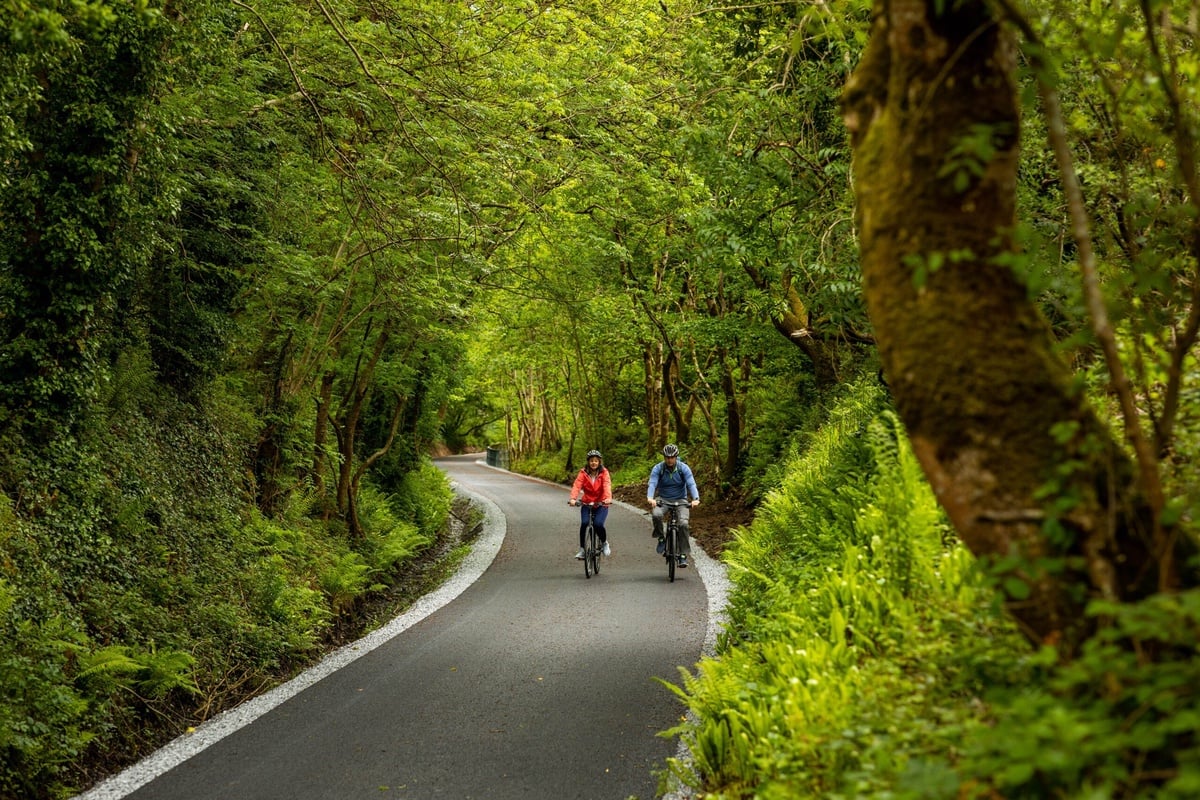
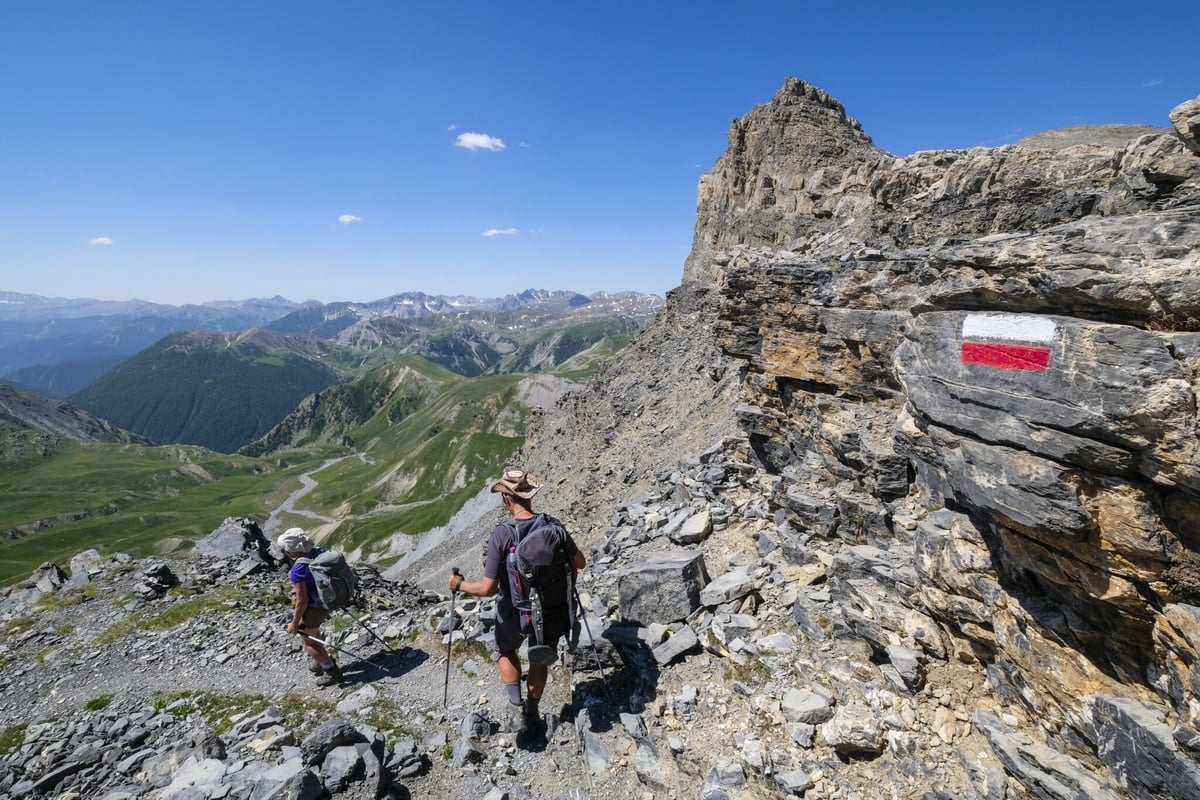
Active tourism, defined as travel centred on accessible physical activity such as cycling, walking and hiking, offers a pathway to greener, community-oriented and resilient tourism development. Advocates argue it delivers low environmental impact, strong social value and deeper engagement with local cultures and landscapes at a “human scale.”
A Strategic Moment for Europe
The coalition’s launch comes as the European Commission prepares its European Sustainable Tourism Strategy, expected in Spring 2026. Coalition members describe this as a critical opportunity to reposition active tourism as a strategic pillar across sustainable economic growth, balanced destination stewardship and a strengthened Brand Europe.
According to ECF, cycling tourism alone generated an estimated €44 billion annually in Europe as early as 2012, and the broader global adventure travel sector now represents a trillion-dollar market. Despite this scale, coalition leaders emphasize that active tourism remains under-represented in European policy frameworks.
Laurianne Krid, CEO of ECF, said:
“Active tourism should be the cornerstone of the European Sustainable Tourism Strategy. By encouraging tourists to move through regions by bike or on foot, it supports healthier lifestyles, low-carbon travel, and stronger local economies. It can also boost European competitiveness with strong products and brands such as EuroVelo.”
Policy Priorities for Active Tourism
The Active Tourism Coalition has issued four core policy recommendations aimed at ensuring active travel’s full integration into European tourism planning:
Recognition & Integration: Formally acknowledge active tourism as a cornerstone of sustainable tourism, integrate cycling, walking and hiking into destination mobility strategies, multimodal transport planning and “last-mile” solutions with robust impact monitoring.
Brand Europe Leadership: Showcase Europe’s natural and cultural heritage through its extensive route networks like EuroVelo, greenways and long-distance footpaths, backed by high-quality open data and recognised certification schemes.
Integrated Governance: Foster cross-sector collaboration among local communities, destination management organisations, NGOs, transport providers and outdoor sport bodies to ensure tourism development benefits residents while protecting landscapes.
Targeted Investment: Prioritize active tourism within the forthcoming EU Multiannual Financial Framework (2028–2034), including dedicated infrastructure for cycle and hiking routes and cross-border offers.
Active Tourism as a Tool for Balanced Tourism
Coalition advocates highlight that active tourism can help address unbalanced tourism flows — easing pressure on overtouristed urban hotspots while generating socioeconomic benefits in rural and lesser-known areas. By encouraging slower, movement-based exploration, active tourism is presented as both a resilience tool and a bridge to local economies.
ATTA’s Role and Broader Implications
The participation of ATTA within the coalition underscores the alignment between adventure and active travel sectors on sustainable tourism objectives. As leaders in responsible travel advocacy, ATTA’s involvement signals a shared industry commitment to policy frameworks that support climate-aware travel growth, local empowerment and regenerative outcomes, principles closely aligned with global sustainable tourism agendas.
With the European Sustainable Tourism Strategy expected soon, coalition members are positioning active tourism not just as a niche travel segment but as a strategic solution to some of tourism’s most pressing challenges - climate pressures, overtourism, regional inequalities and community resilience.